

Ha Giang Loop Itinerary: 6 Days from Hanoi — Dong Van, Ma Pi Leng & the Nho Que River
Vietnam's greatest road trip.
Six days door-to-door from Hanoi: a Train Street evening and Hoa Lo in the capital, the bus up to Ha Giang city, then the classic four-day loop over the Dong Van karst plateau — Quan Ba, Tham Ma, Pho Bang, Lung Cu, the Vuong Palace, Dong Van, Ma Pi Leng, the Nho Que and Du Gia — before the night bus home.
Best time: September–November and March–May are the sweet spots; pink buckwheat flowers colour the plateau around October–November, winter (roughly December–February) is cold and foggy on the passes, and the summer rains bring landslide risk.
- Fly into Hanoi (HAN); limousine vans and sleeper buses link Hanoi's My Dinh station with Ha Giang city in roughly 6–7 hours.
- The loop itself is typically ridden over 3–4 days with an easy-rider crew, where you ride pillion behind a local driver, or on a rented motorbike if you hold a licence valid in Vietnam.
- Foreigners need a border-area permit, normally arranged by the operator or your hotel in Ha Giang city.
- The loop is a genuine mountain road with blind hairpins, cliff-edge sections, rockfall and livestock.
- Ride pillion with an experienced easy-rider unless you hold a licence valid in Vietnam and real mountain-riding experience, always wear the helmet provided, keep speeds low, and never ride the passes in darkness, heavy rain or thick fog.
Where to Stay
Move from Hanoi to Ha Giang city, Dong Van and Du Gia as the route unfolds
Where to Stay
Move from Hanoi to Ha Giang city, Dong Van and Du Gia as the route unfolds
Hanoi Old Quarter or French Quarter
Stay centrally for night 1 before the bus north.
Ha Giang city
Stay near the bus drop for night 2 and meet your loop crew.
Dong Van town
Use the natural loop midpoint for nights 3–4.
Du Gia village homestay
Spend night 5 in the valley village.
Sleeper bus back to Hanoi
Travel overnight on night 6, so no hotel is needed.
Official links & permits
Confirm current entry, permit and geopark information before travel
Official links & permits
Confirm current entry, permit and geopark information before travel
Official Vietnam and Dong Van planning links
Use these official sources for current national and geopark guidance.
Budget Snapshot
Getting Around
6-Day Itinerary Breakdown
Day 1: Arrive in Hanoi & a Train Street evening
Land at Noi Bai International (HAN), transfer into central Hanoi and keep the first evening easy before the long ride north.

Arrive in Hanoi & settle into the Old Quarter
Land at Noi Bai International (HAN) and transfer into central Hanoi; keep the first evening easy before the long ride north.
Hanoi Train Street
Cafés squeeze along a working railway line here; enter via an open café and order a drink, and follow the owners' instructions when a train is due — guided group tours are banned and access is sometimes restricted, so check locally.
Day 2: Hoa Lo Prison & the road north to Ha Giang
Visit Hoa Lo in the morning, then travel from Hanoi to Ha Giang city and prepare for the loop.

The Hoa Lo Prison Relic
Visit the ticketed memorial museum in the former colonial "Maison Centrale" prison for a sobering, well-curated morning before leaving the capital.
Bus from Hanoi to Ha Giang city
Limousine vans and sleeper buses run through the day and evening from Hanoi's My Dinh station; the ride to Ha Giang city takes roughly 6–7 hours — book a reputable operator ahead.
Ha Giang city: meet your crew & sort the border permit
Meet your easy-rider operator or homestay, and have them arrange the border-area permit foreigners need for the Dong Van plateau districts; carry your passport.
Day 3: Loop day 1 — Quan Ba, the Tham Ma Pass & Pho Bang to Dong Van
Set out from Ha Giang city through Quan Ba, the Tham Ma Pass and Pho Bang, then continue to Dong Van for the night.
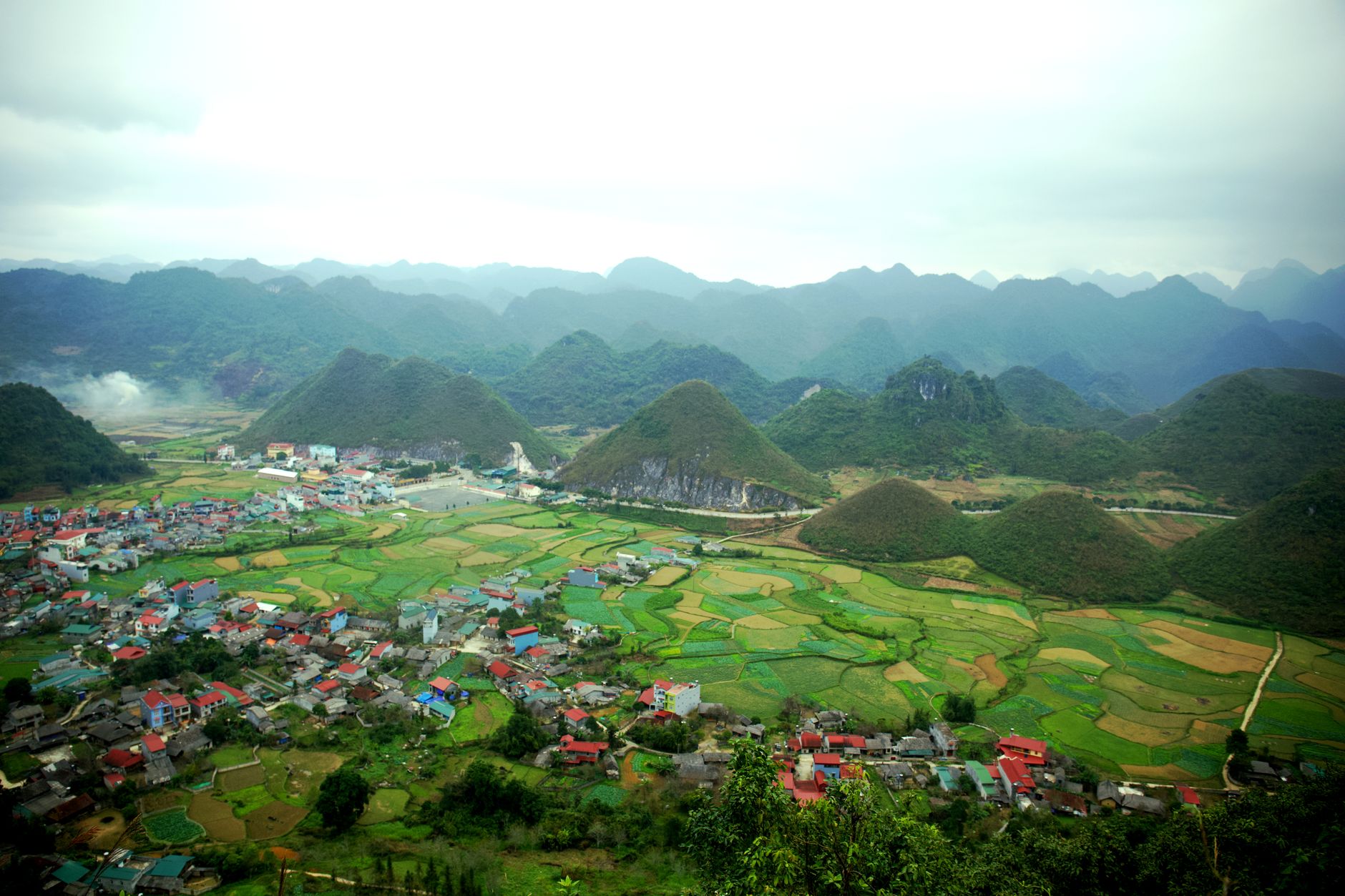
Set off on the loop: Quan Ba Heaven Gate & the Twin Mountains
The multi-day guided easy-rider loop is the classic, safest way to ride Ha Giang — you sit pillion behind a local driver; the first climb tops out at the Quan Ba Heaven Gate viewpoint over Tam Son town and its rounded Twin Mountains.

The Tham Ma Pass switchbacks
Stop free above the famous stacked hairpins on the road to Dong Van. Local H'Mong children often gather at the viewpoint — be thoughtful about photos and gifts.
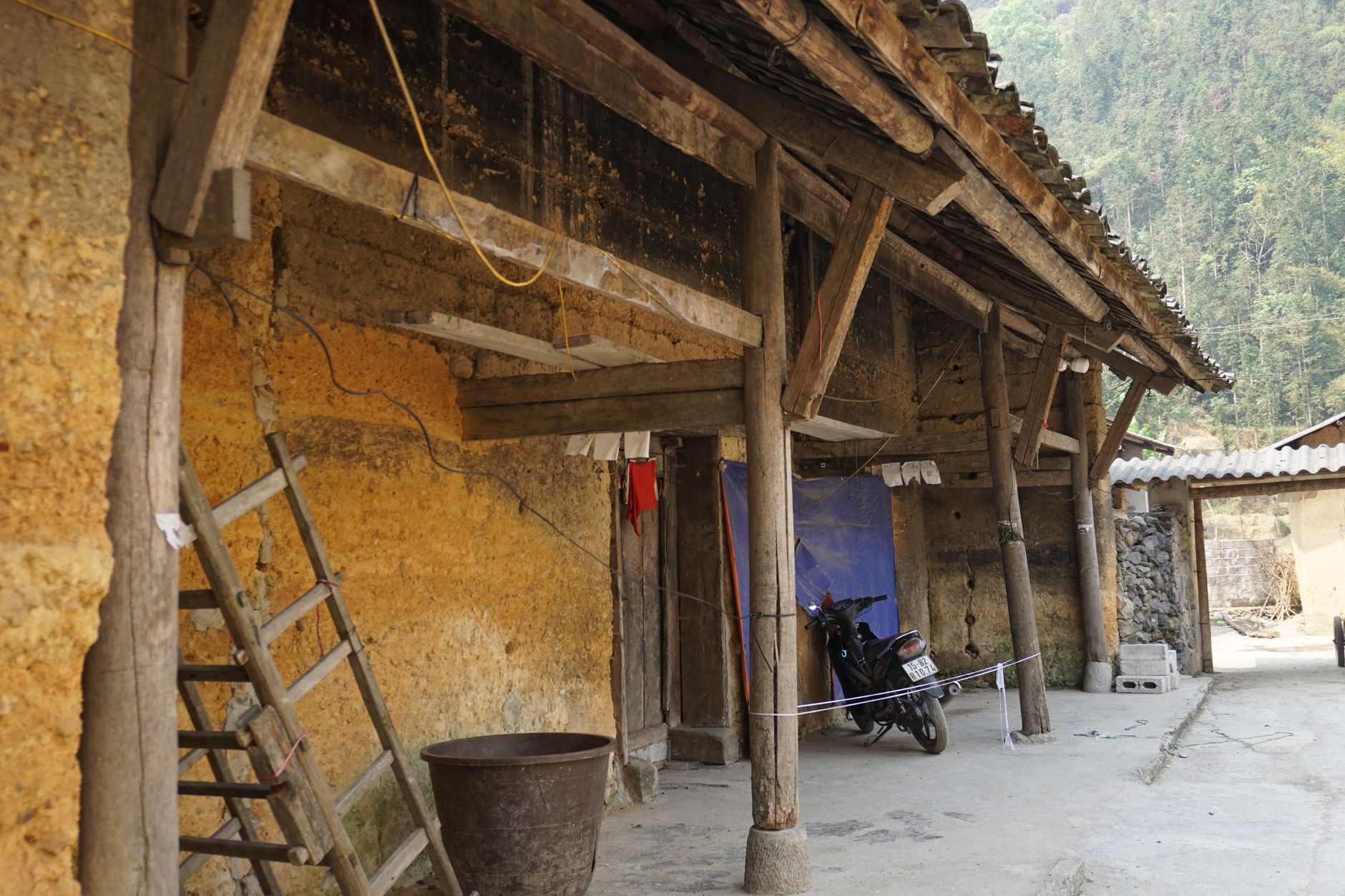
A Pho Bang detour, then into Dong Van
Visit a quiet, near-border village of earthen-walled, tile-roofed houses on a short detour off the main road, then continue over the plateau to Dong Van for the night.
Day 4: Lung Cu Flag Tower, the Vuong Palace & Dong Van's old quarter
Ride north to Lung Cu, return through Sa Phin and finish with Dong Van's old quarter.

The Lung Cu Flag Tower
Ride north from Dong Van to this ticketed flag tower on a hill at Vietnam's northern tip, then climb the steps to the platform beneath the giant national flag for views across the border valleys.

The Vuong Family (H'Mong King) Palace
Explore the ticketed, atmospheric fortified mansion at Sa Phin, built for the H'Mong Vuong family in the early 20th century and ringed by stone walls and pine trees.

Dong Van old quarter & market
Wander free among the old stone-and-timber houses and the old-town market gate beneath the karst; if your dates line up, the Sunday market fills the town with traders from the surrounding villages.
Day 5: The Ma Pi Leng Pass & a Nho Que River boat, then Du Gia
Cross the Ma Pi Leng Pass, descend for the Nho Que River and continue through Meo Vac to Du Gia.

The Ma Pi Leng Pass
Ride the loop's headline stretch — the "Happiness Road" carved along cliffs high above the Nho Que. The roadside viewpoints and short skywalk path are free; take the exposed sections slowly.
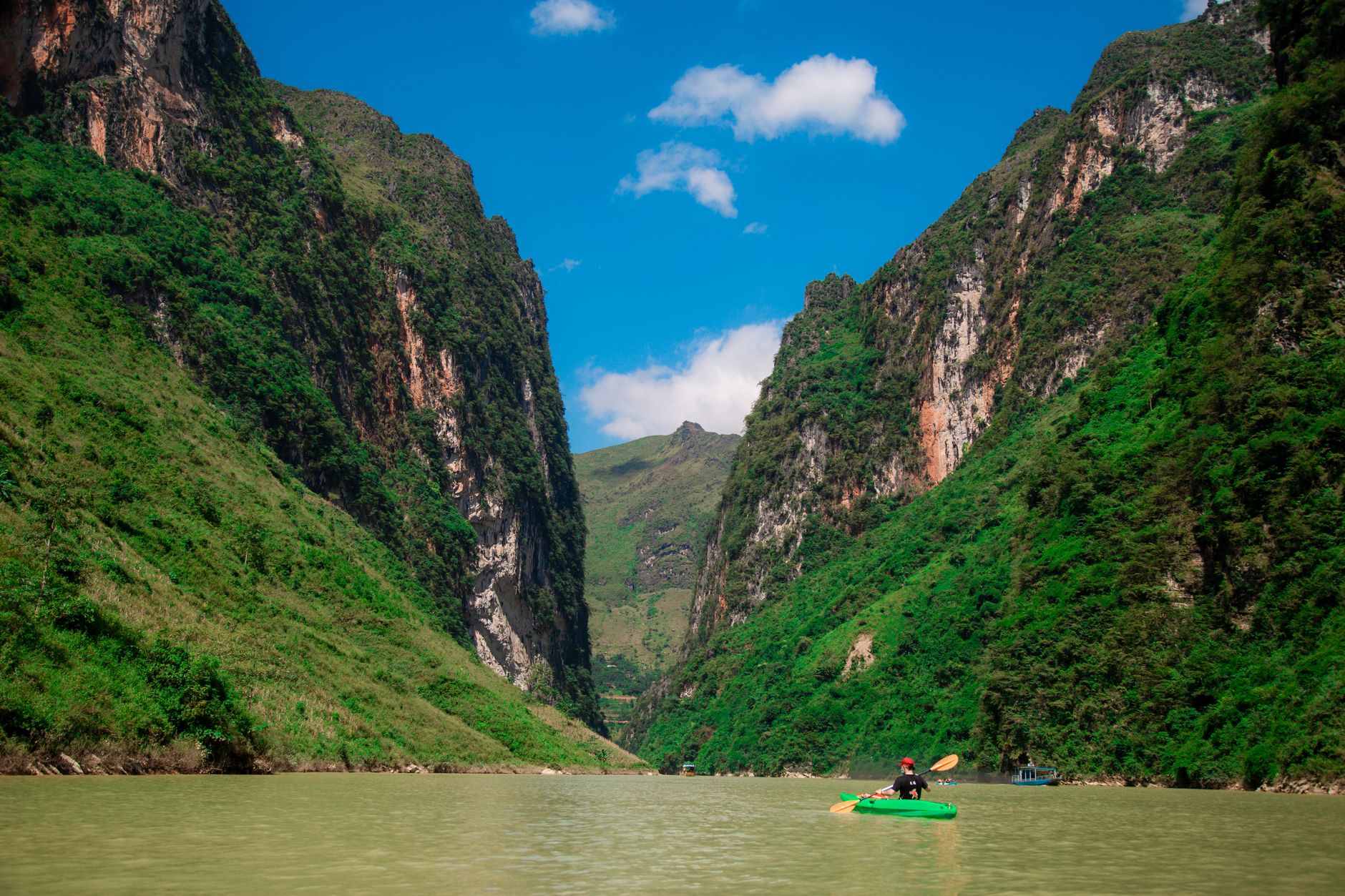
A Nho Que River boat through the Tu San canyon
Take a boat trip on the jade-green river between the sheer walls of Tu San, Southeast Asia's deepest canyon. The river is reached by a steep side road below the pass — confirm times and the current pier with local operators.
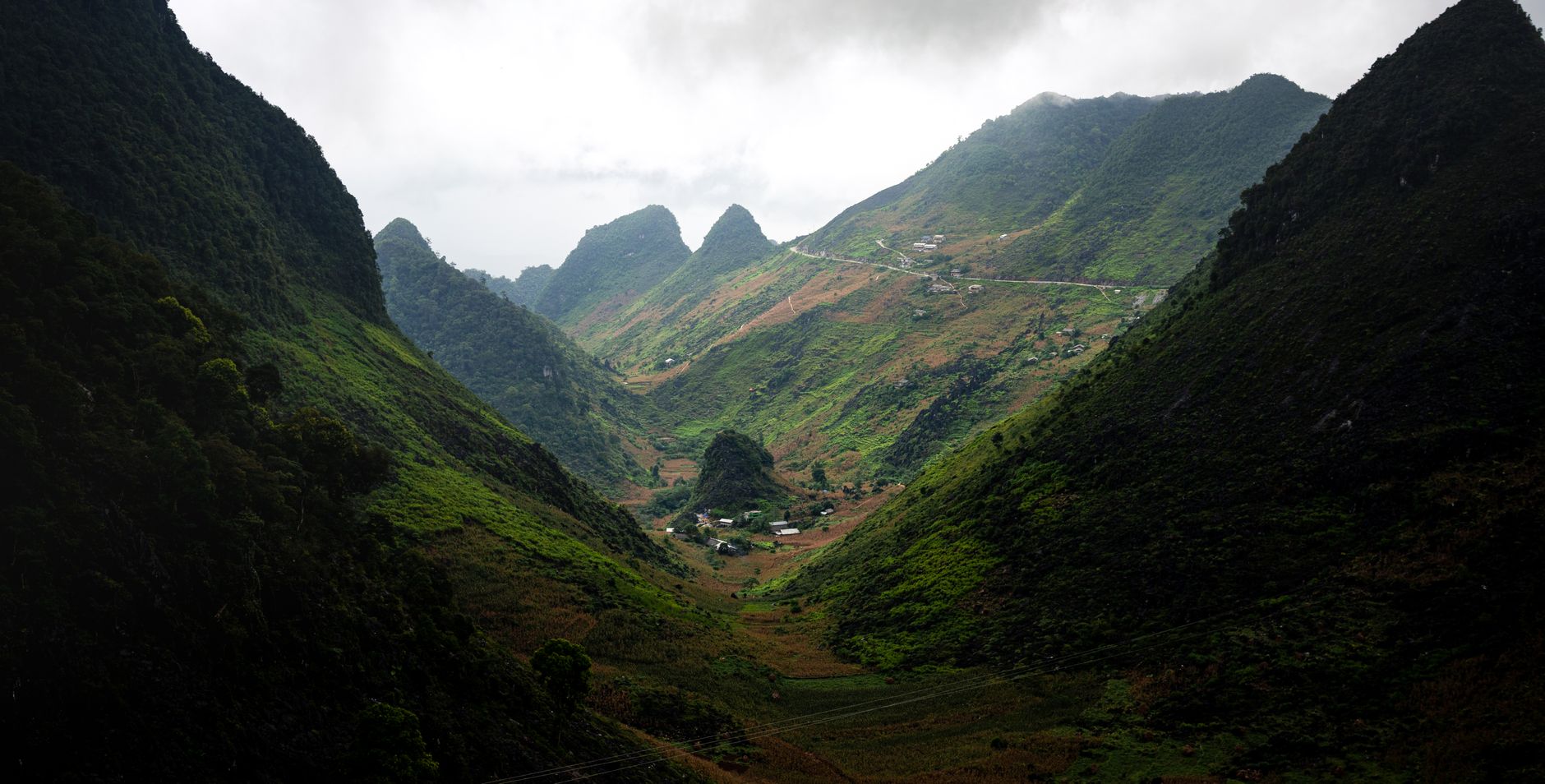
Over to Meo Vac & the back road to Du Gia
Drop into the market town of Meo Vac, then take the quieter southern back road through karst valleys and villages to Du Gia for a homestay night.
Day 6: A Du Gia morning, the ride back & the night bus to Hanoi
Spend a slow morning in Du Gia, close the loop in Ha Giang city and take the night bus to Hanoi.
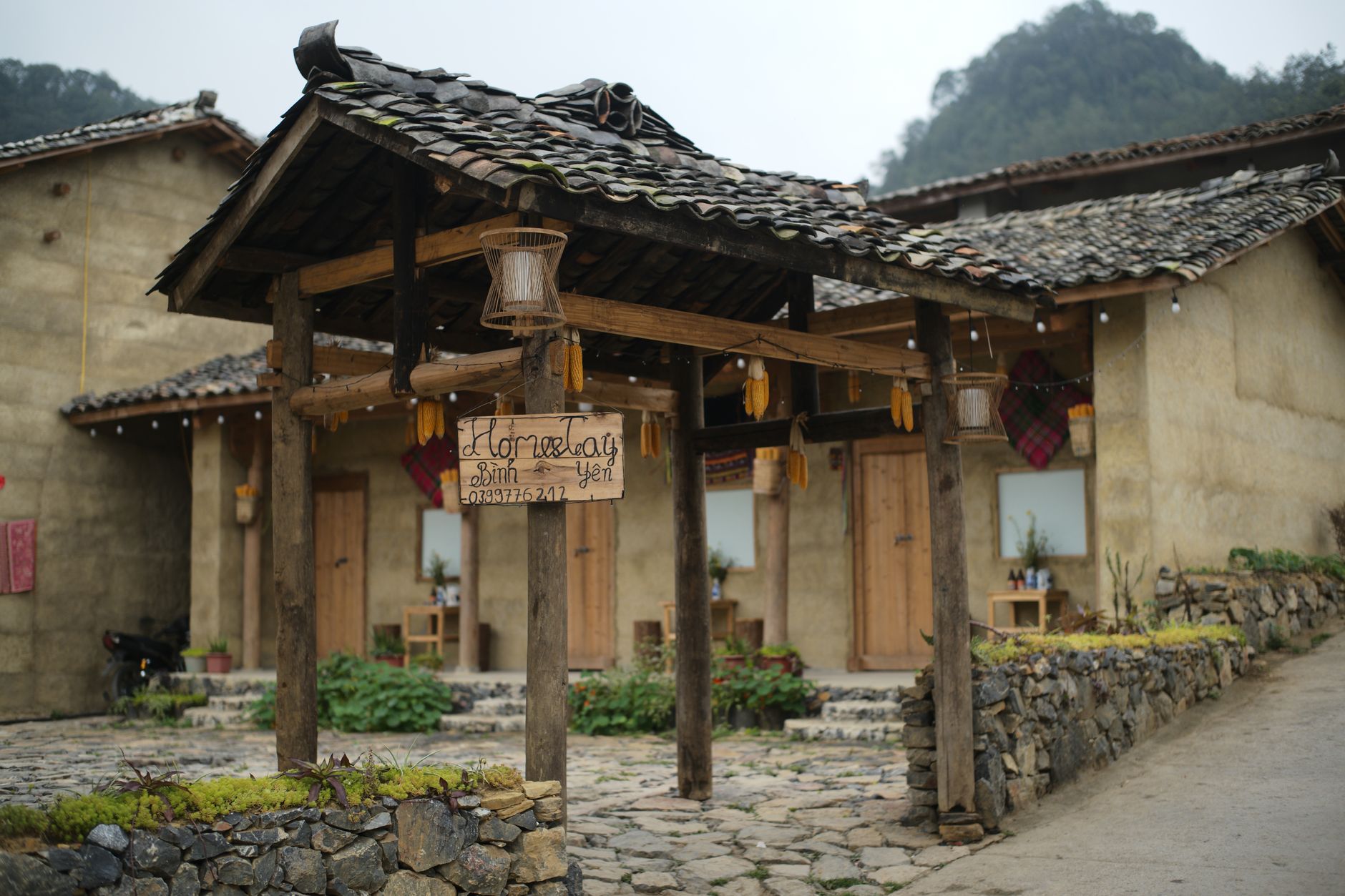
A slow village morning in Du Gia
Du Gia is the loop's quiet exhale — a valley village of homestays and rice fields. In the warm months locals can point you to the nearby waterfall swimming hole before you saddle up.
Ride back to Ha Giang city
The final leg winds out of the Du Gia valley and back to Ha Giang city by late afternoon, closing the loop; return your gear and collect luggage.
Night sleeper bus to Hanoi
Sleeper buses leave Ha Giang in the evening and reach Hanoi around dawn — book onward flights from midday onward to leave a safe buffer.
Hanoi to the Ha Giang Loop and back
Six day-master anchors trace the journey from Hanoi's Train Street and Hoa Lo to Quan Ba, Lung Cu, Ma Pi Leng and Du Gia.
- 1
Hanoi — Train Street
Arrival and a lantern-lit railway evening
- 2
Hanoi — Hoa Lo, then the bus north
The prison relic before transferring to Ha Giang city
- 3
Quan Ba Heaven Gate & Twin Mountains
The first climb onto the Dong Van karst plateau
- 4
Lung Cu Flag Tower
The northern border viewpoint
- 5
Ma Pi Leng Pass
The Happiness Road above the Nho Que River
- 6
Du Gia village
A village homestay before closing the loop
Frequently Asked Questions
How many days do you need for the Ha Giang loop?
The loop itself is typically ridden in 3–4 days. This plan uses four days on the road bracketed by a Hanoi arrival day and the bus legs, which is comfortable without rushing the passes.
Do I need a permit for the Ha Giang loop?
Yes. The Dong Van plateau districts are a border zone and foreigners need a border-area permit alongside their passport; tour operators, homestays and the immigration office in Ha Giang city arrange it locally.
Can I ride the loop myself, or should I take an easy rider?
Most visitors ride pillion with a local easy-rider crew, which is the safest choice and lets you watch the scenery. Self-riding is realistic only with a motorbike licence valid in Vietnam and genuine mountain experience — police checks do happen.
How do I get from Hanoi to Ha Giang?
Limousine vans and sleeper buses run from Hanoi's My Dinh station to Ha Giang city in roughly 6–7 hours, with day and overnight departures; there is no airport or railway in Ha Giang.
When is the best time to ride the Ha Giang loop?
September–November and March–May are the sweet spots; buckwheat flowers colour the plateau around October–November, December–February is cold and foggy on the passes, and the summer months bring heavy rain and landslide risk.
Is the Ha Giang loop dangerous?
It is a real mountain road with hairpins, cliff edges and changeable weather. It is very doable with an experienced driver, daylight-only riding, a helmet and sensible speeds — respect fog and rain rather than pushing through.
Is the Nho Que River boat trip worth it?
Yes. The boat runs the jade-green river between the sheer walls of the Tu San canyon directly below the Ma Pi Leng Pass; it is reached by a steep side road, so confirm the current pier and times with local operators.
Where does the loop start and finish?
The circuit starts and ends in Ha Giang city. This plan runs it clockwise via Quan Ba, Yen Minh, Dong Van and Meo Vac, returning through Du Gia, then takes the night bus back to Hanoi.
Are there ATMs and phone signal on the loop?
Both are limited outside Ha Giang city and the district towns. Carry enough cash for homestays, fuel, entry fees and the boat, and download offline maps before setting off.
Make this plan your own
Copy this plan into your account in one click — keep the original for reference and edit your copy any way you like.
Sign in once to save and edit your own copy.