
South Korea Itinerary: Seoul, the DMZ, Busan & Gyeongju in 8 Days
Two Koreas of a different kind: capital and coast.
In eight days this route pairs Seoul — palaces, hanok lanes, markets and a sobering guided day at the DMZ — with the KTX south to Busan for beaches, a seaside temple, the hillside art village of Gamcheon and a day trip to the Silla capital of Gyeongju.
Best time: April–June and September–November for mild, clear weather; late June–July is the jangma monsoon and August is hot, humid and occasionally brushed by typhoons on the south coast.
- Fly into Incheon (ICN) and take the AREX into Seoul.
- A T-money transit card covers subways and buses in both cities.
- The KTX links Seoul and Busan in about 2h40; reserve through Korail.
- Fly home from Gimhae (PUS) or take the KTX back toward Incheon.
- Use Naver Map or Kakao Map because Google Maps navigation is limited in Korea.
- Spring and autumn are the sweet spots; the late-June–July jangma monsoon brings heavy rain.
- August is hot and humid, and late-summer typhoons occasionally hit the south coast around Busan — check forecasts before beach and coastal-train days.
- Winters are cold and dry.
Where to Stay
Use one Seoul base for nights 1–4 and one Busan base for nights 5–7
Where to Stay
Use one Seoul base for nights 1–4 and one Busan base for nights 5–7
Seoul — Myeongdong or Jongno/Insadong
Stay here for sights on foot during nights 1–4; choose Hongdae instead for nightlife.
Busan — Haeundae
Stay near the beach for nights 5–7.
Busan — Nampo or Seomyeon
Choose these areas instead for markets and transit during nights 5–7.
Official links & tickets
Use the official portals for current entry rules, tickets, schedules and transport
Official links & tickets
Use the official portals for current entry rules, tickets, schedules and transport
Official South Korea planning links
Confirm current requirements and availability before booking.
Budget Snapshot
Getting Around
8-Day Itinerary Breakdown
Day 1: Arrive in Seoul & Myeongdong street food
Land at Incheon, take the AREX into Seoul and settle in before a free evening wander through Myeongdong.
Arrive in Seoul & pick up a T-money card
Land at Incheon (ICN) and ride the AREX express or all-stop train into the city; buy and top up a T-money card at any convenience store — it works on the subway, buses and most taxis in Seoul and Busan alike.
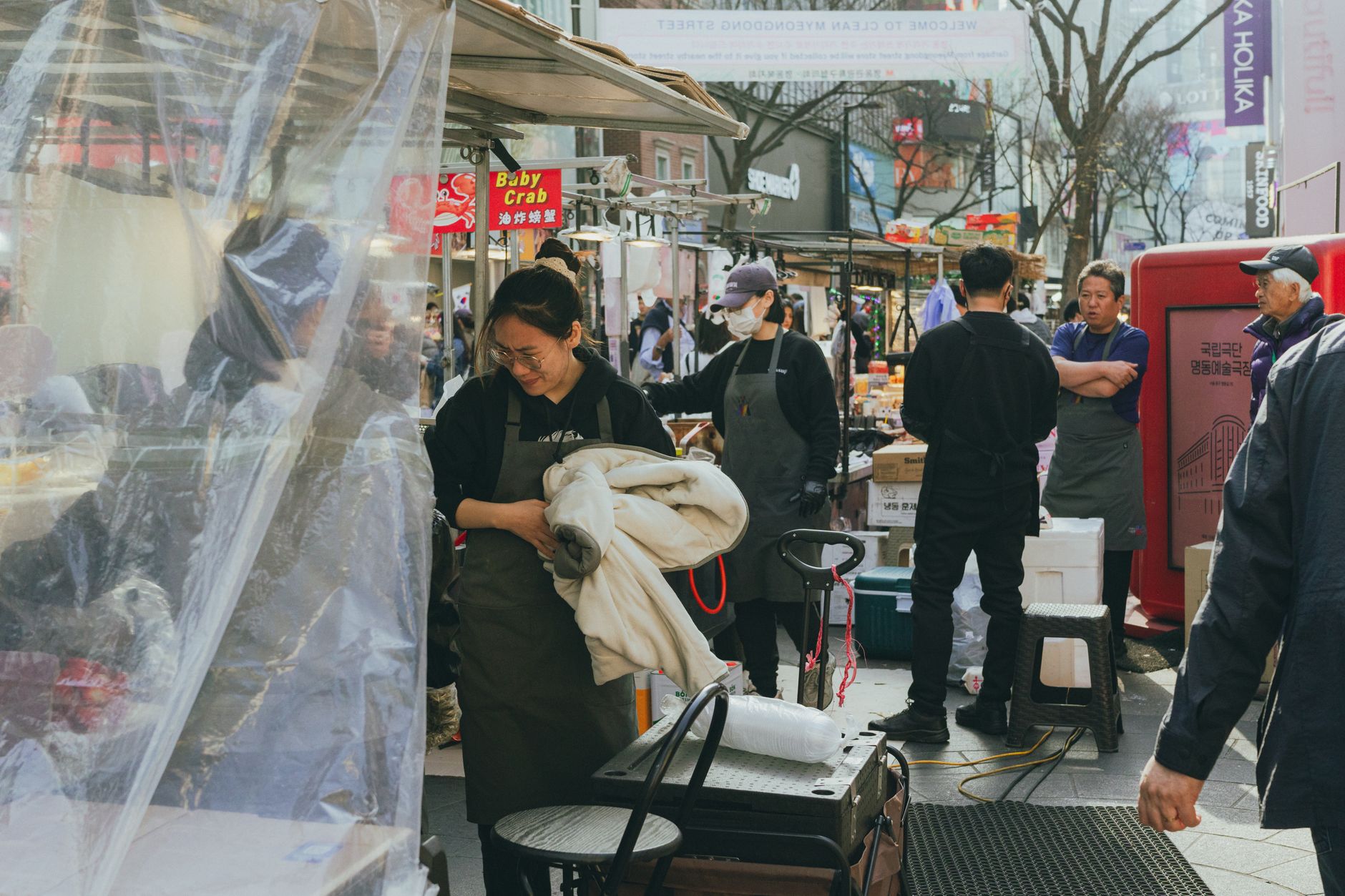
Myeongdong street-food alleys
Take a free evening wander through Myeongdong's pedestrian streets, where stalls set up from late afternoon selling tteokbokki, hotteok and grilled skewers between the cosmetics shops.
Day 2: Royal Seoul — Gyeongbokgung, Bukchon & Insadong
Keep this palace day away from Tuesday, when Gyeongbokgung closes, and respect posted visiting hours in residential Bukchon.

Gyeongbokgung Palace
Visit the largest of Seoul's Joseon-dynasty palaces, with the Geunjeongjeon throne hall and Gyeonghoeru pavilion. It is closed Tuesdays; visitors wearing hanbok enter free, and the royal guard-changing ceremony runs on a published schedule — check the official palace site.
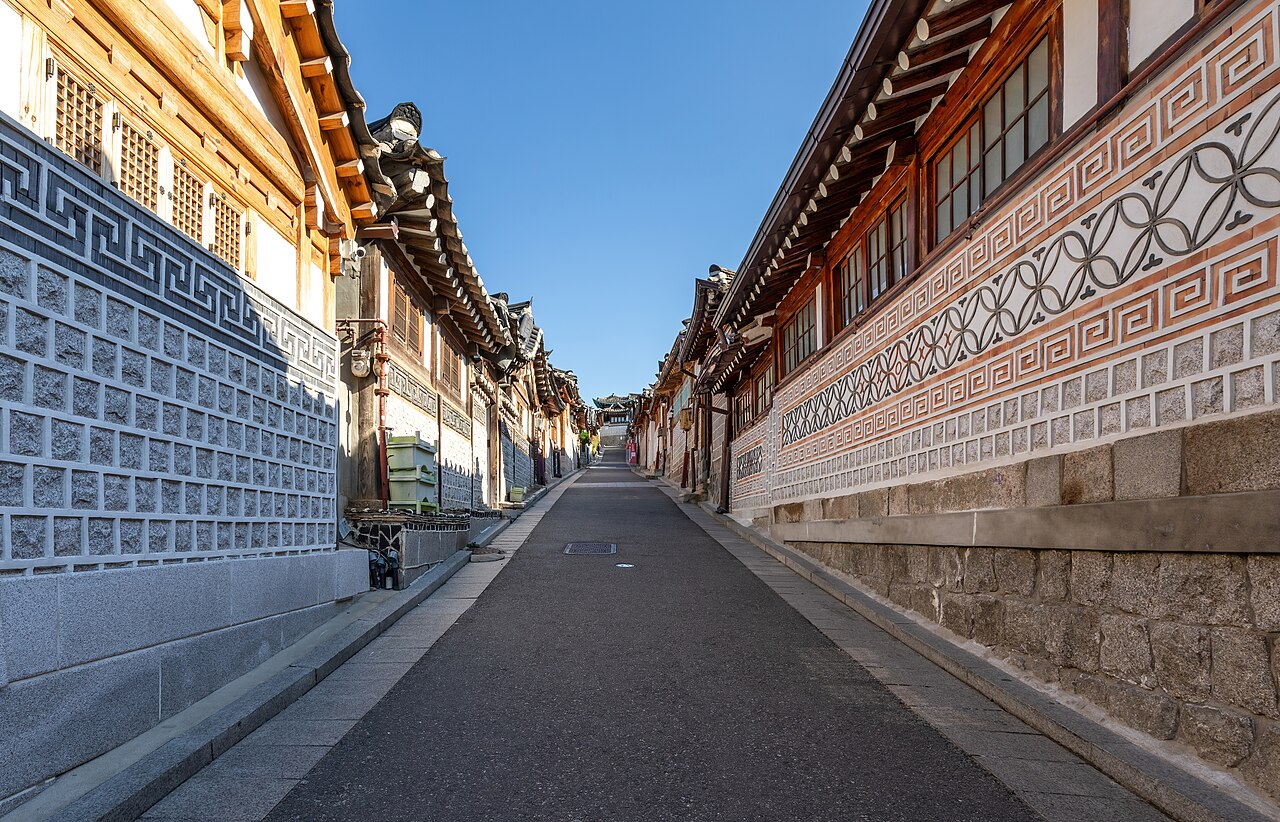
Bukchon Hanok Village
Walk free through lanes of traditional hanok houses between Gyeongbokgung and Changdeokgung. This is a lived-in residential neighbourhood with posted visiting hours in the most-photographed lanes, so keep voices down, stay out of doorways and skip the evening.

Insadong-gil: tea houses & craft shops
Stroll free down Insadong's pedestrian-friendly main street of calligraphy-brush shops, galleries, hanji-paper stores and traditional tea houses, downhill from Bukchon.
Day 3: The DMZ & Gwangjang Market
Bring your passport for the licensed DMZ tour, then return to Seoul for a guided or independent market evening.

DMZ tour: Imjingak, the Third Tunnel & Dora Observatory
The Demilitarized Zone can only be visited on a licensed guided tour — bring your passport, book ahead, and note most sites are closed Mondays. Standard half- and full-day tours take in Imjingak Park, the Third Infiltration Tunnel and the Dora Observatory looking into North Korea. JSA/Panmunjom visits have been suspended for long stretches since 2023, so check current status rather than expecting it as an includable stop.

Gwangjang Market food alleys
The century-old covered market is free to wander, but guided evening street-food tours here genuinely sell — graze on bindaetteok mung-bean pancakes, mayak gimbap and live-octopus stalls with a guide who orders for you.
Day 4: Museums, Namsan & a Hongdae evening
Spend the day between Yongsan and Namsan, then finish with a text-only evening wander in Hongdae.


National Museum of Korea
Visit Korea's flagship museum in Yongsan. The permanent collection, from Silla gold crowns to the Pensive Bodhisattva, is free; it is closed January 1 and the main Seollal and Chuseok holidays — check the official site.
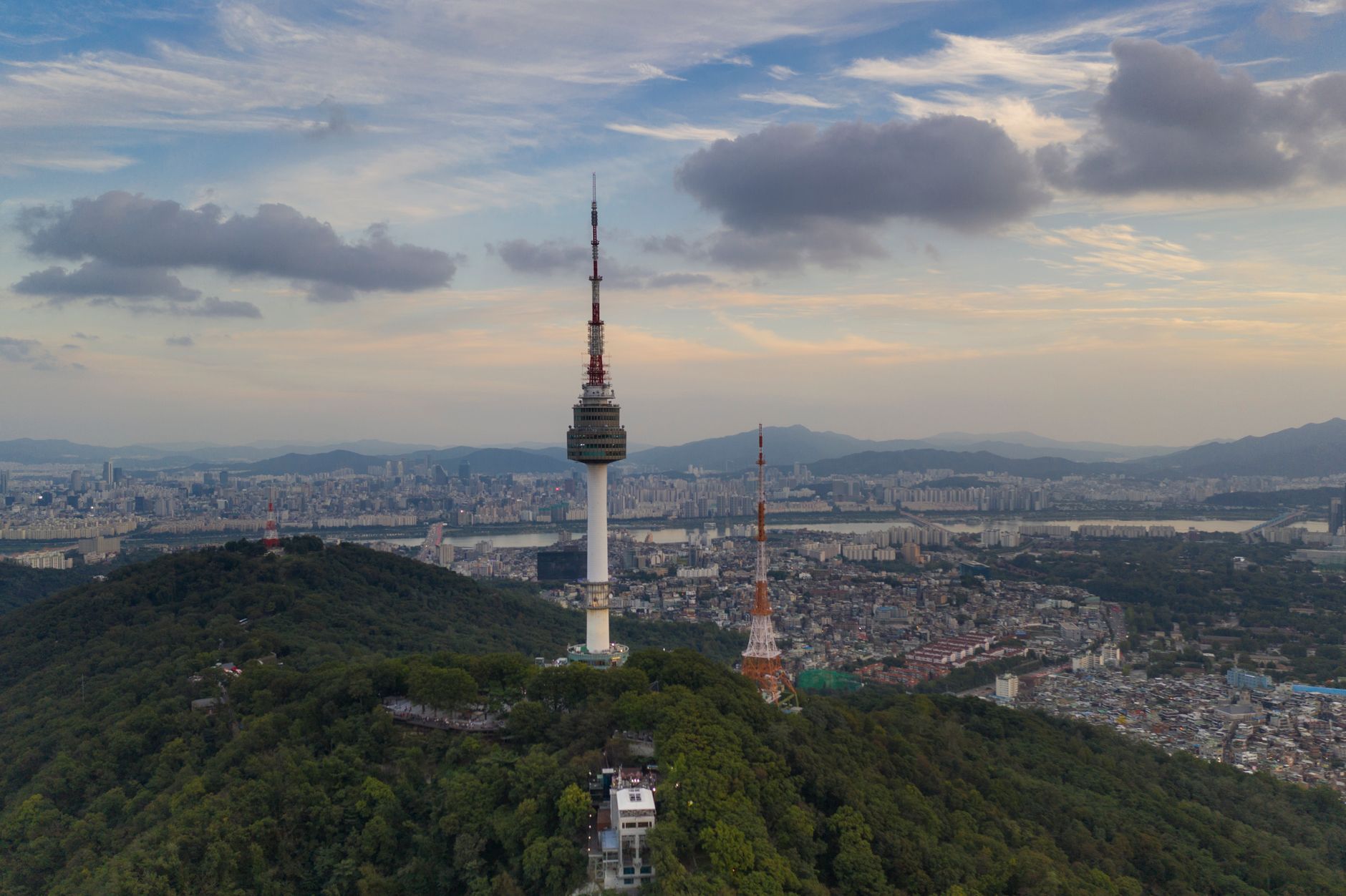
N Seoul Tower on Namsan
Ride the Namsan cable car or walk up through the park, then take the ticketed observatory lift for the classic 360° view over Seoul. The terraces around the base and the fortress-wall path down are free.
An evening in Hongdae
Finish in the student quarter around Hongik University — free street performances and buskers, indie shops, cheap eats and Seoul's liveliest nightlife; no booking needed, just wander.
Day 5: KTX to Busan, Haeundae Beach & the Blueline
Reserve the Seoul–Busan KTX through Korail, then use the Busan metro and your T-money card at the coast.
Ride the KTX to Busan
The KTX covers Seoul–Busan in about 2h40 on most services, with the fastest runs closer to 2h15; reserve seats through Korail — the day-level train booking covers this leg. Your T-money card works on the Busan metro too.
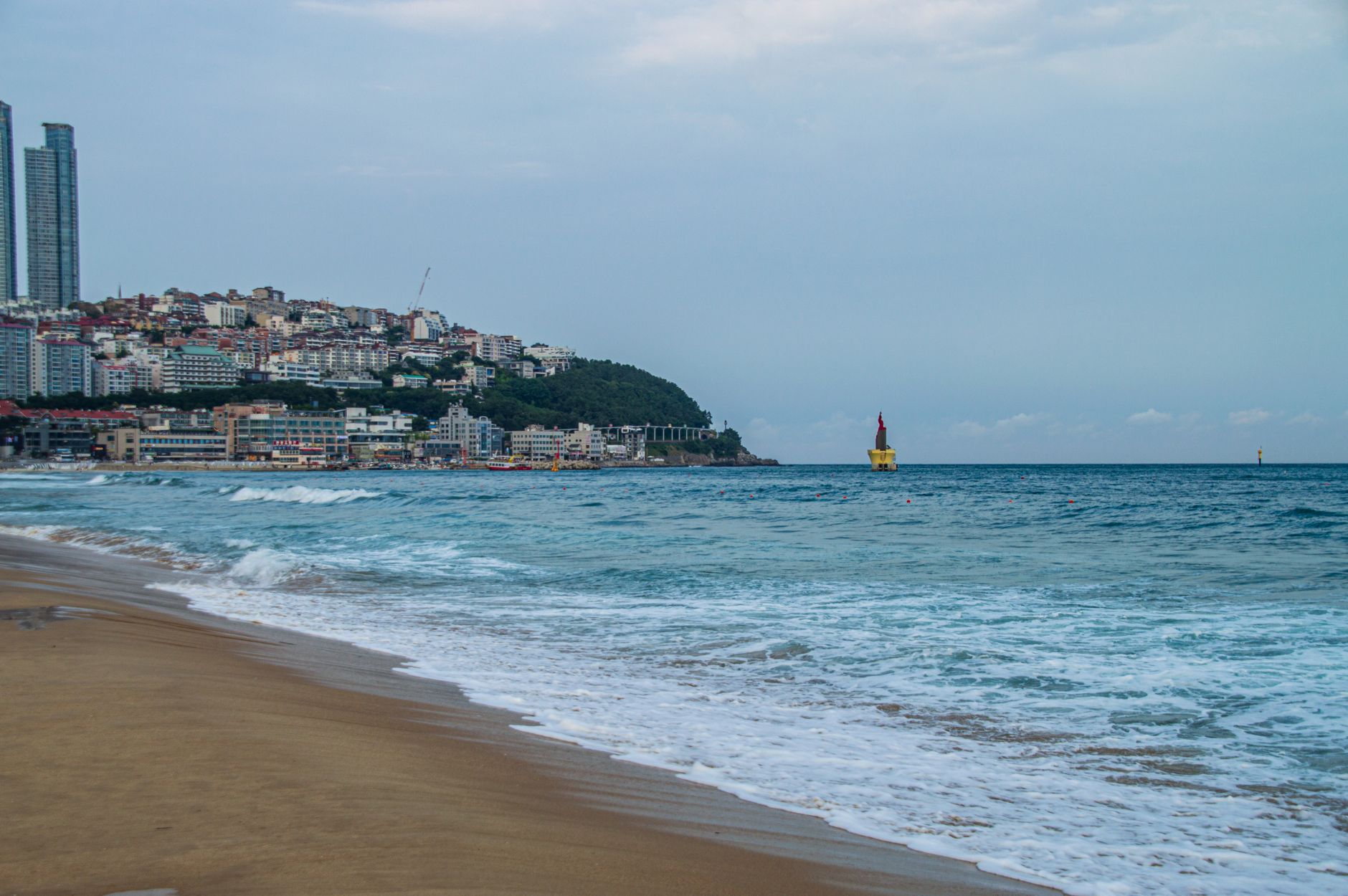
Haeundae Beach
Visit Korea's most famous beach — a free, wide sweep of sand backed by high-rises. Swim in summer, or stroll the promenade and Dongbaek Island headland year-round.
Blueline Park beach train & Sky Capsule
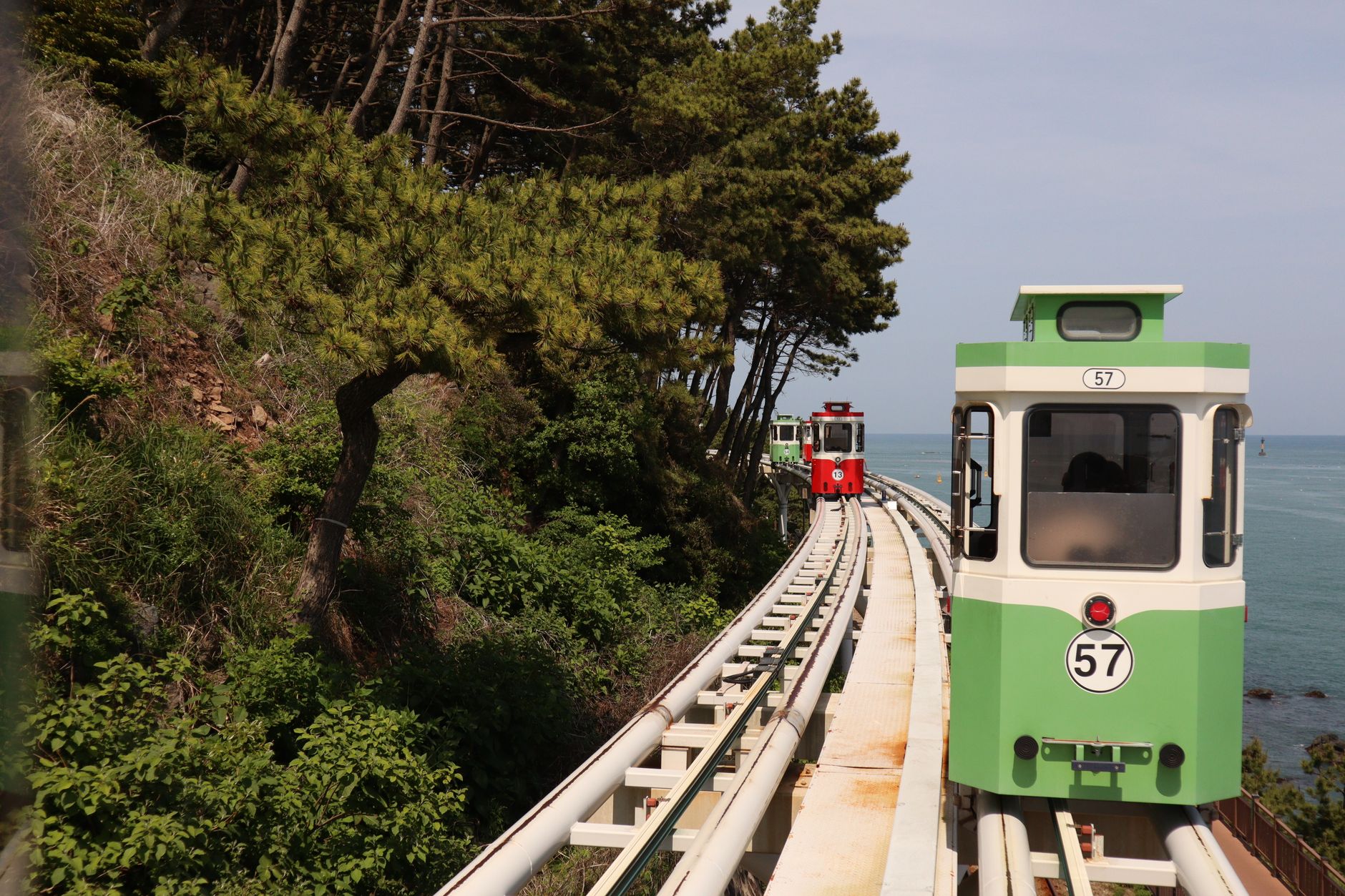
Take the ticketed coastal rides along the old Donghae rail line — the Beach Train at promenade level and the elevated Sky Capsules between Mipo and Cheongsapo. Popular weekend slots sell out, so book on the official site.
Day 6: Busan — sea temple, Gamcheon & Jagalchi
Go early to the sea temple, then cross Busan for a respectful village wander and the Nampo waterfront markets.
Haedong Yonggungsa Temple
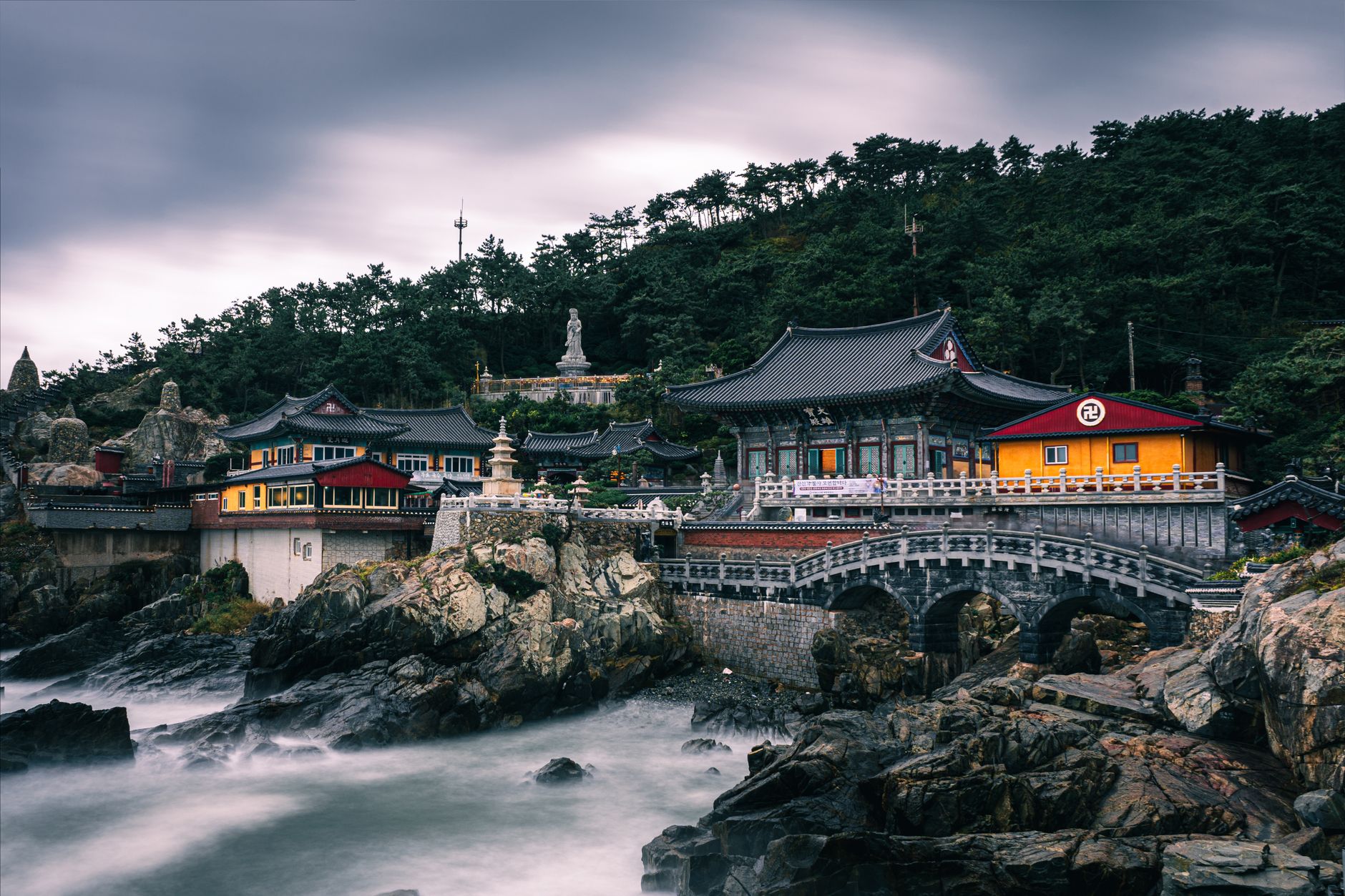
Visit one of Korea's few temples built right on the sea, on the rocks northeast of Haeundae. It is free to enter and busiest by mid-morning, so go early; dress modestly and keep quiet in the halls.
Gamcheon Culture Village
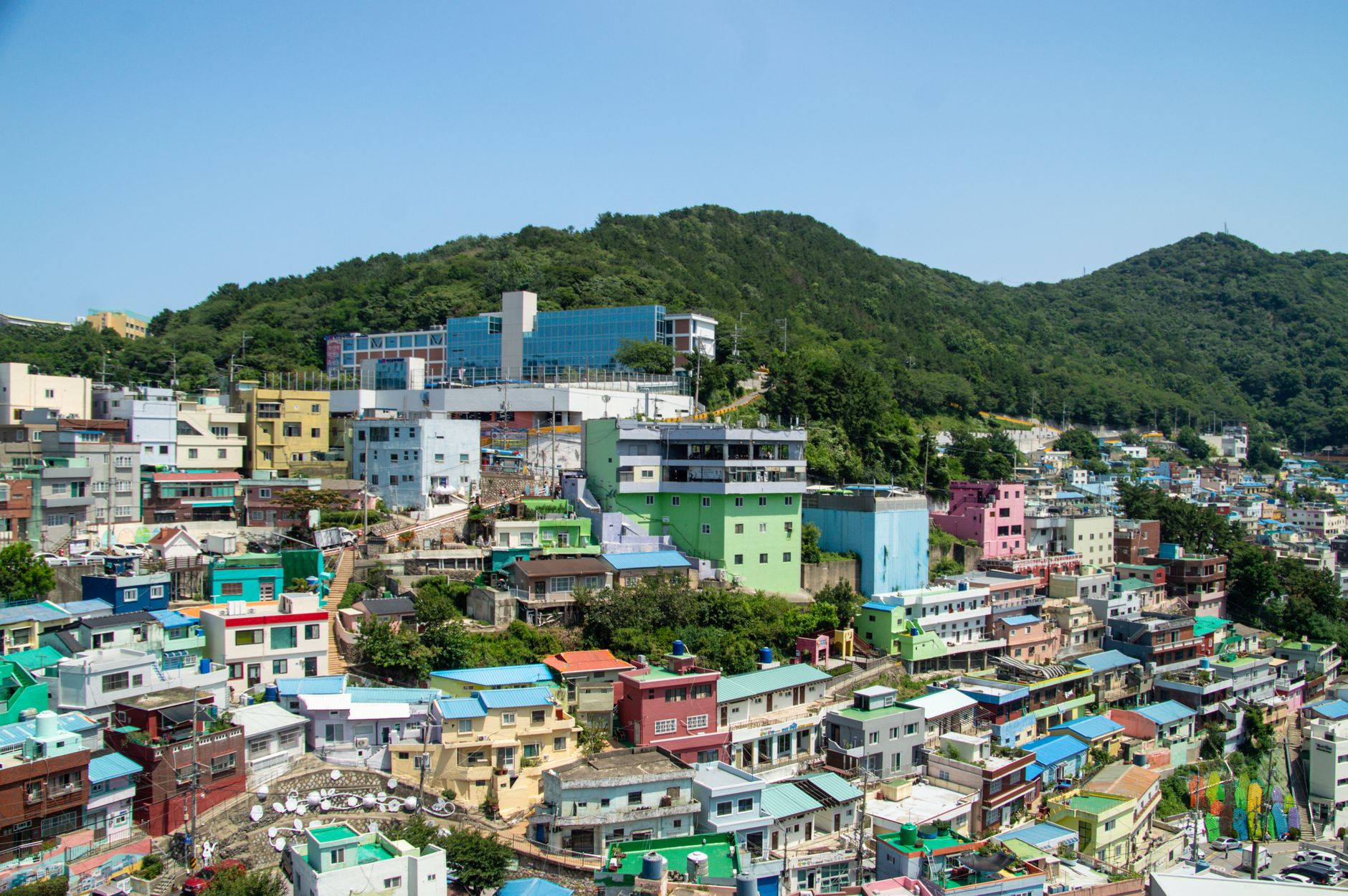
Wander free through the pastel hillside village of lanes, murals and viewpoints. People live here, so respect homes and keep to the marked alleys; the optional stamp-tour map sold at the info centre supports the community.

Jagalchi Fish Market
Browse Korea's largest fish market on the Nampo waterfront for free through the outdoor stalls and market hall. The classic move is picking your seafood downstairs and having it prepared at the upstairs restaurants.
Day 7: Gyeongju day trip — Bulguksa & Wolji Pond
Use a guided Gyeongju day tour from Busan, or take KTX or SRT to Gyeongju Station (formerly Singyeongju) and continue by local bus before returning to Busan at night.
Bulguksa Temple (UNESCO)
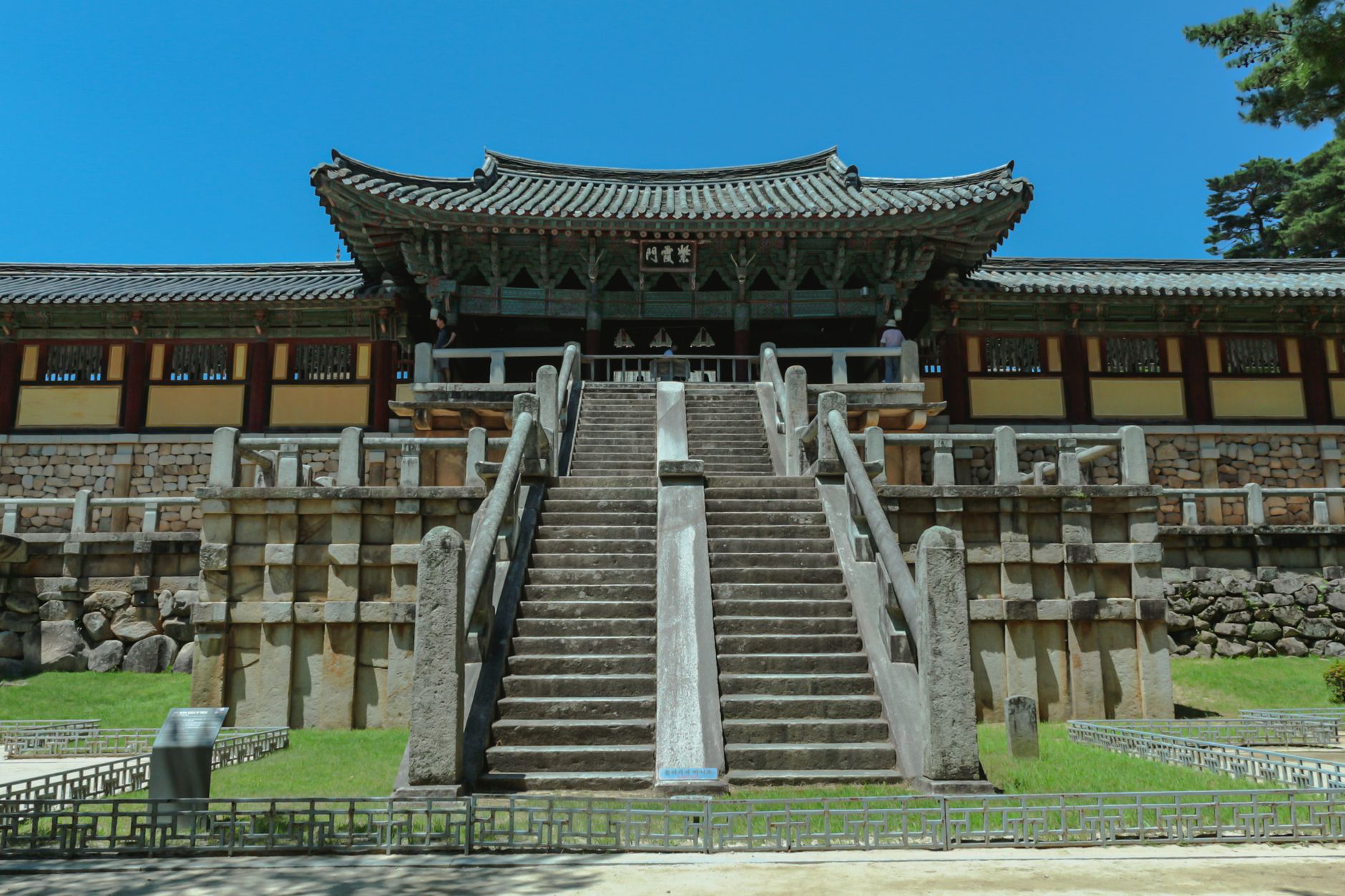
See the masterpiece of Silla Buddhist architecture, a UNESCO World Heritage Site with the famous twin stone staircases and the Seokgatap and Dabotap pagodas. Admission fees at Bulguksa were abolished in 2023, so the bookable product here is the guided Gyeongju day tour from Busan, which bundles transport to the spread-out sights; independently it is a KTX or SRT hop to Gyeongju Station (formerly Singyeongju) plus a local bus.

Gyeongju's royal heart: Daereungwon, Cheomseongdae & Wolji Pond at dusk
Stroll the free grounds around the grassy Daereungwon royal burial mounds and the 7th-century Cheomseongdae observatory, then end with the ticketed evening entry to Donggung Palace and Wolji Pond, whose illuminated pavilions reflect in the water after sunset — check hours on the official Gyeongju tourism site.
Day 8: Gukje Market & departure
Browse central Busan in the morning, then leave from Gimhae or allow a full half-day for a KTX return toward Incheon.

Gukje Market & BIFF Square
Take a free last-morning browse through Busan's sprawling post-war market arcades next to BIFF Square and its street-food stalls, a short walk from Jagalchi.
Departure from Busan
Fly out of Gimhae (PUS) — reached by light rail or taxi — or ride the KTX back to Seoul for international departures from Incheon; allow a full half-day if returning to ICN.
Seoul, the DMZ, Busan & Gyeongju
Eight day-master anchors trace the route from Seoul through the DMZ, south by KTX to Busan and out to Gyeongju before departure.
- 1
Seoul — Myeongdong
Arrival and a street-food evening
- 2
Seoul — Gyeongbokgung Palace
Royal Seoul, Bukchon and Insadong
- 3
DMZ — Imjingak
A licensed guided DMZ tour
- 4
Seoul — N Seoul Tower, Namsan
Museums, Namsan and Hongdae
- 5
Busan — Haeundae Beach
KTX south, the beach and Blueline Park
- 6
Busan — Gamcheon Culture Village
The sea temple, Gamcheon and Jagalchi
- 7
Gyeongju — Bulguksa
Bulguksa and the royal heart of Gyeongju
- 8
Busan — Gukje Market
A final market browse before departure
Frequently Asked Questions
How many days do you need for Seoul and Busan?
Eight days lets you see Seoul properly, take a DMZ tour, ride the KTX to Busan and still fit a Gyeongju day trip; a shorter trip means dropping the DMZ or Gyeongju day.
What is the best time to visit South Korea?
April–June is best for spring blossoms and September–November for clear autumn days; late June–July is the jangma monsoon, August is hot and humid, and late-summer typhoons can affect the Busan coast.
Do I need a visa or K-ETA for South Korea?
Many nationalities need a K-ETA approved online before travel, though exemptions have applied to some countries in recent years. Check the official K-ETA portal for your passport before booking.
Is Gyeongbokgung Palace open every day?
No. It closes on Tuesdays; visitors wearing rented hanbok enter free, and the royal guard-changing ceremony runs on a published schedule on the official site.
Can you visit the DMZ on your own, and is the JSA open?
No. The DMZ is accessible only on licensed guided tours with your passport; most sites close Mondays, and JSA/Panmunjom visits have been suspended for long stretches since 2023, so confirm current availability with your tour operator.
How do I get from Seoul to Busan?
The KTX high-speed train takes about 2h40 on most services from Seoul Station to Busan Station, with the fastest runs closer to 2h15; reserve seats through Korail, especially on weekends and holidays.
Is Gyeongju worth a day trip from Busan?
Yes. KTX or SRT trains reach Gyeongju Station (formerly Singyeongju) in around 30 minutes, or guided day tours bundle transport; Bulguksa, the Daereungwon mounds, Cheomseongdae and the illuminated Wolji Pond make a full, rewarding day.
Do I need cash in South Korea?
Cards are accepted almost everywhere, but carry some cash for street-food stalls and small market vendors; a T-money card handles all city transit.
What should I know before visiting Bukchon Hanok Village?
It is a residential neighbourhood. The most popular lanes have posted visiting hours, and visitors are asked to keep quiet, stay out of private doorways and avoid early-morning or evening visits.
Make this plan your own
Copy this plan into your account in one click — keep the original for reference and edit your copy any way you like.
Sign in once to save and edit your own copy.