
Scandinavia by Rail: 7 Days from Copenhagen to Bergen
Why this rail journey is special
Scandinavia by train is one of the great journeys in Europe. You skip the airport queues entirely — every station sits in the heart of its city, so you step off the train and you're already there. Copenhagen's Nyhavn, Stockholm's Gamla Stan, Oslo's fjord waterfront, the legendary Flåm Railway — all connected by smooth, punctual Nordic rail.
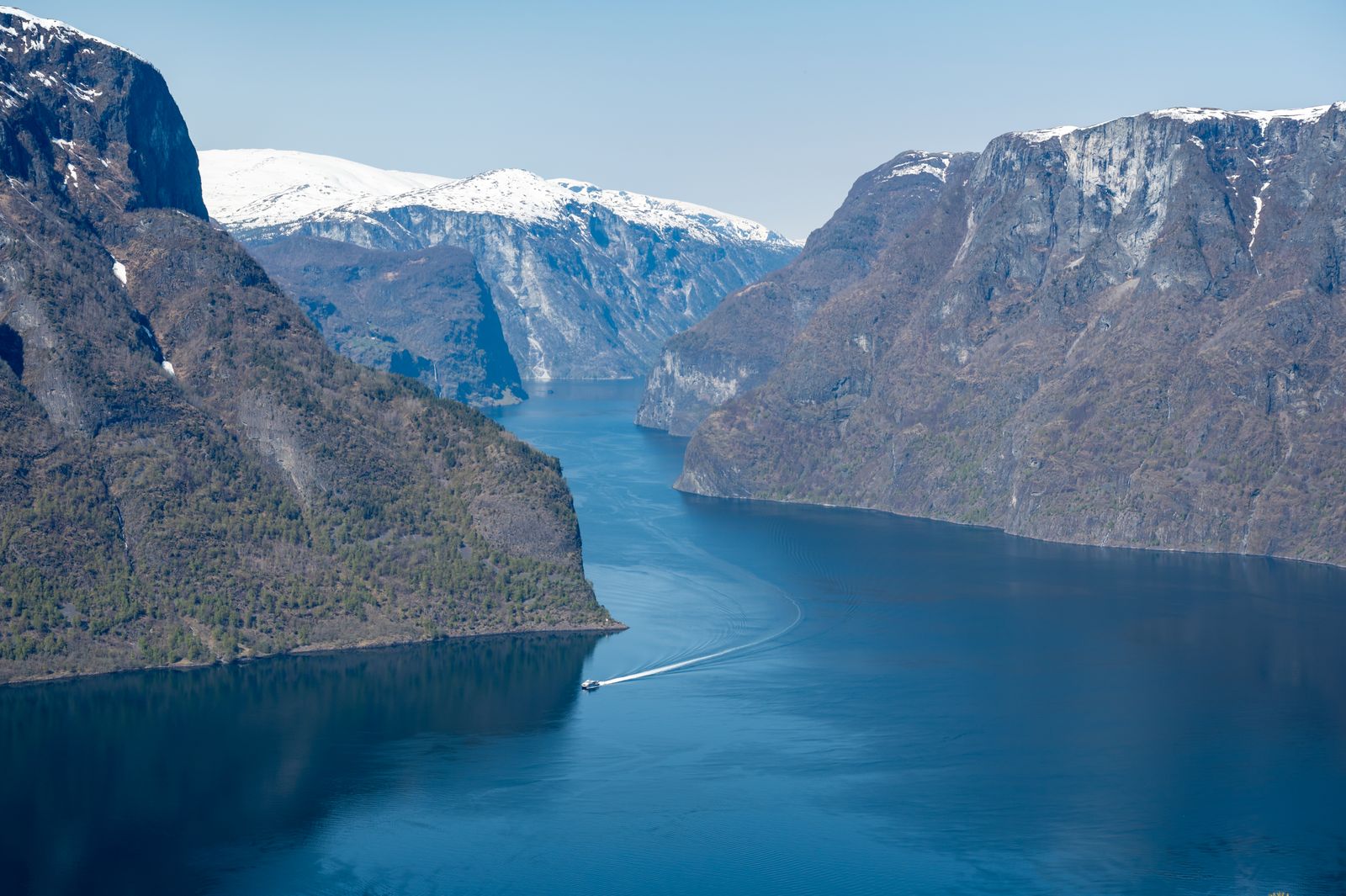
The final stretch from Oslo through the mountains to Flåm and along the Sognefjord to Bergen is widely considered one of the most scenic rail journeys on the planet. Save it for Day 6 and do it in daylight. You'll want to be glued to the window.
Booking, in one rule: Reserve the compulsory, high-demand legs *ahead* — both cross-border SJ high-speed trains (Copenhagen→Stockholm and Stockholm→Oslo) need a seat reservation and sell out in summer, and the Flåm Railway (Flåmsbana) plus the Nærøyfjord cruise are separate bookings that go weeks in advance. The local/regional segments — the Øresundståg from Copenhagen to Malmö, and Oslo/Bergen city trains — carry no compulsory reservation and can be bought on the day or online the evening before.
- Start city: Copenhagen (CPH airport or Eurostar connections)
- End city: Bergen (fly home or reverse the route)
- Rail pass: Eurail Scandinavia Pass saves money for 4+ legs
- Key booking: Flåmsbana + fjord cruise — book weeks ahead
- Currency: DKK (Denmark), SEK (Sweden), NOK (Norway)
Suggested Stays
One base per city — no constant repacking
Suggested Stays
One base per city — no constant repacking
Copenhagen (Nights 1–2)
Stay near Nørreport or Vesterbro for easy metro and station access
Stockholm (Night 3)
Gamla Stan or Södermalm for walkability
Oslo (Nights 4–5)
Grünerløkka or Sentrum — both walkable to Oslo Central Station
Bergen (Night 6)
Stay in Bryggen district for the full atmosphere
Rail Pass vs. Point-to-Point
7-Day Itinerary Breakdown
Day 1: Arrive in Copenhagen
Fly into CPH — metro direct to Copenhagen Central in 15 min

Nyhavn Canal Walk
Drop your bags and head straight to Nyhavn. The colourful 17th-century townhouses reflected in the canal are the city's most iconic sight. Grab a beer at one of the harbourside bars and ease into Scandinavian life.
Tivoli Gardens
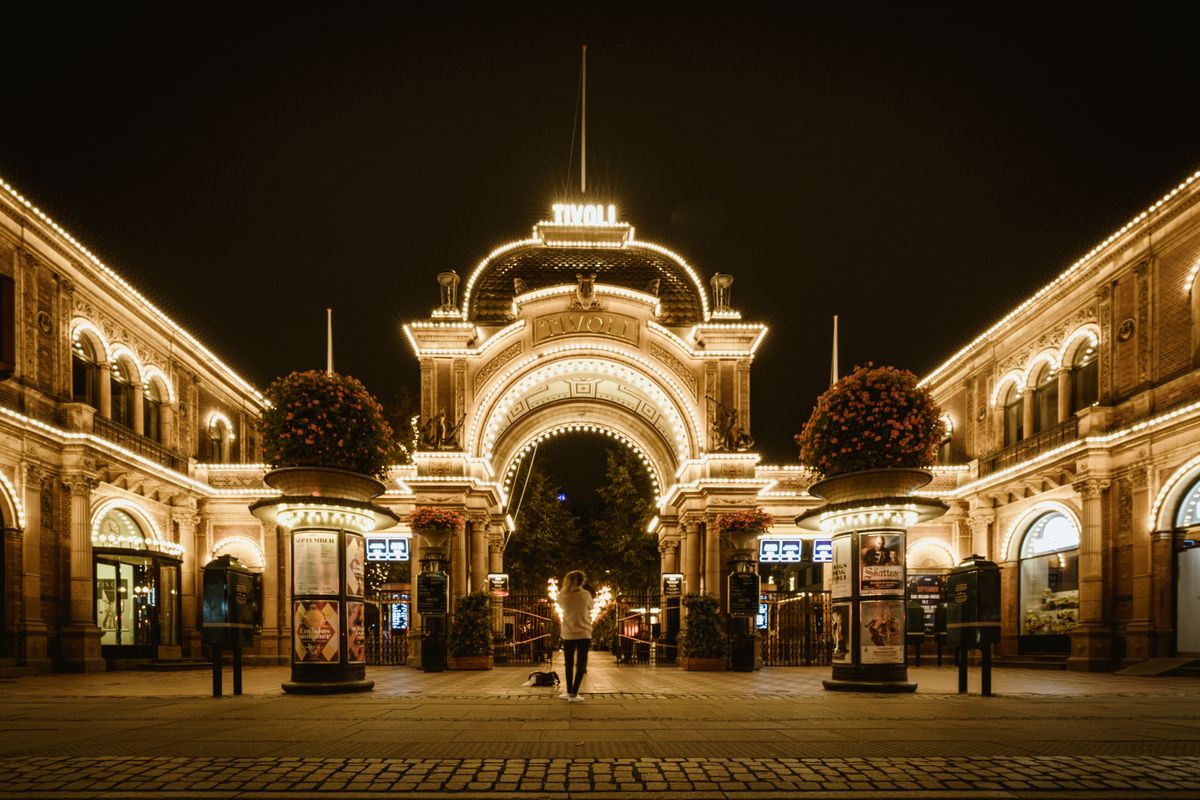
The world's second-oldest amusement park sits 5 minutes from the central station. Open evenings in summer, the illuminated gardens are magical even if you skip the rides. Book online to save on entry.
Day 2: Copenhagen — Full Day
The only full rest day in Denmark — make it count
Rosenborg Castle & King's Garden
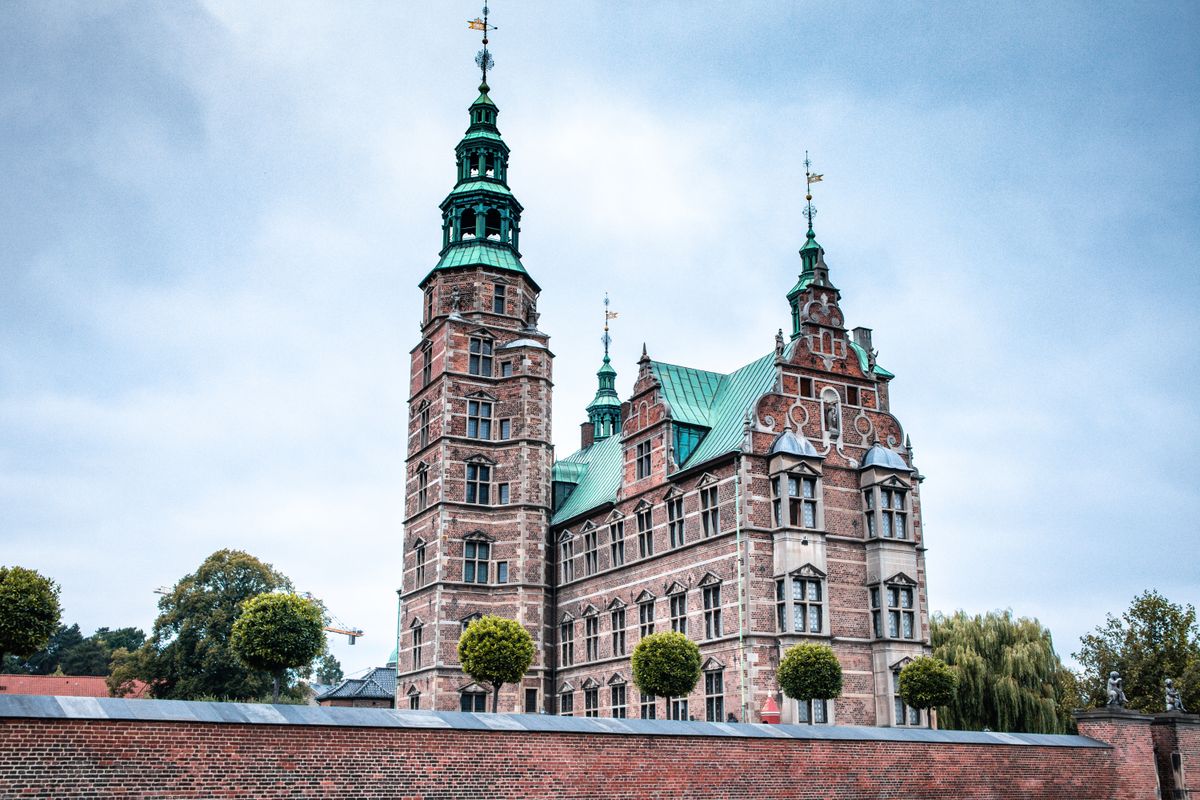
The Renaissance royal palace houses Denmark's Crown Jewels. The surrounding park (Kongens Have) is the oldest in Copenhagen and free to enter — perfect for a sunny morning wander.

Freetown Christiania & Torvehallerne Market
Explore the self-governing commune of Christiania, a fascinating countercultural enclave on the city's waterfront. Then head to Torvehallerne covered market for the best smørrebrød (open-faced sandwiches) in the city.

Vesterbro Neighbourhood Dinner
Copenhagen's food scene is world-class. Vesterbro is the local favourite for dinner — Kødbyen (the Meatpacking District) has great restaurants at slightly less tourist prices. Book ahead for anything notable.
Day 3: Copenhagen → Stockholm
Copenhagen → Stockholm ~5.5 hrs. The direct SJ through-train is suspended into autumn 2026, so today is a two-leg trip: Øresundståg regional to Malmö C, then the SJ X2000 high-speed onward. Book the SJ leg (compulsory reservation) ahead.

Copenhagen → Malmö, then board the SJ X2000
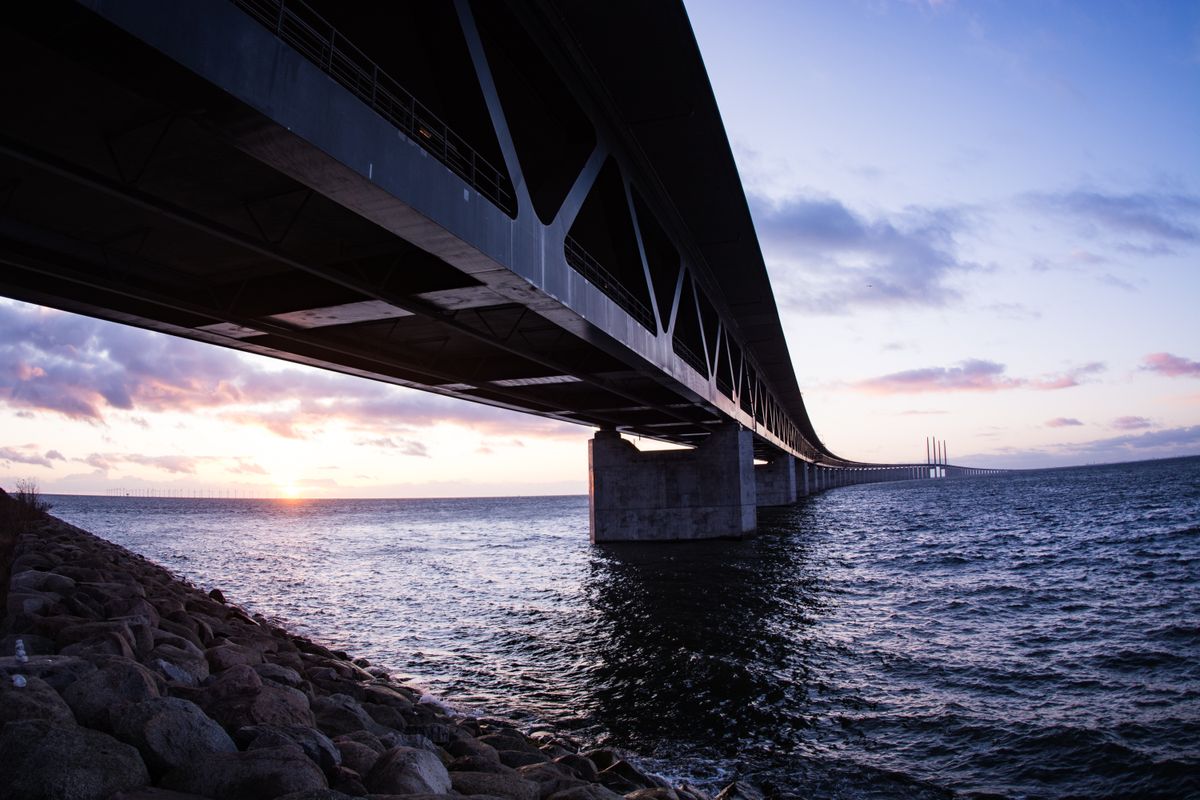
The direct Copenhagen–Stockholm through-train is suspended into autumn 2026, so today is a simple two-leg hop. Take an Øresundståg regional train from Copenhagen Central across the 16 km Øresund Bridge to Malmö Central (~35 min) — sit on the right for the best sea views. At Malmö C, connect to the SJ X2000 high-speed train onward to Stockholm; allow ~20–30 minutes between trains and keep your reserved SJ ticket handy. Total journey is around 5.5 hours. When SJ resumes the direct Copenhagen–Stockholm service (expected autumn 2026), you can instead board the through-train at Copenhagen Central and skip the change.
Gamla Stan — Stockholm's Medieval Old Town
Step off at Stockholm Central and walk 10 minutes to Gamla Stan, one of the best-preserved medieval city centres in Europe. Narrow cobblestone lanes, ochre-painted buildings, the Royal Palace, and the Nobel Prize Museum. The article specifically highlights 'medieval Gamla Stan, Stockholm's old town' as a must.
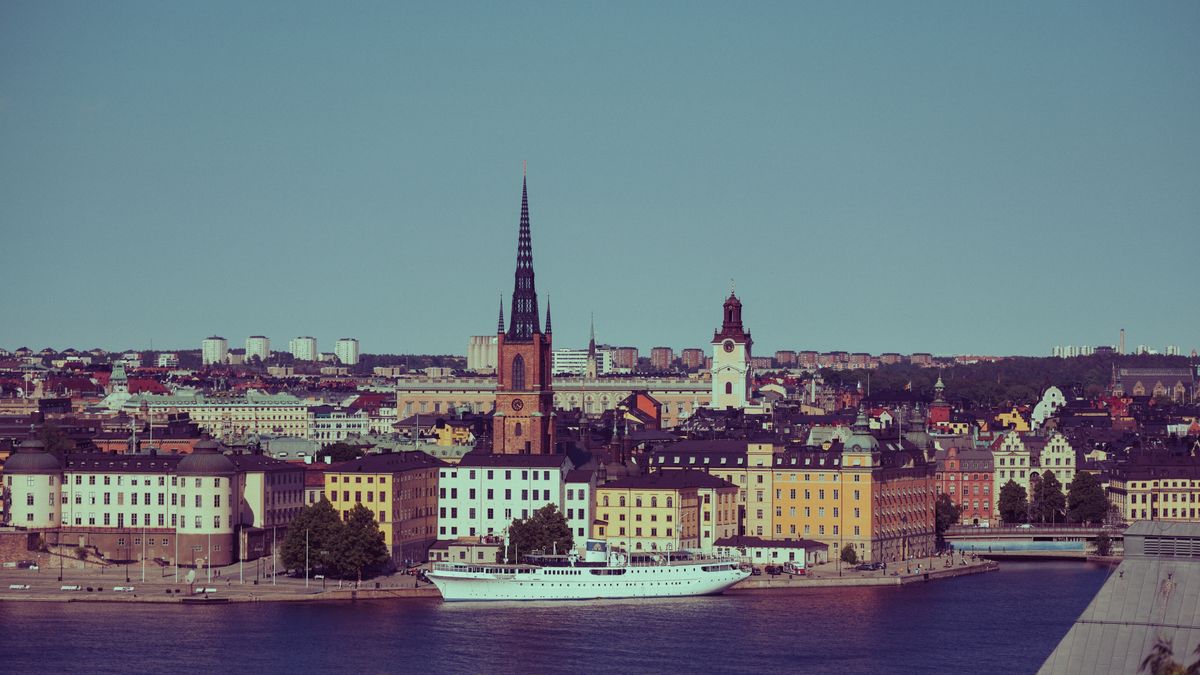
Södermalm Rooftop Views
Head to Södermalm's Monteliusvägen cliff path for a free panoramic view over Stockholm's Old Town and Lake Mälaren at golden hour. Then dinner in the neighbourhood — Stockholm's most vibrant area for eating and drinking.
Day 4: Stockholm → Oslo
~5.5 hrs on SJ direct — take the early train to maximise Oslo time
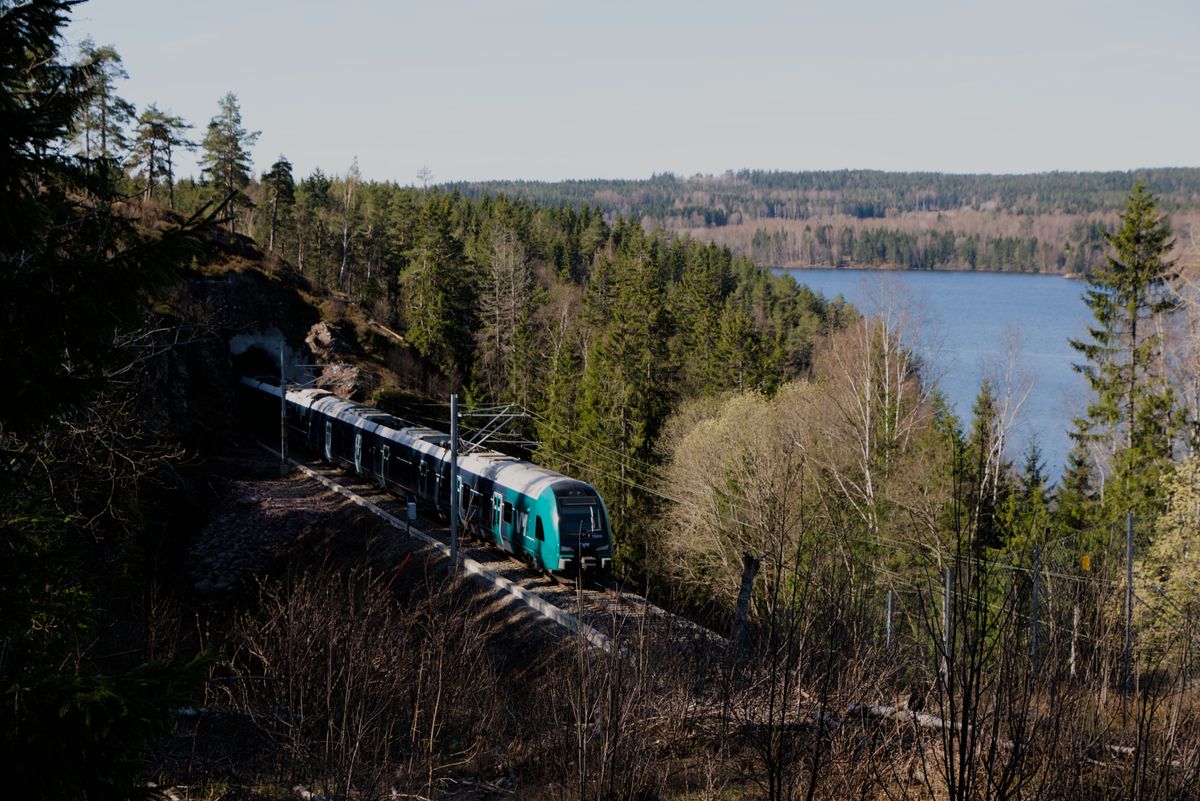
Train through Swedish forests to Oslo
Book the 08:00 SJ train from Stockholm Central. The route passes through dense pine forests, glassy lakes, and the Swedish countryside before crossing into Norway. Arrive Oslo Central (Oslo S) early afternoon (~13:30).
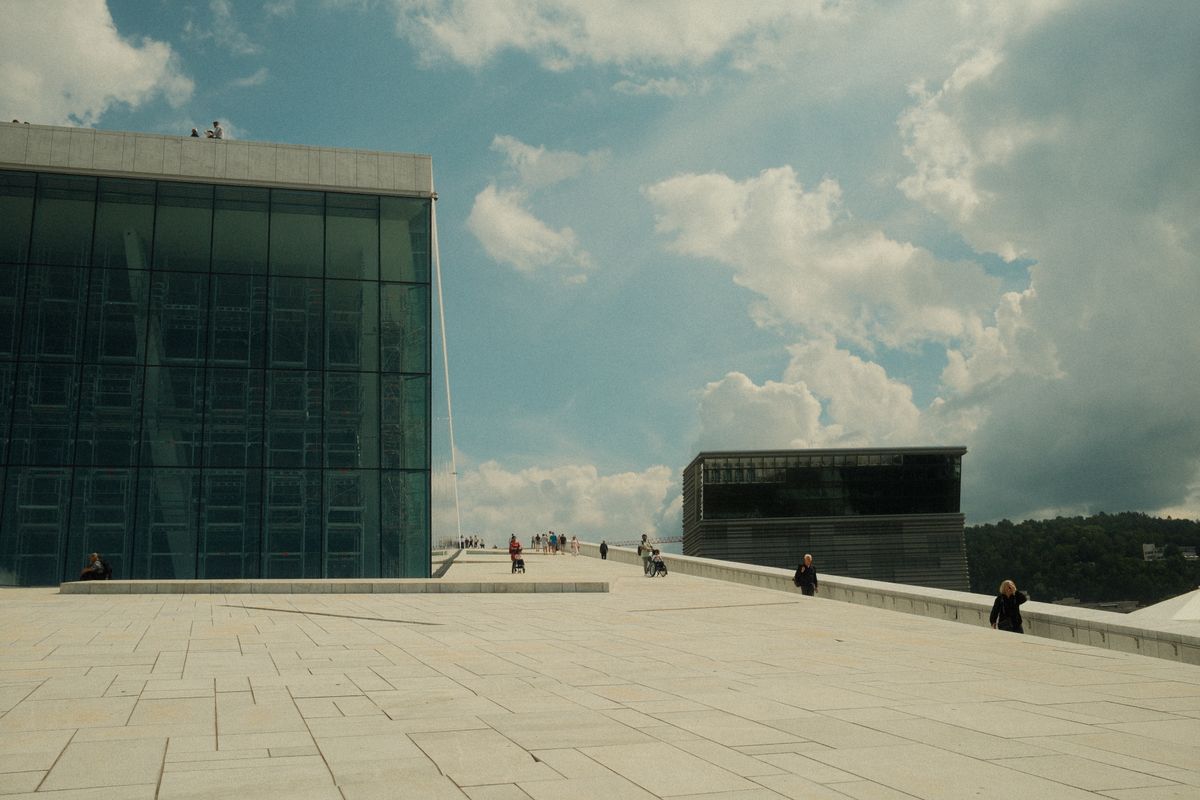
Oslo Opera House & Aker Brygge Waterfront
Oslo's striking Opera House lets you walk up onto its sloping marble roof — free, and with views over the Oslofjord. Then stroll along Aker Brygge waterfront for lunch at one of the harbourside restaurants.
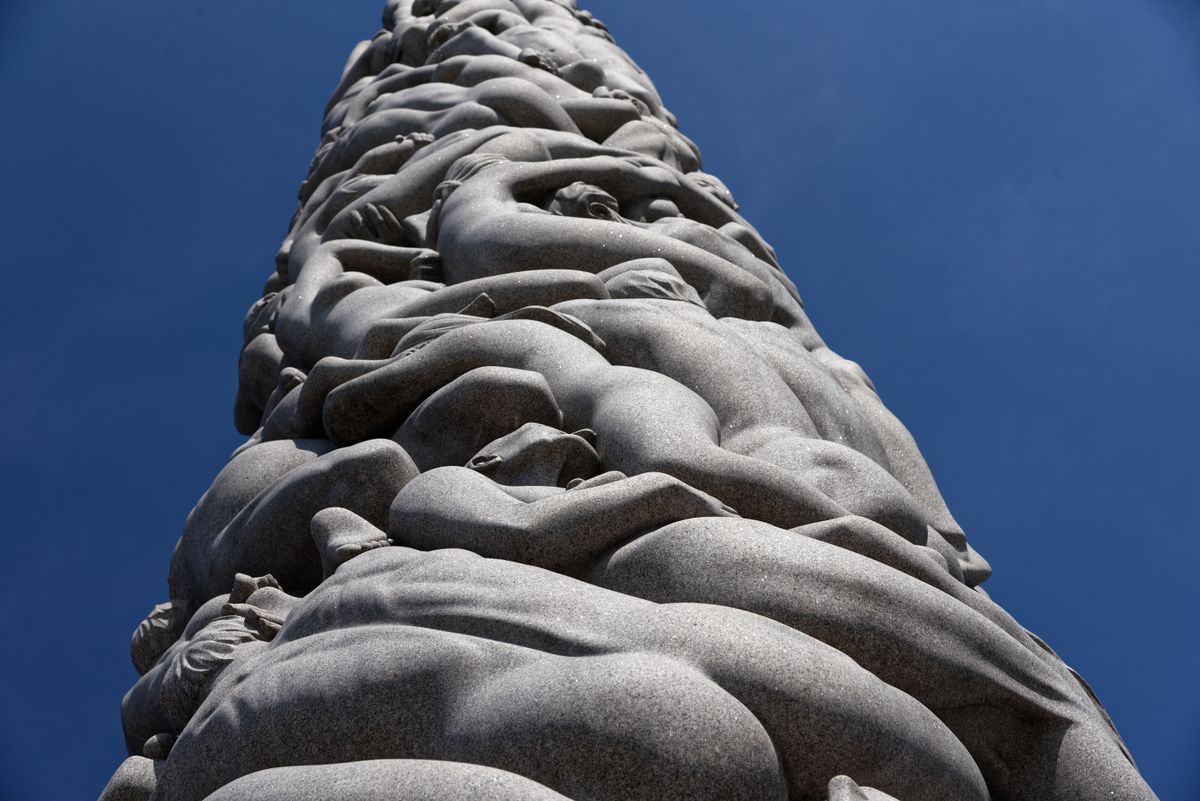
Vigeland Sculpture Park
The world's largest sculpture installation by a single artist — 212 bronze and granite sculptures by Gustav Vigeland set in a beautiful park. Completely free to enter and stunning in summer evening light.
Day 5: Oslo — Full Day
Base day before the big fjord journey tomorrow


National Museum of Norway
Edvard Munch's 'The Scream' lives here — the world's most recognised version. The new National Museum (opened 2022) is Norway's largest art museum. Book timed entry online. Give it at least 2 hours.
Holmenkollen Ski Jump & Viewpoint
Take the T-bane metro (Line 1) up through Oslo's forested hills to the iconic Holmenkollen ski jump. The viewing platform at the top gives a sweeping view over the Oslofjord, the city, and the forests. Well worth the trip.
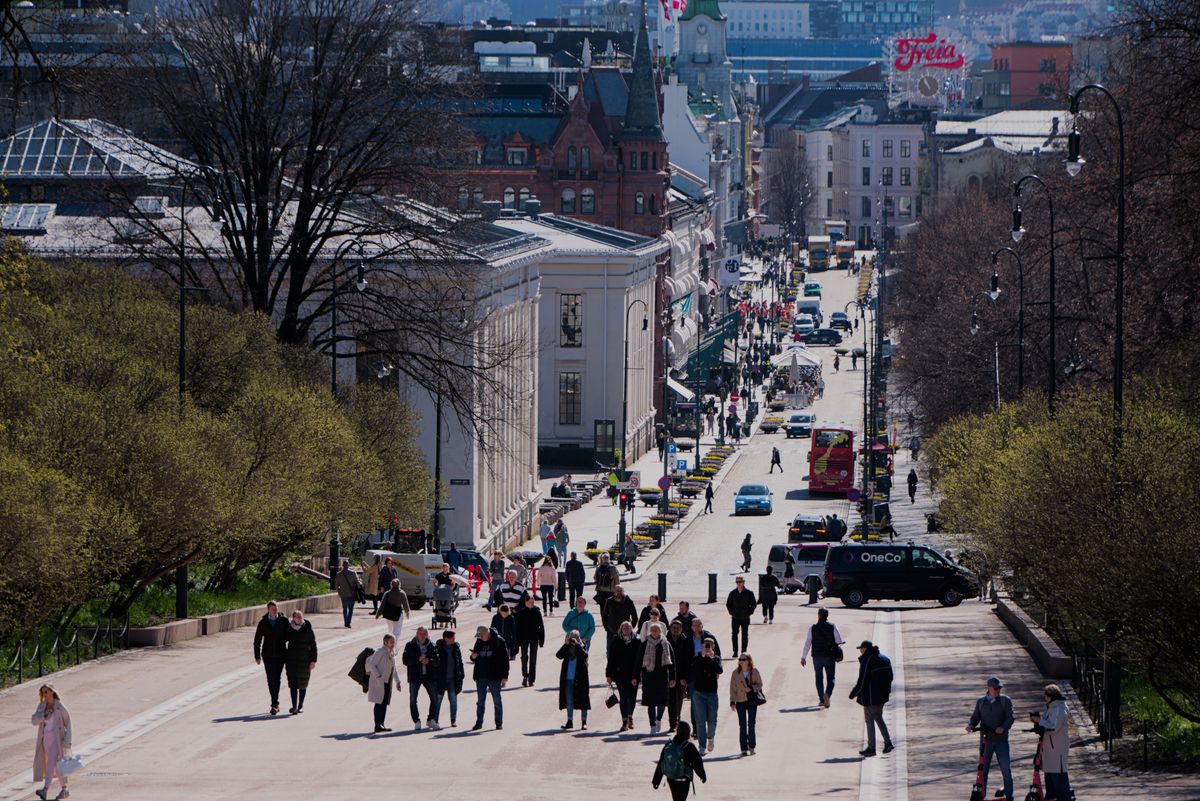
Karl Johans Gate & Dinner
Oslo's main pedestrian street runs from the Central Station to the Royal Palace. Good for last-minute souvenir shopping, people-watching, and finding dinner. Pack your bags tonight — tomorrow is an early start for the fjords.
Day 6: The Fjord Day — Oslo → Flåm → Bergen
The highlight of the entire trip. Start early — this is a full travel day with world-class scenery

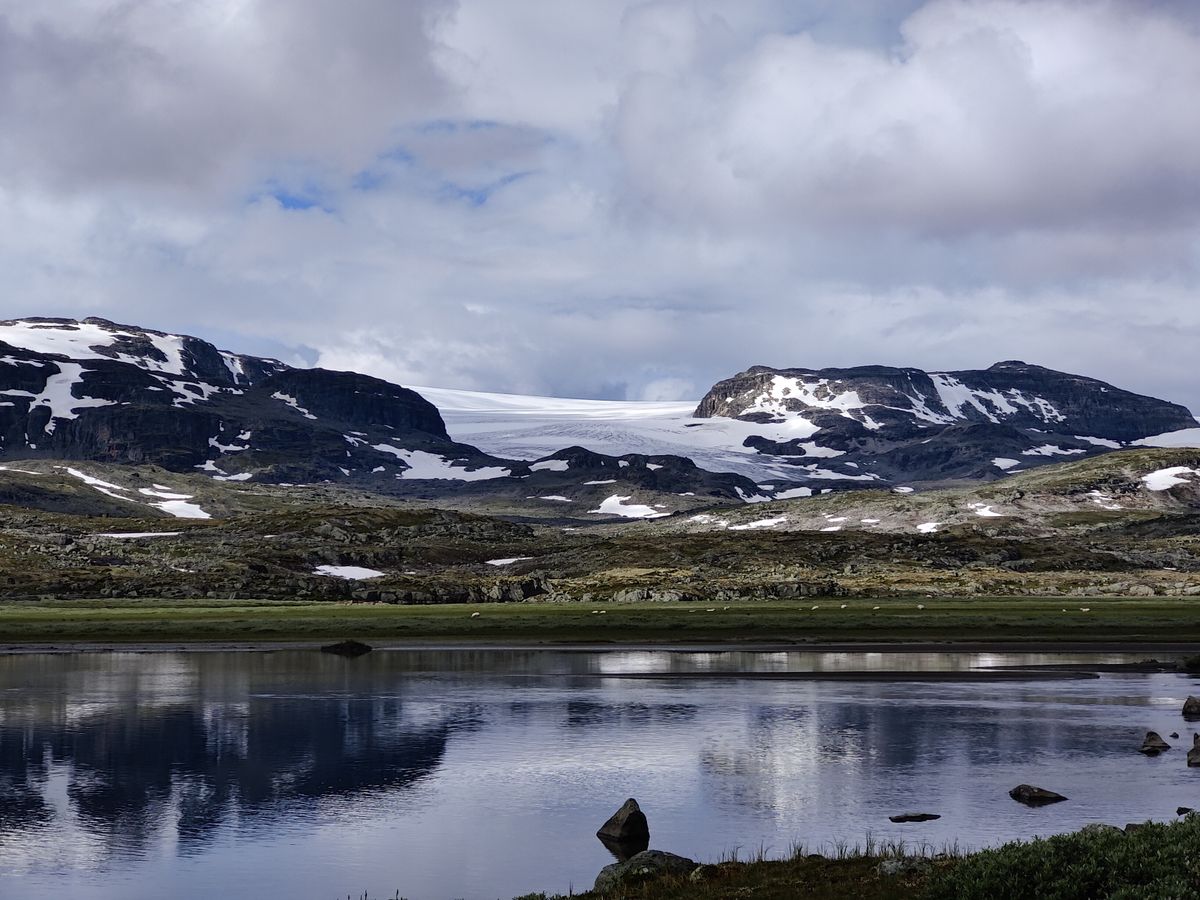
Bergen Railway (Bergensbanen) to Myrdal
Board the 07:00 Bergen Railway from Oslo Central. This 5-hour journey climbs through pine forests, past lakes, across the Hardangervidda mountain plateau — Europe's largest high-altitude plateau — and through the snow-capped peaks around Finse (1,222m). Sit on the left side for the best views. The train is punctual; bring snacks.

Flåmsbana — World's Most Scenic Railway Branch
At Myrdal, change to the legendary Flåmsbana — a 20km railway that drops 863 metres in under an hour, spiralling through tunnels, past waterfalls (including Kjosfossen, where the train stops so you can photograph the waterfall), and through some of the most dramatic mountain scenery on Earth. Pre-book this — it sells out in summer.
Flåm → Bergen: Nærøyfjord Cruise, Bus & Bergen Railway
The Flåm–Bergen leg is a scenic three-part relay, not a single boat. Board the Nærøyfjord fjord cruise at Flåm (departs ~15:00, ~2 hrs) through the UNESCO-listed Nærøyfjord to Gudvangen, arriving ~17:00. At Gudvangen, catch the connecting VY456 bus (~17:15) up the Stalheim valley to Voss, arriving ~18:20. From Voss, board the Bergen Railway (Bergensbanen) at ~19:14 for the final run into Bergen, arriving around 20:38 — roughly 5h40 door to door. It's a long but unforgettable day — arrive in Bergen in the evening and check straight into your Bryggen hotel. (Timetable verified on a summer operating date; reconfirm exact times with Norway's Best and Vy for your travel day.)
Day 7: Bergen — Final Day
Bergen's compact centre is perfect for a slow last morning before heading home
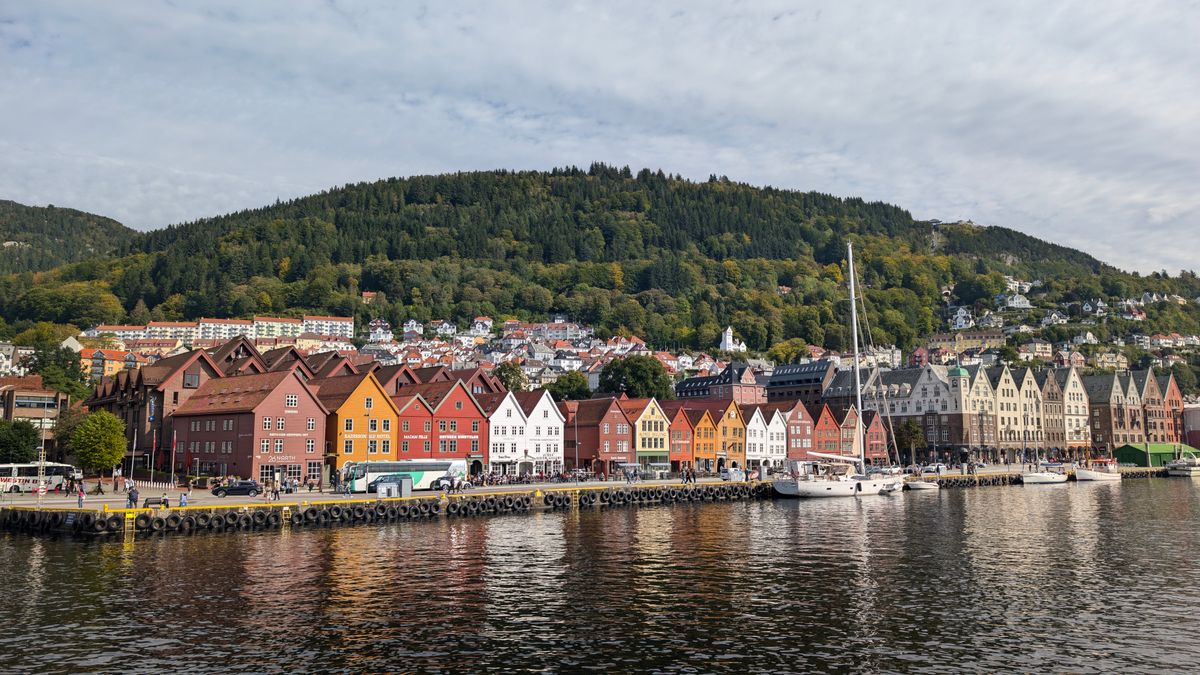
Bryggen Wharf & Fish Market
Bryggen is Bergen's row of colourful Hanseatic wooden buildings along the wharf — another UNESCO World Heritage Site. Browse the Fish Market (Fisketorget) for smoked salmon and shrimp straight from the stalls. The best breakfast in Bergen.
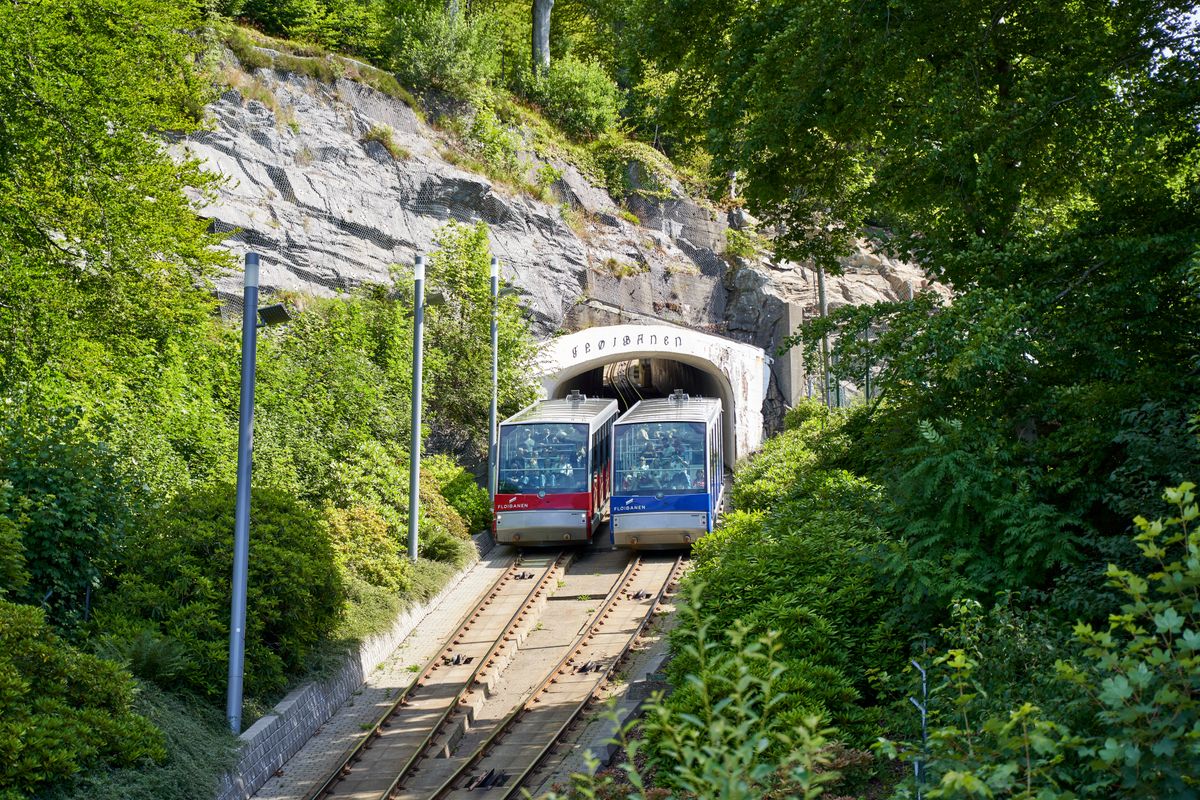
Mount Fløyen Funicular
The Fløibanen funicular takes you 320m above the city in 8 minutes. From the top, you get a panoramic view of Bergen, its seven mountains, and the fjords beyond — the view that makes Bergen famous. The article specifically calls out 'Mount Fløyen funicular views in Bergen' as a highlight. Ride down and grab lunch at Bryggen.
Depart Bergen — Fly or Reverse the Route
Bergen Airport (BGO) is 20 minutes from the city centre by light rail. Alternatively, take the Bergen Railway back to Oslo and fly from Oslo Airport (OSL). Either way, you've completed one of the great European rail journeys.
Interactive Route Map
Trace the rail route north — two days in Copenhagen, the X2000 across the Øresund to Stockholm, the forest line west to Oslo, then the Bergen Railway over the mountains to Myrdal, the Flåmsbana down to the fjord and the Nærøyfjord relay into Bergen.
- 1
Copenhagen
Days 1–2: Nyhavn, Tivoli & Rosenborg
- 2
Stockholm
Day 3: Gamla Stan & Södermalm
- 3
Oslo
Days 4–5: Opera House, Vigeland & Holmenkollen
- 4
Flåm
Day 6: Flåmsbana & Nærøyfjord cruise
- 5
Bergen
Days 6–7: Bryggen wharf & Mount Fløyen
Frequently Asked Questions
What is the route order, and where do I start and finish?
The trip runs one-way west: Copenhagen (Denmark, nights 1–2) → Stockholm (Sweden, night 3) → Oslo (Norway, nights 4–5) → the fjord day via Flåm → Bergen (Norway, night 6). You fly into Copenhagen (CPH) and out of Bergen (BGO), or reverse it and start in Bergen. An open-jaw (into one city, out of the other) avoids backtracking.
Can I do this route in reverse (Bergen to Copenhagen)?
Yes, and it works just as well. Starting in Bergen lets you do the epic fjord day when you're fresh, then wind down through Oslo and Stockholm into Copenhagen. SJ and Vy timetables run in both directions with roughly equivalent journey times.
What documents do I need, and are there border checks between the three countries?
Denmark, Sweden and Norway are all in the Schengen Area, so there are normally no passport checks crossing between them by train — but carry your passport or national ID, as Sweden and Norway do run occasional ID spot-checks. Non-EU visitors follow standard Schengen entry rules. Two things often get confused: the EU Entry/Exit System (EES) — the biometric entry/exit registration that replaces passport stamps — is now operational (rolled out from 2026), and you simply have your fingerprints/photo taken at your first Schengen entry. ETIAS, the separate €20 travel authorisation for visa-exempt nationalities, has NOT started yet; the EU expects it to launch in late 2026 (Q4) with a grace period after, so there is no application to make and no action to take until the EU officially announces it — just check the official EU travel site before you go. Note Norway is in Schengen but NOT in the EU, which matters mainly for customs (alcohol/tobacco allowances) rather than passport control.
What currency do I use — is it all euros?
No — none of the three countries uses the euro, and each has its own currency: Denmark uses the Danish krone (DKK), Sweden the Swedish krona (SEK), and Norway the Norwegian krone (NOK). The good news: all three are among the most card-friendly countries on earth — contactless cards and phones are accepted almost everywhere, including on trains, kiosks and market stalls, so you rarely need cash. Don't over-order krone from one country expecting to spend it in the next; they're not interchangeable.
Do I need a rail pass or can I book point-to-point, and how do reservations and disruptions work across borders?
Both work. A Eurail/Interrail Scandinavia Pass (Denmark, Sweden, Norway) can save money if you're doing all the main legs; point-to-point is often cheaper if you book early. Crucially, the cross-border high-speed trains — Copenhagen↔Stockholm and Stockholm↔Oslo (both SJ) — require a compulsory seat reservation even with a pass and sell out in summer, so reserve ahead. The Flåmsbana and Nærøyfjord cruise are separate paid bookings even with a pass. Note SJ has had a trainset shortage affecting the direct Copenhagen–Stockholm train into autumn 2026, so check for a same-day connection via a change if the through train isn't running, and build a buffer between tight connections.
How far in advance should I book the Flåm Railway and the fjord cruise?
At least 2–3 weeks ahead in summer, ideally more. The Flåmsbana is one of Norway's most popular journeys and sells out in June–August. Book the Flåmsbana and the Nærøyfjord cruise at visitflam.com or vy.no, and reserve your Bergen Railway (Bergensbanen) seat at least 2 weeks ahead in summer.
Will my phone work across all three countries — and offline in the fjords?
If you have an EU/EEA SIM, roaming works at home rates ('roam like at home') across Denmark, Sweden AND Norway — Norway is in the EEA, so it's included in EU roaming even though it is not in the EU. Travellers on non-EU/EEA plans (US, UK post-Brexit, etc.) should check roaming fees or buy an eSIM. Coverage is excellent in cities but drops out in mountain tunnels and remote fjord stretches on the Bergen Railway and Flåmsbana, so download your tickets, maps and boarding passes offline before the fjord day.
How do I handle luggage and transfers on this rail trip?
Travel light — you change trains and hop on a fjord cruise on the fjord day (Oslo→Myrdal→Flåm→cruise→bus→Bergen), and there are no through-checked bags between legs, so you carry your own luggage on and off. Trains have overhead racks and end-of-carriage luggage stacks; there's no separate baggage car. City stations (København H, Stockholm C, Oslo S, Bergen) are central and walkable to most recommended hotels, and CPH and Bergen airports both connect to the centre by direct train/light rail. A medium case plus a daypack per person is ideal.
When is the best time to do this route?
May to September is ideal. June–August gives the longest daylight but is peak season — book accommodation and the Flåmsbana 4–6 weeks ahead. May and September are quieter with very pleasant weather. Winter is spectacular but the fjord cruise and some services run reduced schedules.
How expensive is Norway compared to the rest of the trip?
Norway is significantly more expensive than Denmark and Sweden. Budget roughly €40–70/day for food in Norway vs. €25–40 in Copenhagen or Stockholm. Supermarkets (Kiwi, Rema 1000) are the local secret for affordable meals. Alcohol is very expensive and sold through state Vinmonopolet shops (beer in supermarkets until early evening).
Is the Bergen Railway scenery better in summer or winter?
Both are spectacular but very different. Summer gives lush green valleys and wildflower meadows; winter (November–March) offers snow-covered plateaus and frozen landscapes around Finse (1,222 m, the line's highest station) — but check for weather delays. The Flåmsbana runs year-round.
Make this plan your own
Copy this plan into your account in one click — keep the original for reference and edit your copy any way you like.
Sign in once to save and edit your own copy.