

Cancún 7-Day Itinerary: Caribbean Beaches, Mayan Ruins & Cenotes
Beyond the resort pool
Cancún gets unfair criticism as a spring break destination. Stay for a week and you discover it's actually the gateway to one of the most historically and naturally rich regions in the Americas. The Hotel Zone has world-class snorkeling; Chichén Itzá is two hours away; and the Yucatan Peninsula's cenotes — underground freshwater pools in collapsed limestone caves — are among the most otherworldly swimming experiences on earth.
This itinerary balances resort beach days with serious cultural and adventure excursions — Mayan ruins, ancient cenotes, and the laid-back island of Isla Mujeres.
Best time: December–April (dry season, no hurricanes). The summer months bring heat, humidity, and hurricane risk. Avoid Semana Santa (Easter week) and spring break weeks unless you enjoy crowds.
- R-1 bus runs the full Hotel Zone for around 12–15 pesos (~$1)
- ADO buses to Chichén Itzá, Tulum, Playa del Carmen
- Ferries to Isla Mujeres depart from Puerto Juárez (Ultramar) or the Hotel Zone (Xcaret Xailing)
- Rent a car for day trips to cenotes and Cobá
Where to Stay
Hotel Zone, Downtown or Playa Mujeres
Where to Stay
Hotel Zone, Downtown or Playa Mujeres
Hotel Zone (Zona Hotelera)
Best beach access, walking to restaurants and clubs
Downtown Cancún (El Centro)
Authentic, cheap, local restaurants — but further from beach
Playa Mujeres / Isla Blanca
North of the Hotel Zone — quieter, upscale, peaceful
Budget Notes
7-Day Itinerary Breakdown
Day 1: Arrive & Hotel Zone Beach
Arrive CUN → Hotel → Playa Delfines

Playa Delfines — The Best Free Beach in Cancún
Playa Delfines is the widest and least crowded beach in the Hotel Zone, with the famous 'Cancún' sign for photos. The turquoise-blue water and white sand here are the Caribbean at its most iconic. Strong waves — great for boogie boarding.

El Rey Ruins in the Late Afternoon
Within the Hotel Zone itself, the El Rey Archaeological Zone is a small Mayan ruins complex open until 5pm (last entry 4:30pm). A gentle introduction to the ancient civilisation before the bigger sites later in the week.
Dinner on the Lagoon Side
The Hotel Zone has lagoon-side restaurants with sunset views and city lights. La Habichuela Sunset is a local institution. Or try Puerto Madero for excellent Argentine-style beef with a lagoon backdrop.
Day 2: Isla Mujeres — The Most Beautiful Island
30-min ferry → golf cart island life


Ferry from Puerto Juárez to Isla Mujeres
Ultramar ferries depart roughly every 30 minutes from Puerto Juárez (north of the Hotel Zone); Xcaret's Xailing ferries also cross from the Hotel Zone. The crossing is 20–30 minutes across gorgeous turquoise water. Buy a return ticket.
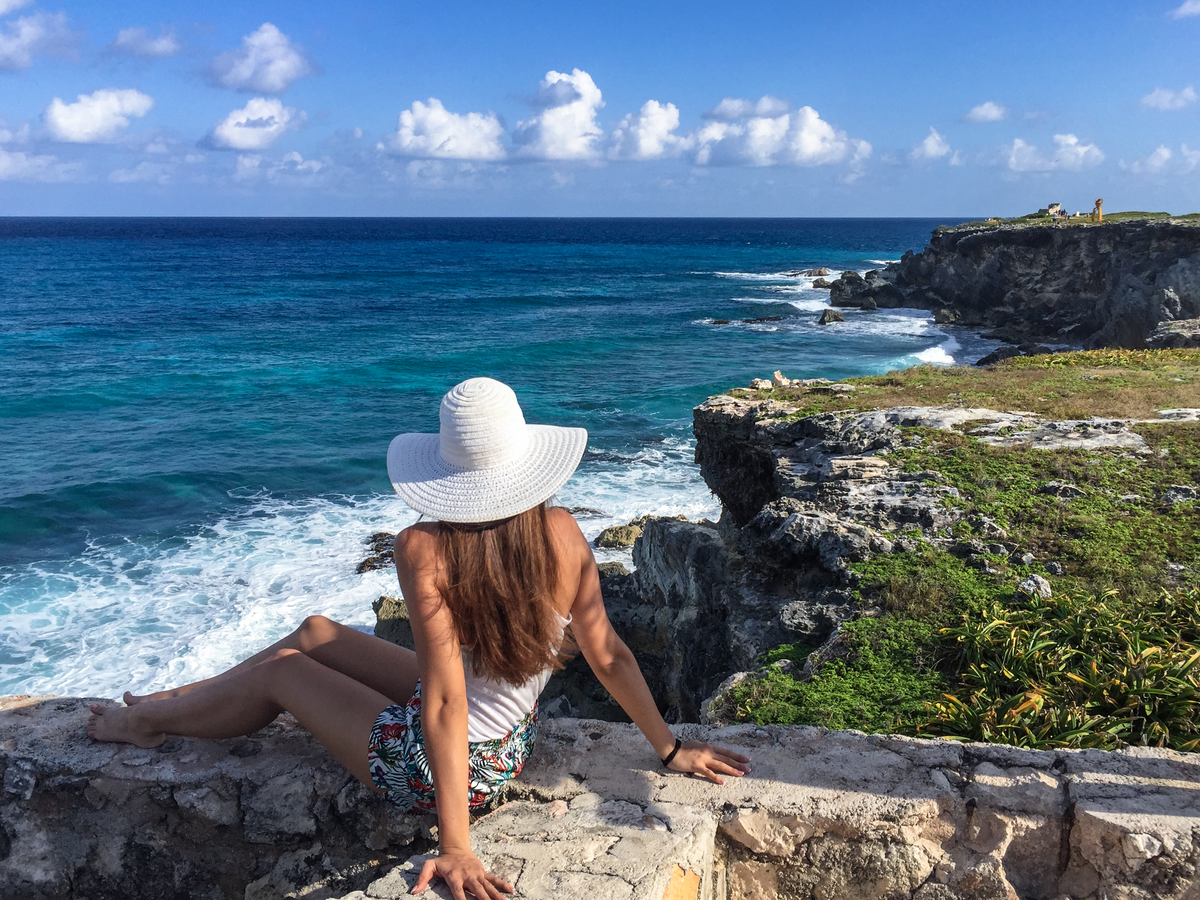
Golf Cart the Island
Rent a golf cart — the primary transport on the island, from the rental stands near the ferry terminal — and drive from the north town to the southern tip: Punta Sur, a small Mayan temple on a cliff above crashing waves. The drive takes 20 minutes and passes empty Caribbean beaches.
Playa Norte — Caribbean Dream
Playa Norte at the island's northern tip is a Caribbean beach in its purest form: calm crystal water, white sand, and swaying palms. Buho's beach bar serves cold cocktails in the water. This is the beach postcard.
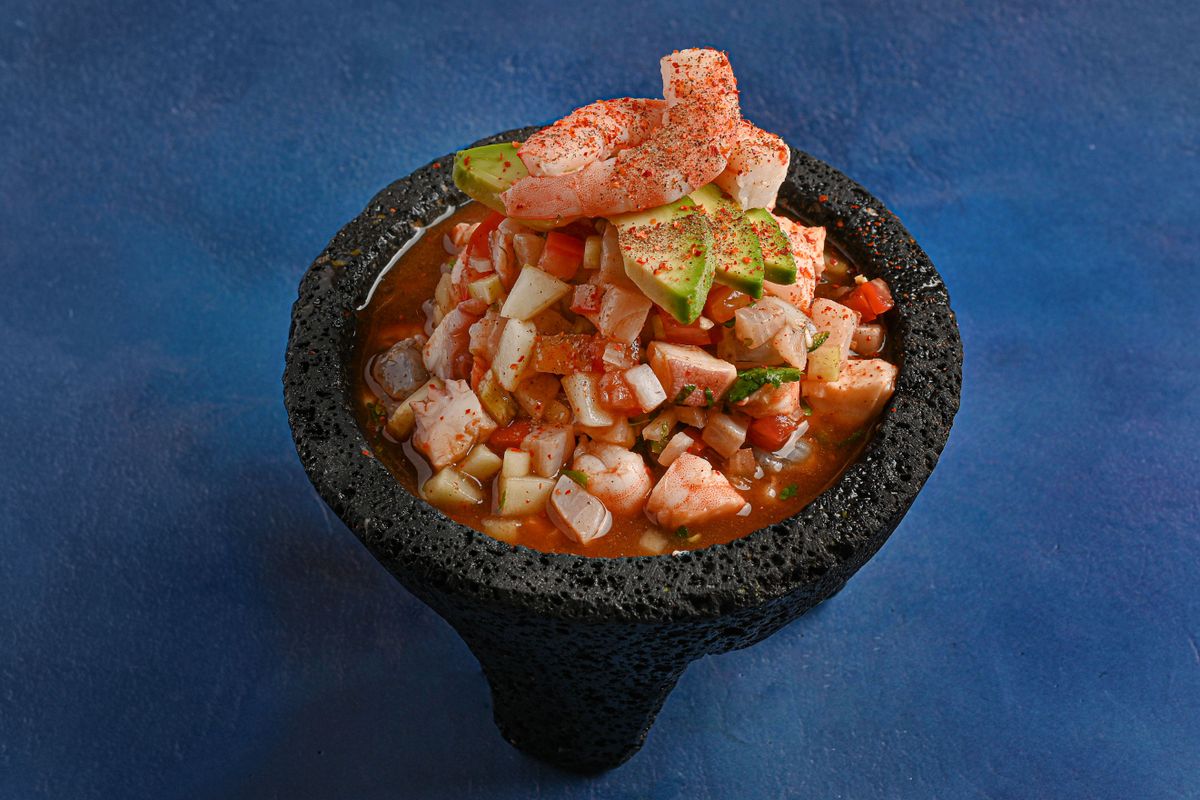
Waterfront Ceviche Lunch & Town Wander
The island town is tiny and colourful — walk the main pedestrian street for fresh fish tacos and ceviche. Javi's Cantina is an island institution for fresh seafood, and Sunset Grill on North Beach does sea-view sunsets. Catch the late ferry back to Cancún.
Day 3: Chichén Itzá — The Wonder of the World
Leave by 7am to beat the tour groups
Drive or Bus to Chichén Itzá
ADO buses depart Cancún bus terminal early in the morning — book seats a day ahead. Self-drive is 2 hours on the toll road (Cuota highway, far faster than the libre). Arrive at the site opening (8am) to beat the massive tour groups that arrive by 10am.
El Castillo, the Ball Court & the Sacred Cenote
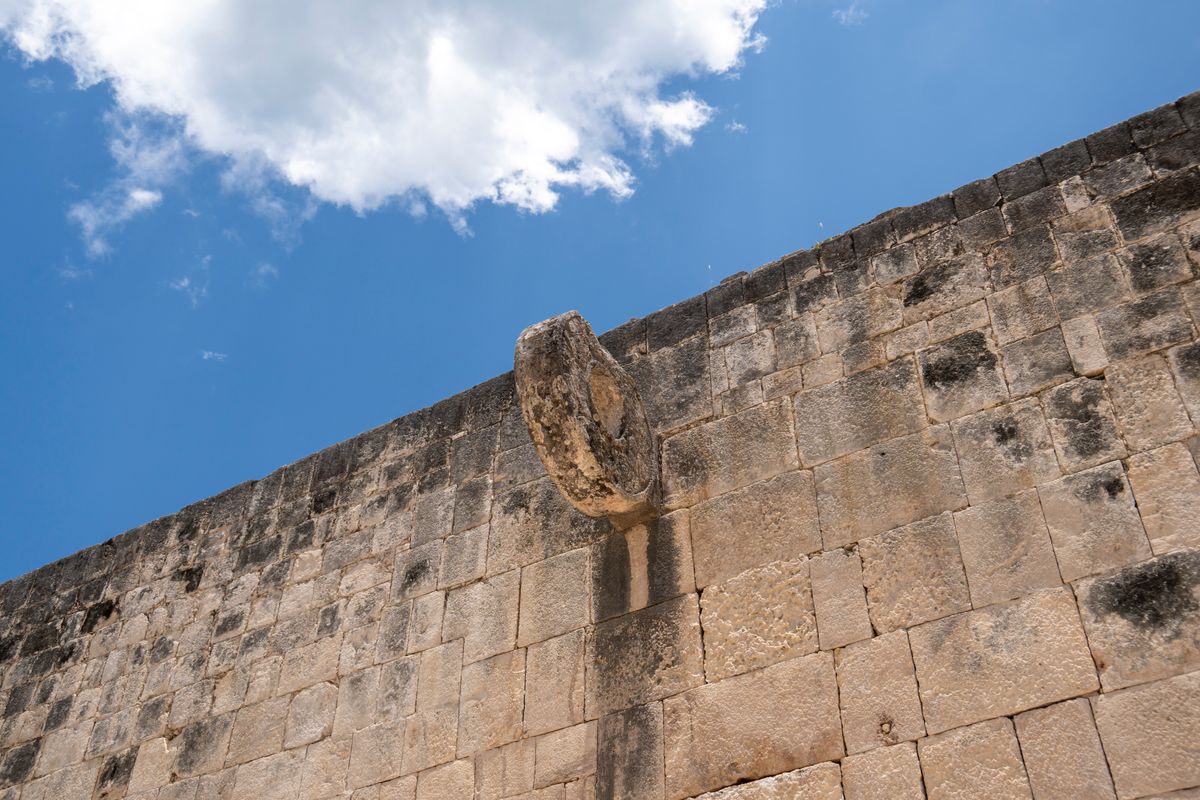
Chichén Itzá is one of the New Seven Wonders of the World. The Pyramid of Kukulkán (El Castillo) is astonishing in person — 30 meters tall, perfectly aligned with the equinox. The Great Ball Court (the largest in Mesoamerica) and the Sacred Cenote round out the must-sees. Budget 4 hours.
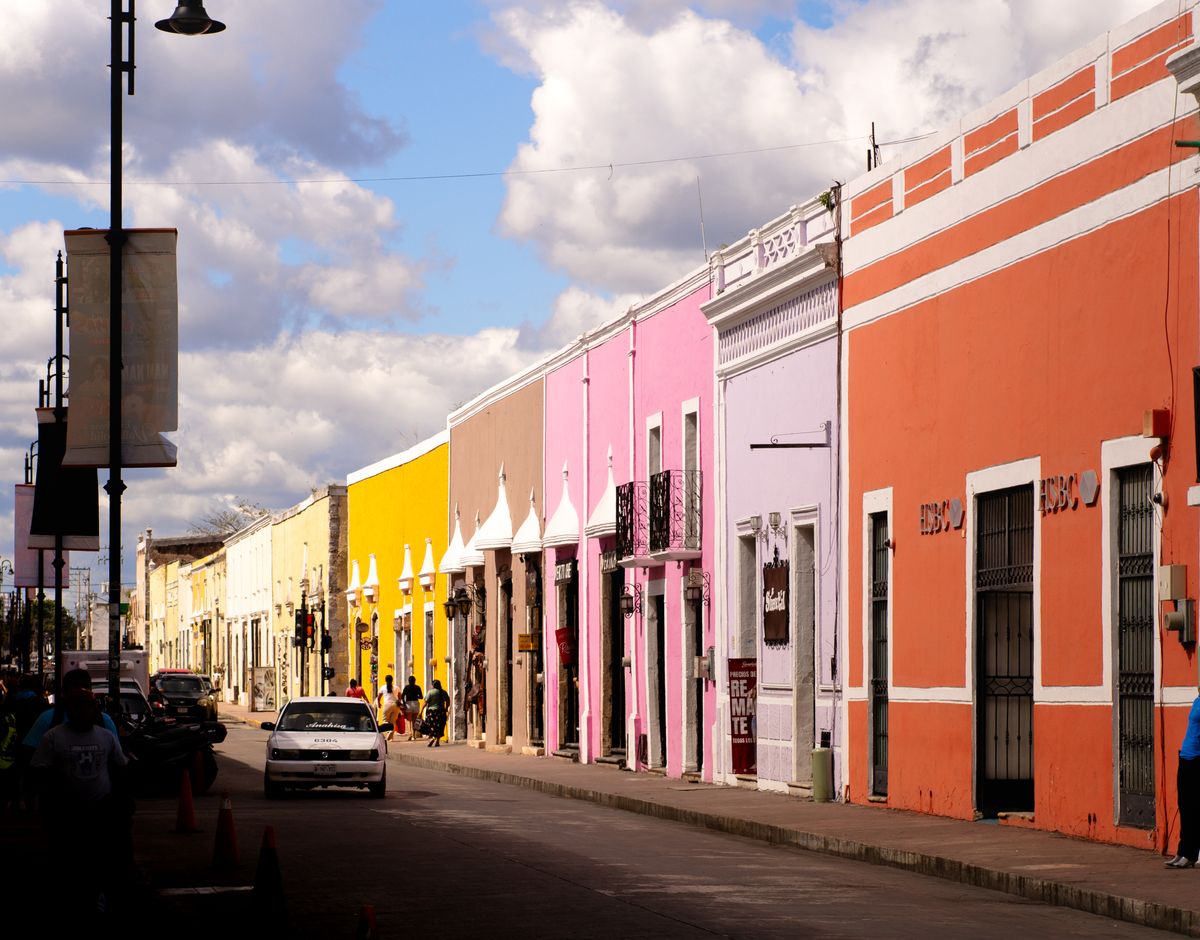
Valladolid Colonial Town
On the way back, stop 45 minutes at Valladolid — a beautifully preserved colonial city 40km from Chichén Itzá. Cenote Zaci is within the city and swimmable. The central plaza and Convent of San Bernardino are lovely.
Day 4: Cenote Swimming
Underground freshwater pools in collapsed limestone caves
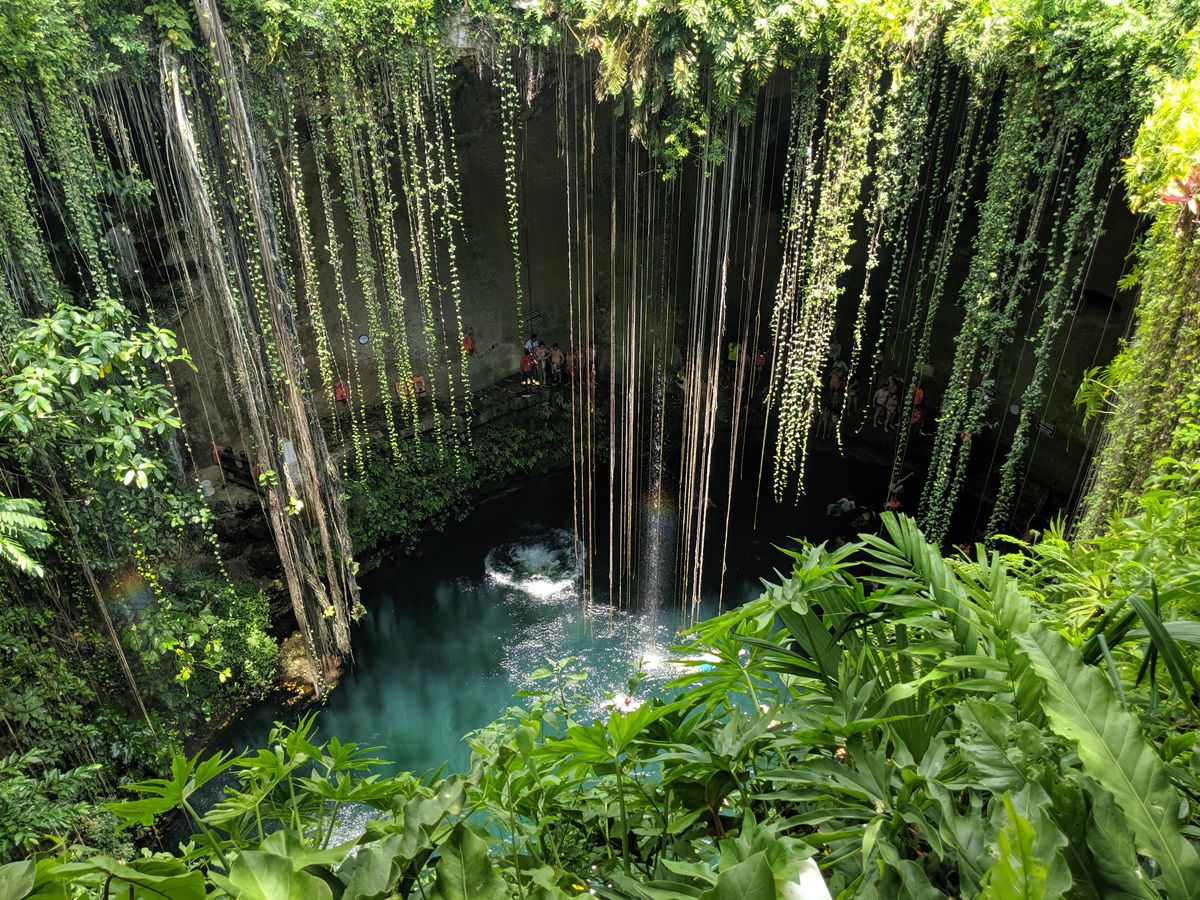
Cenote Ik Kil or Cenote Dos Ojos
Cenote Ik Kil (near Chichén Itzá, about 2 hrs from Cancún) is a dramatic open-sky cenote — you descend a carved stairway and jump from platforms into deep crystal-blue water fringed by hanging vines. Cenote Dos Ojos (near Tulum) is a cavern cenote for snorkeling and cave diving. Both are extraordinary. Book early.

Cenote Suytun (Valladolid)
Cenote Suytun is a semi-open cavern cenote with an iconic stone walkway leading to a central platform lit by a single shaft of light from above. The Instagram photo is everywhere — but the reality is even better. Entry is charged on site; check current prices.
Beachfront Dinner — Hotel Zone
After a physically active day, end with a proper dinner back in the Hotel Zone. The Lorenzillo's restaurant on the lagoon or El Fish Fritanga (fried fish, Yucatan-style) are excellent choices.
Day 5: Tulum Ruins & Cobá Pyramid Climb
2.5 hours south — the best combined ruins day trip
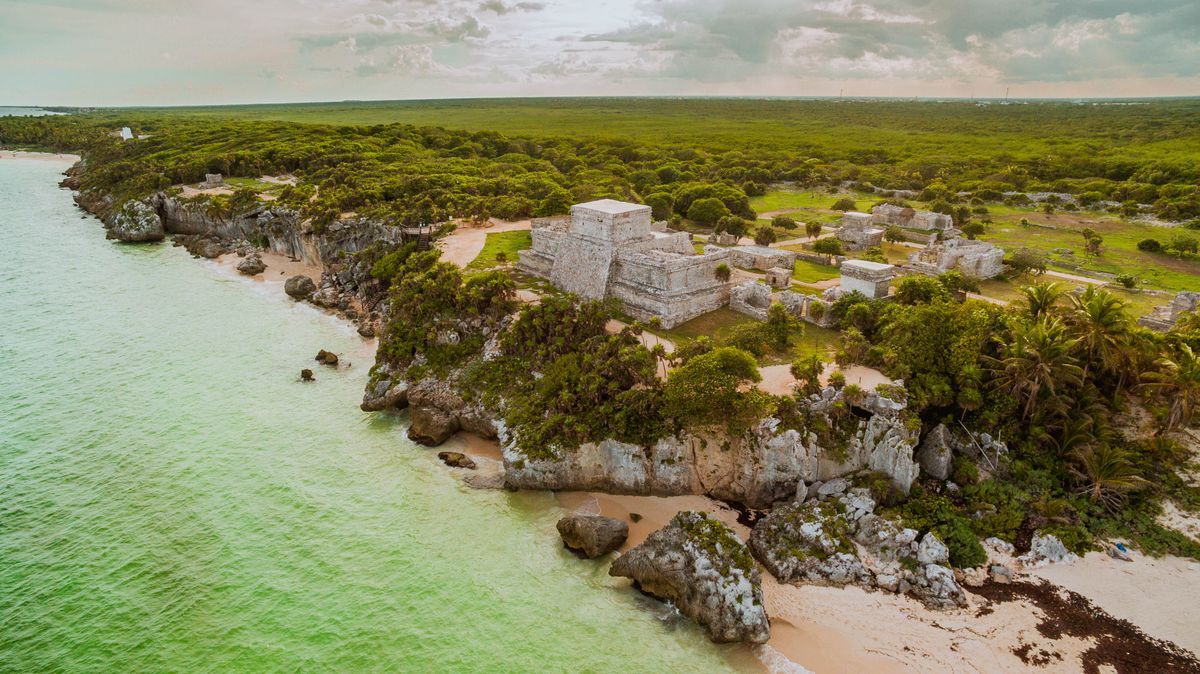
Tulum Archaeological Zone
Tulum's ruins are the only Mayan walled city built directly above the Caribbean Sea. The cliff-top El Castillo temple overlooking turquoise water is one of the most photographed sites in Mexico. Access is now through the Parque del Jaguar entrance (near the Tren Maya station) — arrive at 8am when it opens, because by 10am the crowds are enormous.
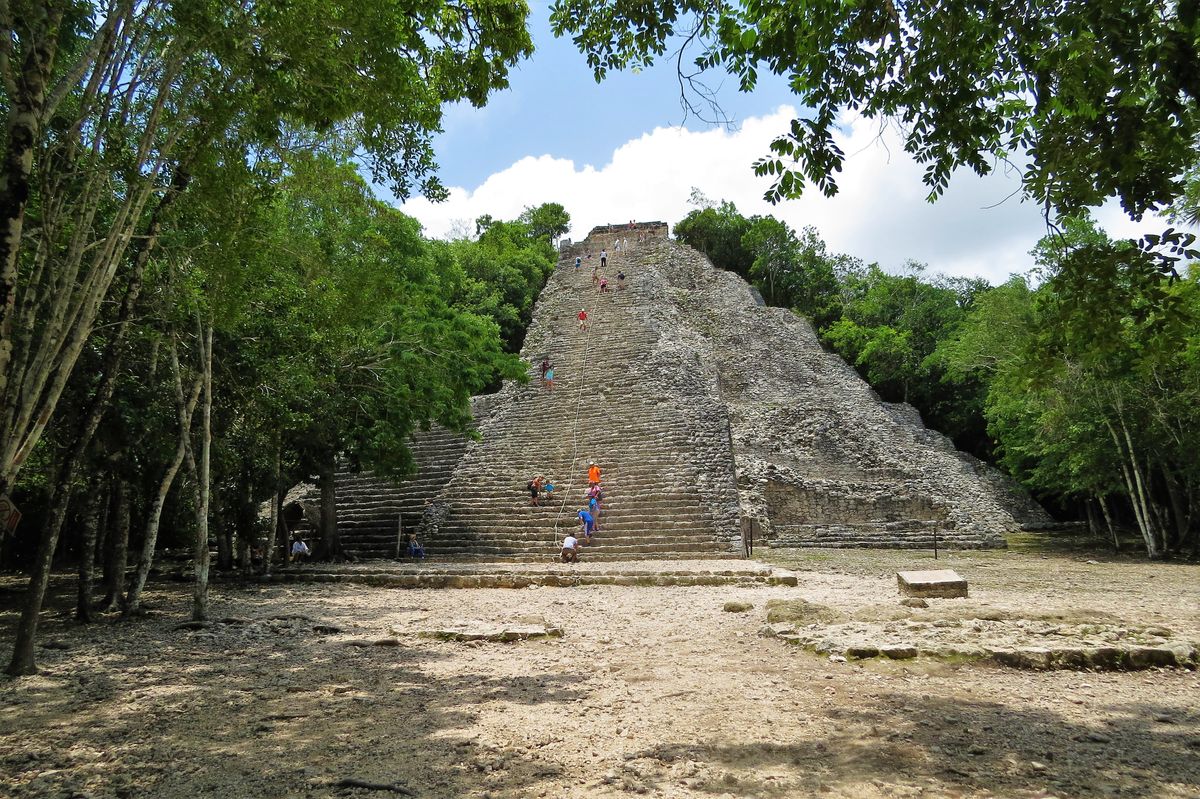
Cobá — Climb the Nohoch Mul Pyramid
One of the tallest Mayan pyramids in the Yucatán at 42 meters, Nohoch Mul reopened to climbers in late 2025 after a five-year closure — a new wooden stairway now covers the ancient steps, and access is in small timed groups (unlike Chichén Itzá, where climbing is banned). The view from the top over the jungle canopy is extraordinary. Cobá is 45 minutes northwest of Tulum.
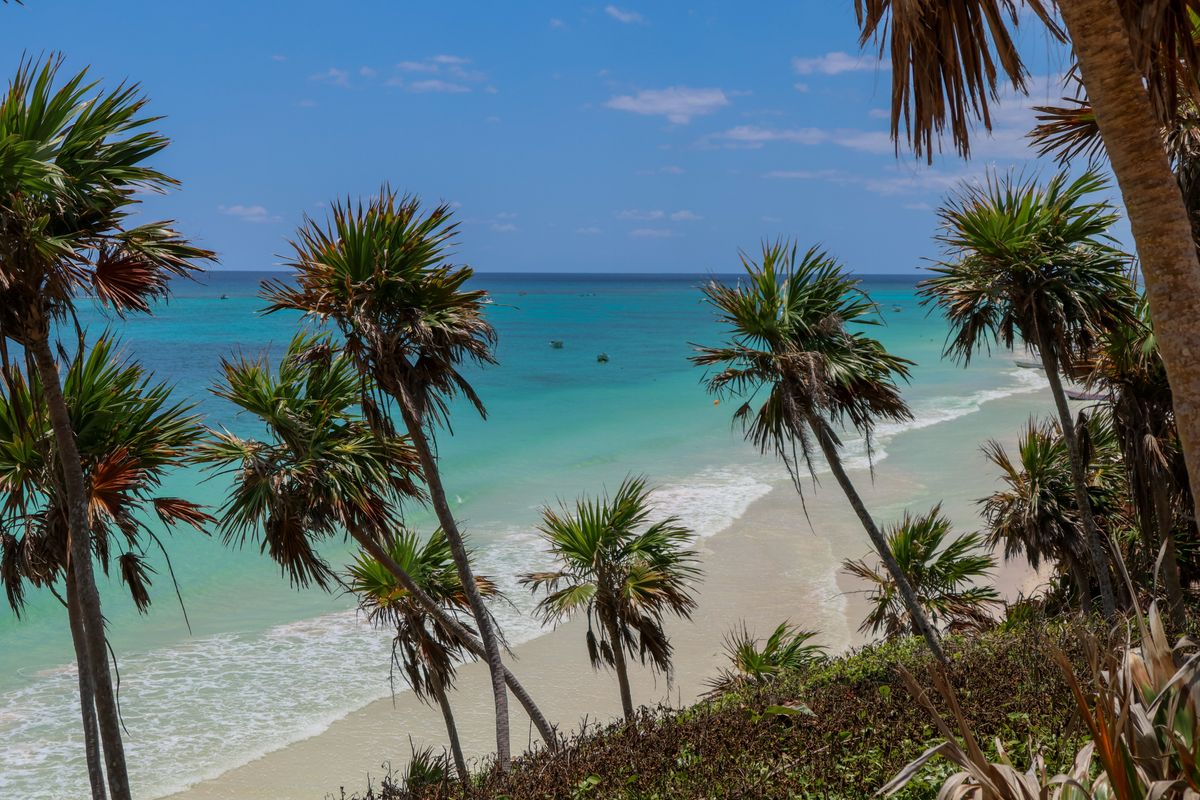
Tulum Town Beach Club
Tulum's beach road ('Tulum Beach') has excellent beach clubs — Papaya Playa, Sanara, or the public beach at the end of the road. The water here is calmer than Cancún. A perfect afternoon recovery before the drive back.
Day 6: Snorkeling the Mesoamerican Reef
The second-largest coral reef in the world
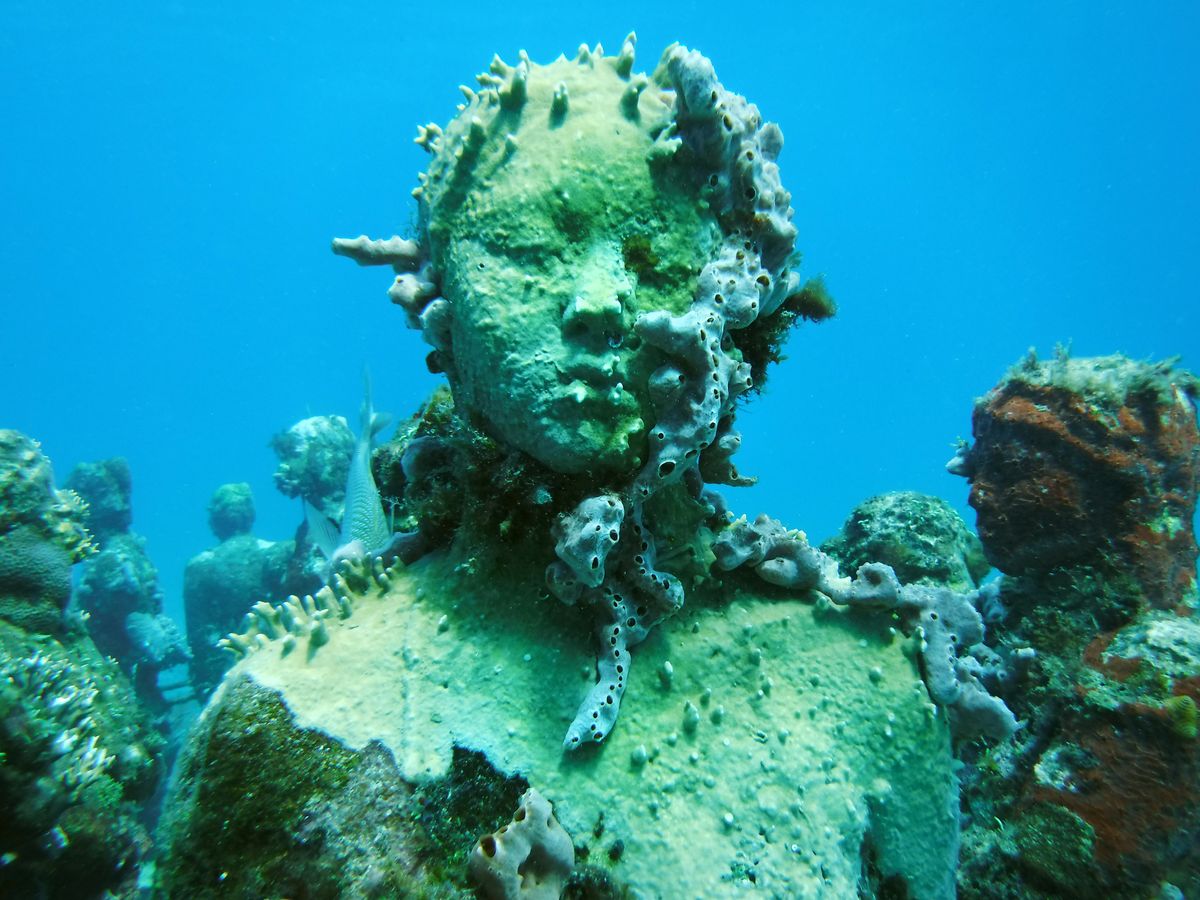
MUSA Underwater Museum & Reef Snorkeling
The Museo Subacuático de Arte (MUSA) has around 500 life-size sculptures submerged in the sea off Punta Nizuc and Isla Mujeres (Manchones reef) — the coral has grown over the figures over 15+ years. Many snorkeling and dive tours include MUSA plus the reef. Book through your hotel or at Puerto Juárez.
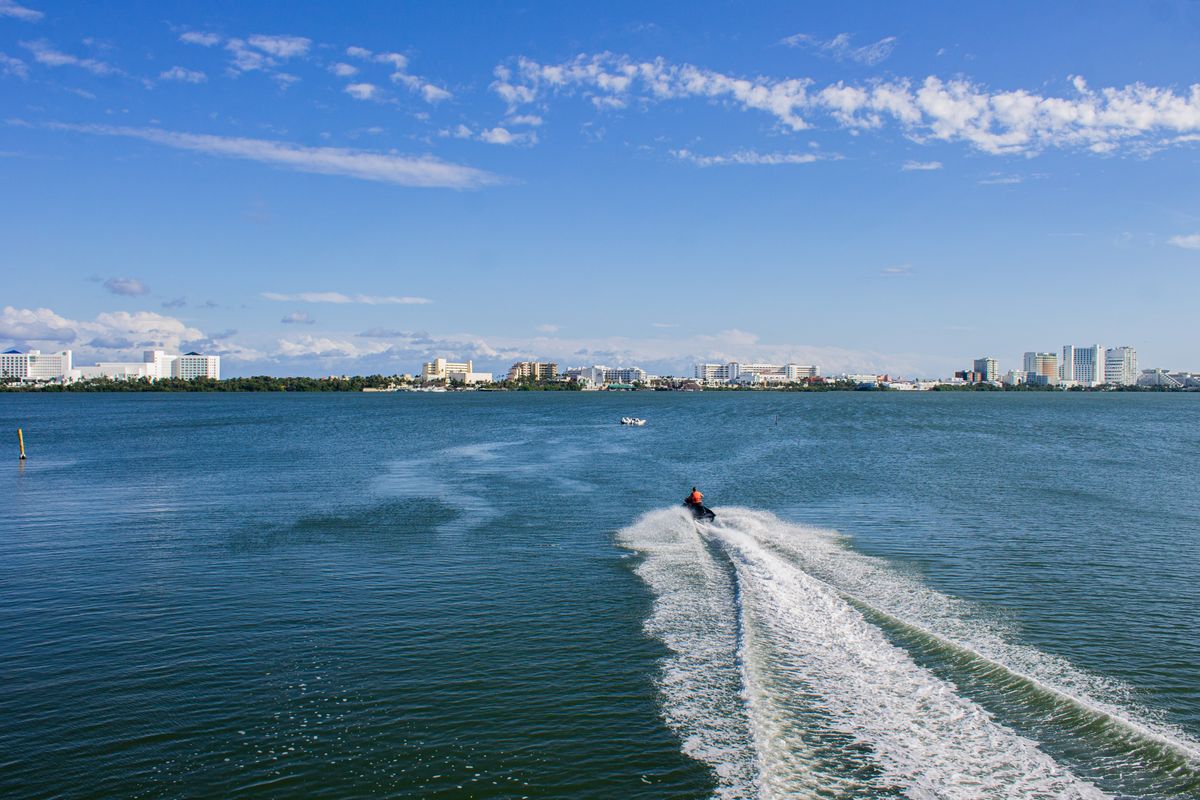
Playa Tortugas & Jet Ski
Playa Tortugas (in the Hotel Zone) is the water sports hub — parasailing, jet skis, and banana boats. The jet ski tour circling the Hotel Zone peninsula takes 45 minutes and gives you the full resort panorama from the water.

Señor Frog's & Hotel Zone Nightlife
If you want the full Cancún experience, the Hotel Zone's Señor Frog's and Coco Bongo are the famous (if touristy) nightlife stops. For something more local and atmospheric, La Destilería (tequila bar) or Harry's are better options.
Day 7: Final Beach Morning & Departure
Last Caribbean swim before flying home
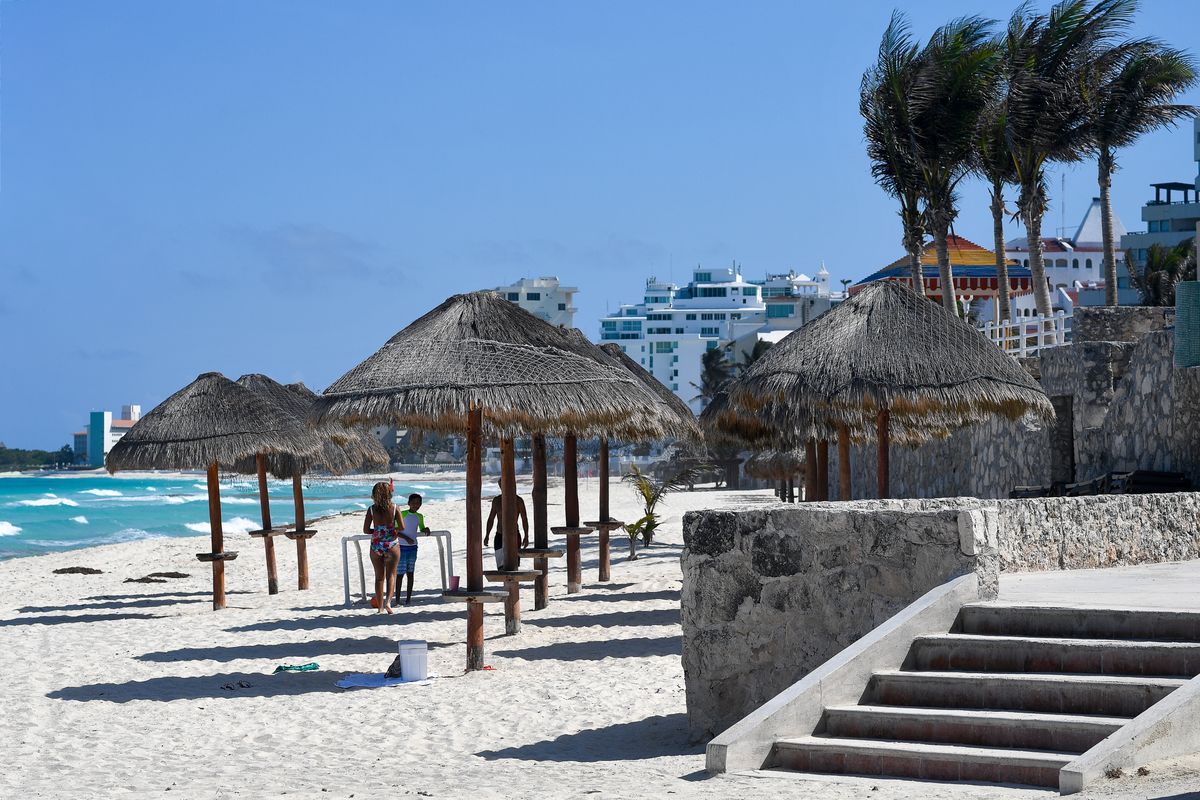
Final Beach Session
Spend your last morning at whichever beach you loved most — Playa Delfines for the waves, or Playa Norte on Isla Mujeres if you're taking an early ferry. Buy handmade crafts at the Coral Negro market on the way back to the hotel.
CUN Airport Departure
Cancún Airport (CUN) is 25 minutes from the Hotel Zone. Check in 3 hours before international flights. ADO runs a limited Hotel Zone–airport route with a few stops along Boulevard Kukulcán (departures are infrequent — check the schedule); otherwise pre-book a transfer or taxi, or take the R-1 downtown and the frequent airport bus from the ADO terminal.
Interactive Route Map
Cancún is your base all week — the map shows how far each day trip reaches: the ferry hop to Isla Mujeres, the inland run to Chichén Itzá and the Valladolid cenotes, and the coastal drive south to Cobá and the Tulum ruins.
- 1
Cancún Hotel Zone
Base: Playa Delfines, MUSA reef & nightlife
- 2
Isla Mujeres
Day 2: ferry, golf carts & Playa Norte
- 3
Chichén Itzá
Day 3: El Castillo & the Sacred Cenote
- 4
Valladolid
Days 3–4: colonial town & Cenote Suytun
- 5
Cobá
Day 5: climb the Nohoch Mul pyramid
- 6
Tulum
Day 5: clifftop ruins & beach clubs
Frequently Asked Questions
Is Cancún safe for tourists?
The Hotel Zone is one of the safest tourist areas in Mexico — heavily policed and specifically maintained for tourism. Downtown Cancún is safe during the day for shopping and eating. As with all Mexico travel, use common sense late at night and avoid unlicensed taxis.
What is sargassum and should I worry about it?
Sargassum is brown seaweed that drifts onto some Caribbean beaches, particularly May–October. Some Hotel Zone beaches get heavy accumulation; others (like Playa Delfines) are less affected. Check live sargassum maps and hotel beach webcams for current conditions before booking specific beachfront hotels.
Should I do an all-inclusive resort?
All-inclusives simplify budgeting and are great for beach relaxation days. However, they can limit your exploration of local food. A hybrid approach — all-inclusive hotel but book your own day trips — often works best for a week-long trip.
Is Chichén Itzá worth the full day trip?
Absolutely. It's one of the New Seven Wonders of the World and genuinely impressive in person. The key is arriving at 8am when the site opens and leaving by noon before the tour buses peak. Combine it with Valladolid on the way back.
Make this plan your own
Copy this plan into your account in one click — keep the original for reference and edit your copy any way you like.
Sign in once to save and edit your own copy.