

Tokyo 7-Day Itinerary for First-Time Visitors
One week in the world's biggest city.
Tokyo rewards contrast: begin with Asakusa's temple approach and the forest around Meiji Shrine, then switch to Shibuya's crowds, Akihabara's electric glow and immersive digital art. Keeping one Tokyo hotel for the week makes those changes of scene easier to absorb.
Two day trips round out the first visit. Hakone adds Lake Ashi and a weather-dependent chance of Mount Fuji views, while Kamakura brings the Great Buddha before an evening return to Tokyo.
Best time: Late March–early April is associated with cherry blossom season, while October–November brings autumn color and generally mild conditions. Bloom timing varies, so confirm the latest seasonal guidance with the Japan National Tourism Organization.
- Get a Suica or PASMO IC card for everyday rail and metro travel.
- A nationwide Japan Rail Pass is usually not worthwhile for a Tokyo-only week with these two day trips.
- Use Google Maps for train routing and remember that trains stop at roughly midnight.
- Keep voices low on trains and avoid phone calls while riding.
- Avoid eating while walking; pause somewhere appropriate instead.
- At shrines and temples, bow respectfully and use the purification font before approaching the main area.
Where to Stay
Keep one Tokyo base for all seven nights
Where to Stay
Keep one Tokyo base for all seven nights
Shinjuku
A major transit hub with easy access to the first evening's nightlife.
Shibuya
A central, youthful base close to the Day 3 neighborhoods.
Tokyo Station / Marunouchi
A business-district base that suits travelers prioritizing the two day trips.
Asakusa
A more traditional-feeling base that can be cheaper than the major western hubs.
Official links
Confirm current access, tickets, schedules and venue details before travel
Official links
Confirm current access, tickets, schedules and venue details before travel
Official destination planning
National and city guidance for planning and seasonal updates.
Asakusa, Skytree and Meiji Shrine
Official visitor information for the first Tokyo sightseeing days.
Digital art and Shibuya
Check the venue, timed entry and observation-deck details before booking.
Hakone, Kamakura and Tokyo Tower
Official rail, temple and tower information for the later days.
Budget Snapshot
Getting Around
7-Day Itinerary Breakdown
Day 1: Arrival & Shinjuku after dark
Base: Tokyo — settle in, keep the first outing light and finish in Shinjuku
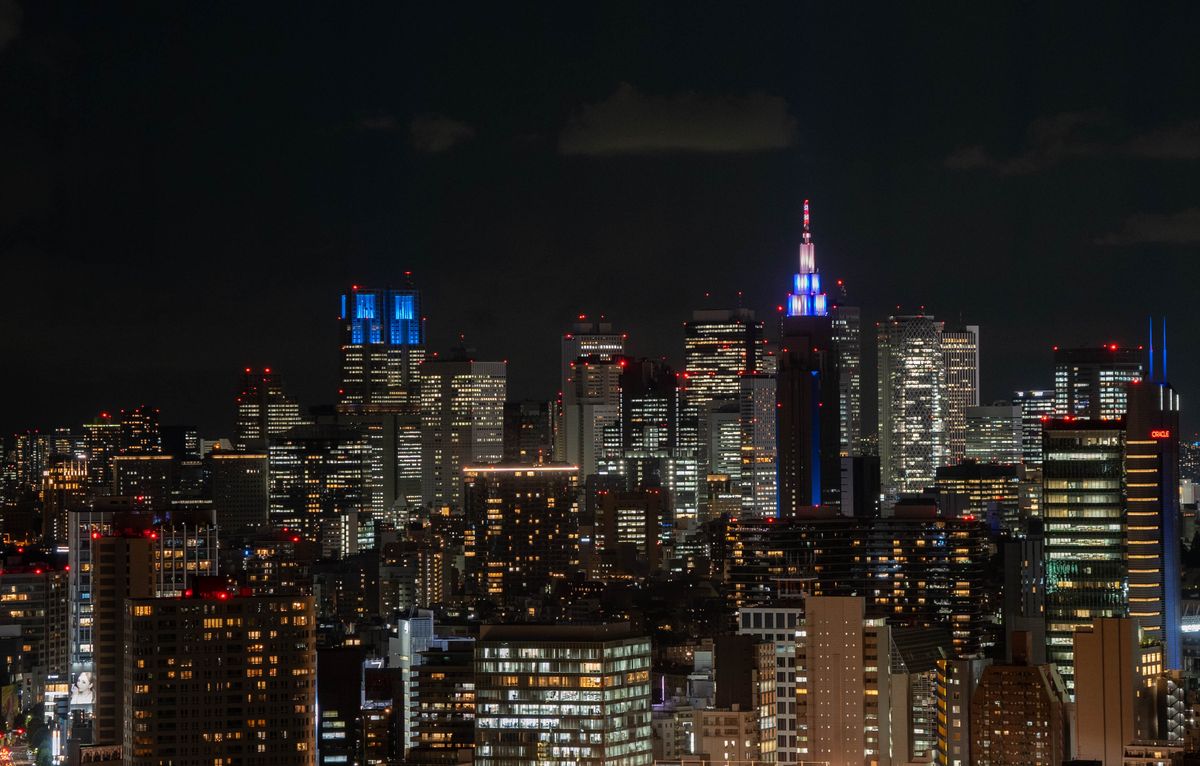
Arrive at Haneda/Narita, train into the city & pick up a Suica/PASMO IC card
Take the train from your arrival airport to the Tokyo hotel, then collect or set up a Suica or PASMO IC card for the week's local rail and metro trips.
Sunset over the city from the free Tokyo Metropolitan Government observation decks
Keep the first sightseeing stop simple with the free city viewpoint around sunset. Confirm current access details through the official Tokyo visitor guide before setting out.
Shinjuku after dark: Omoide Yokocho & Kabukicho
Walk through Shinjuku after dark, using Omoide Yokocho and Kabukicho as the focus of a flexible first-night wander with no attraction booking required.
Day 2: Asakusa & the Skytree (old Tokyo)
Base: Tokyo — temple approach, observation deck and a riverside finish


Senso-ji temple & Nakamise-dori
Begin at the Kaminarimon gate, continue along Nakamise-dori and visit Senso-ji. The temple visit is free; use the official temple site for current visitor guidance.
Tokyo Skytree observation decks
Move from Asakusa to the Tokyo Skytree observation decks for the day's paid viewpoint. Confirm the current ticket choices and access details on the official site before booking.
Sumida riverside walk back
Finish with an unbooked walk beside the Sumida, keeping the pace flexible after the temple and observation-deck visits.
Day 3: Harajuku, Meiji & Shibuya
Base: Tokyo — forested shrine, Harajuku streets and a Shibuya finale


Meiji Shrine & its forest
Start beneath the large torii and follow the forested approach to Meiji Shrine. The shrine visit is free; observe the purification and quiet-conduct etiquette described in the practical notes.
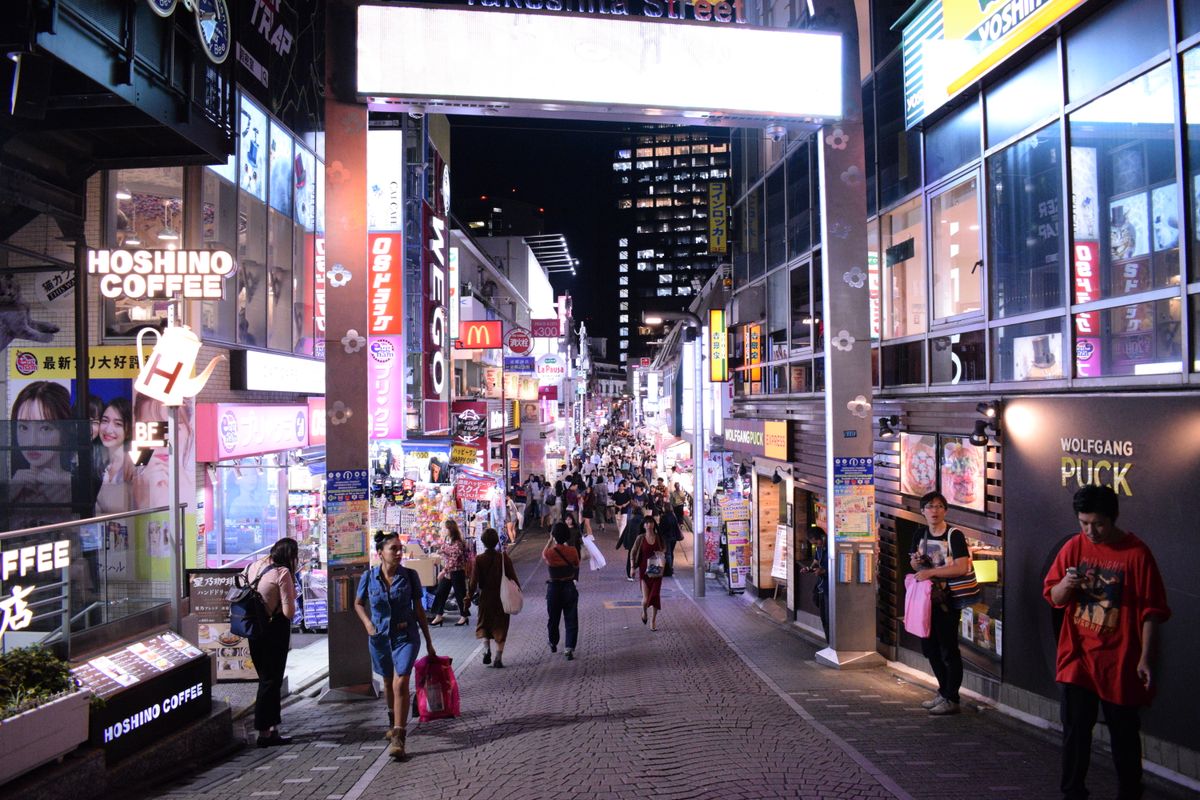
Takeshita Street, Harajuku
Continue into Harajuku for the shops and crowds of Takeshita Street. This is a free neighborhood walk, so leave room to pause or change course when it feels busy.
Shibuya Scramble Crossing & Shibuya Sky
Watch the free Scramble Crossing, then use a separately booked Shibuya Sky entry for the paid rooftop portion of the stop. Confirm current entry details on the official site.
Day 4: Day trip — Mount Fuji & Hakone
Tokyo → Hakone → Tokyo — keep a cloudy-day backup because Fuji visibility depends on the weather
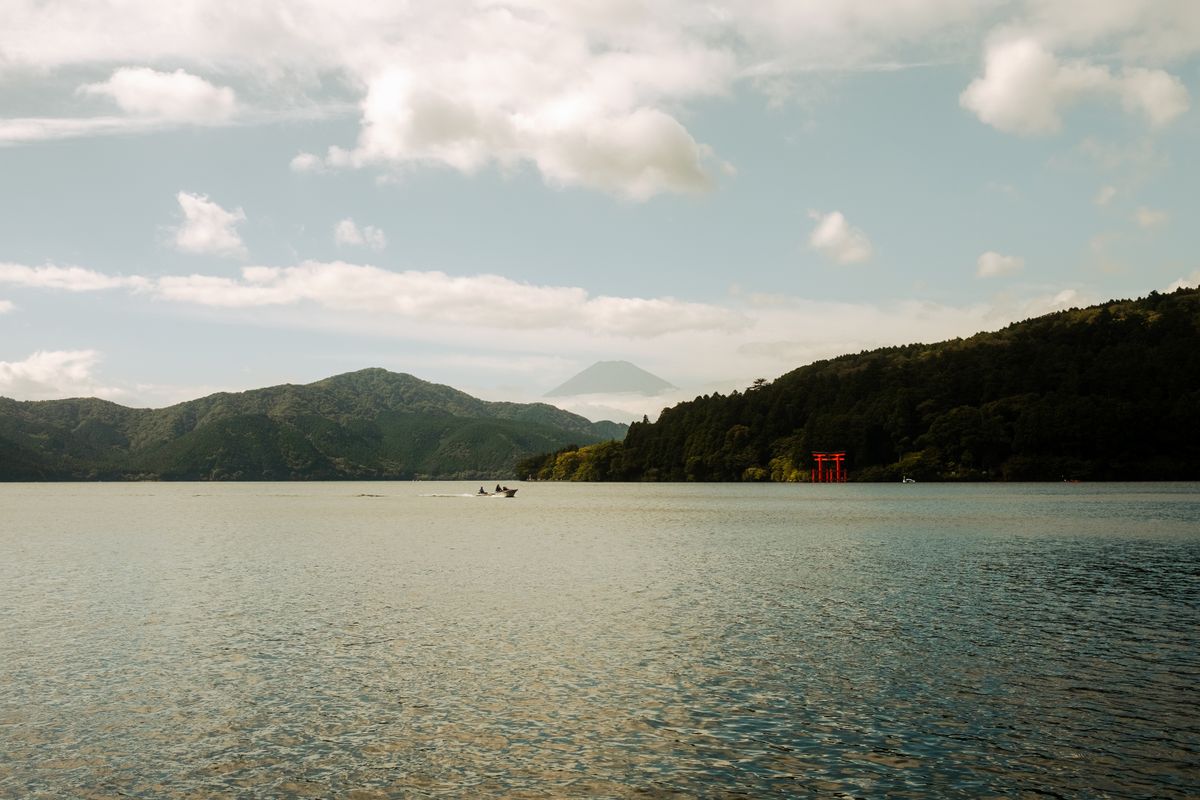
Rail to Hakone (Odakyu line / Romancecar)
Travel from Tokyo toward Hakone using the Odakyu line or Romancecar option. Confirm the current rail choice and reservation details on Odakyu's official English site.
Lake Ashi, the Hakone Shrine torii & Fuji views (guided day tour option)
Use Lake Ashi and the Hakone Shrine torii as the day's anchors, with a guided Mount Fuji and Hakone tour available for travelers who prefer a structured outing. Fuji visibility is weather-dependent, so keep the day worthwhile even if the mountain stays hidden.
Day 5: Tsukiji, the Imperial Palace & teamLab
Base: Tokyo — market breakfast, palace scenery and a timed-entry digital-art visit
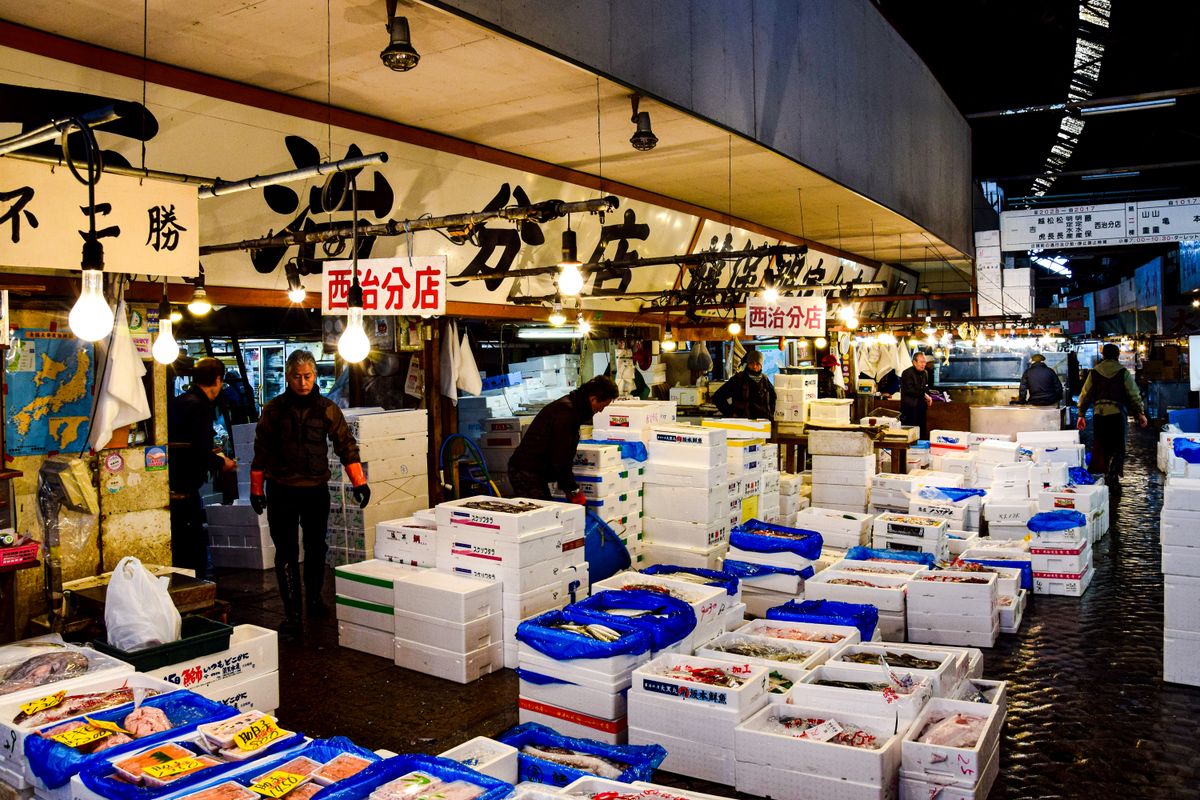
Tsukiji Outer Market breakfast (guided food walk option)
Browse the market independently for breakfast, or choose a guided food walk for added context. The market itself is free to wander, so the tour remains optional.

Imperial Palace East Gardens & Nijubashi
Continue to the Imperial Palace area for the East Gardens and the Nijubashi bridge view. The grounds and garden portion in this plan is free; confirm current access through official Tokyo guidance.
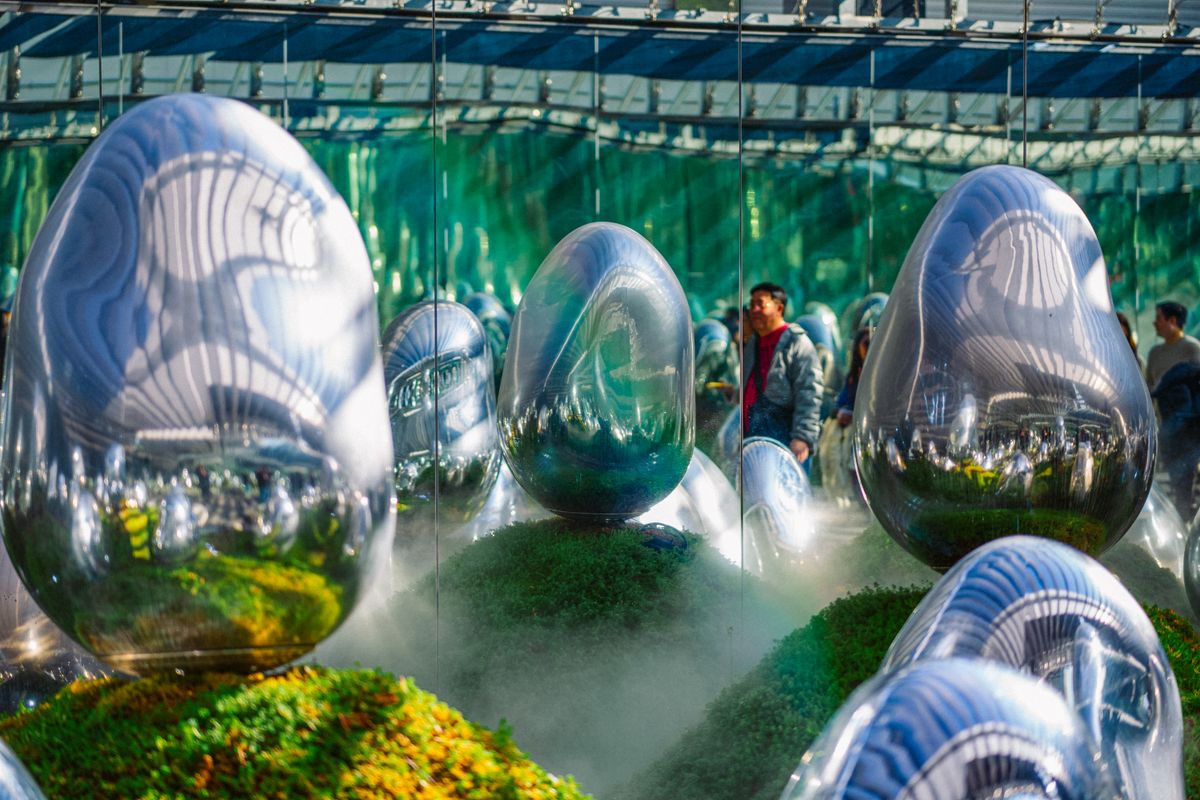
teamLab immersive digital-art museum
Use a timed-entry booking for the paid teamLab visit. Tokyo has two venues — Planets in Toyosu and Borderless in Azabudai — so confirm which venue you are booking on the official site.
Day 6: Day trip — Kamakura, then Tokyo Tower
Tokyo → Kamakura → Tokyo — temple stops before a final nighttime skyline
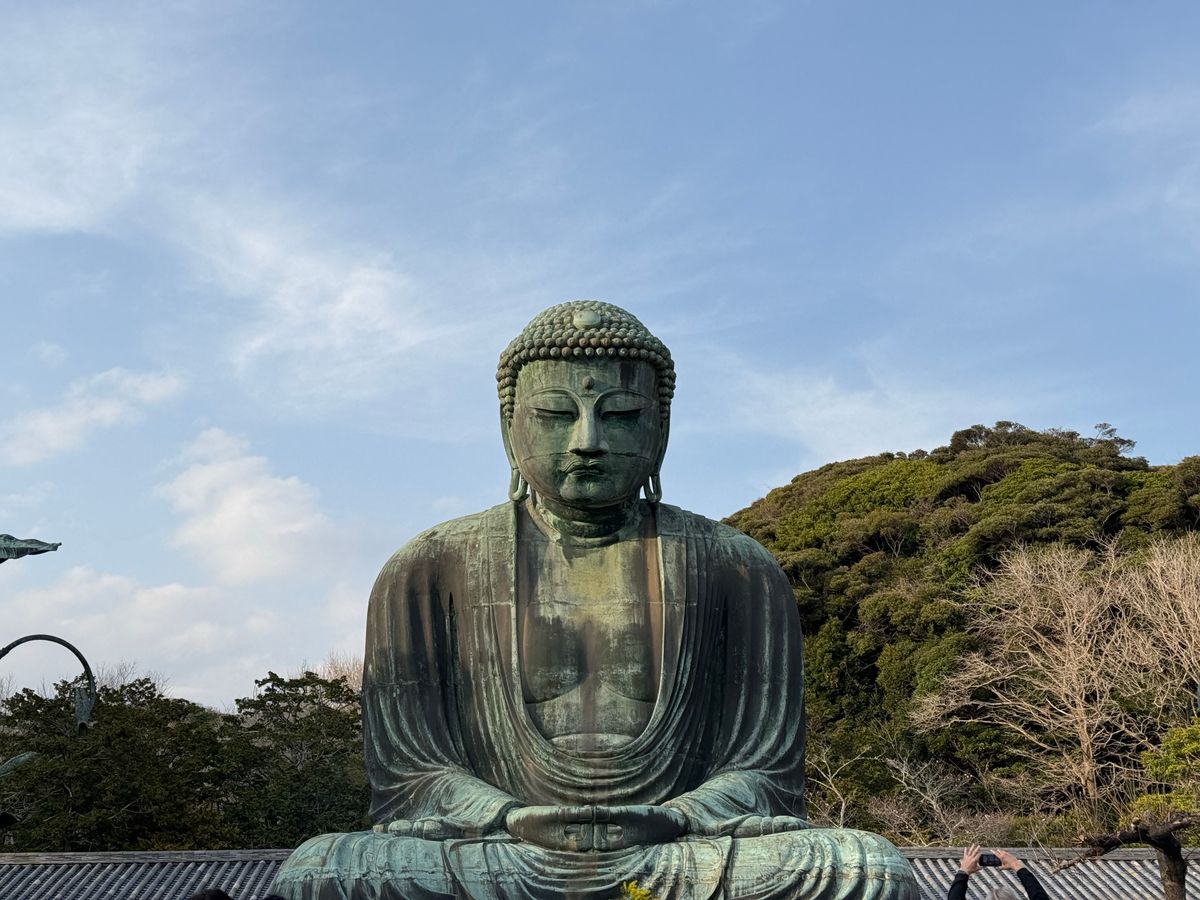
The Great Buddha of Kamakura (Kotoku-in)
Begin the Kamakura day at Kotoku-in for the bronze Great Buddha. The temple has a small admission charge; confirm the current visitor details on Kotoku-in's official site.
Hasedera & Komachi-dori before the train back
Continue with Hasedera and Komachi-dori, then return by train to Tokyo. Keep this section flexible enough to protect the evening stop after the day trip.

Tokyo Tower after dark
Finish back in Tokyo at the tower's paid observation deck after dark. Confirm current ticket and access details on the official Tokyo Tower site before booking.
Day 7: Akihabara & departure
Base: Tokyo — a final neighborhood stop followed by a protected airport buffer
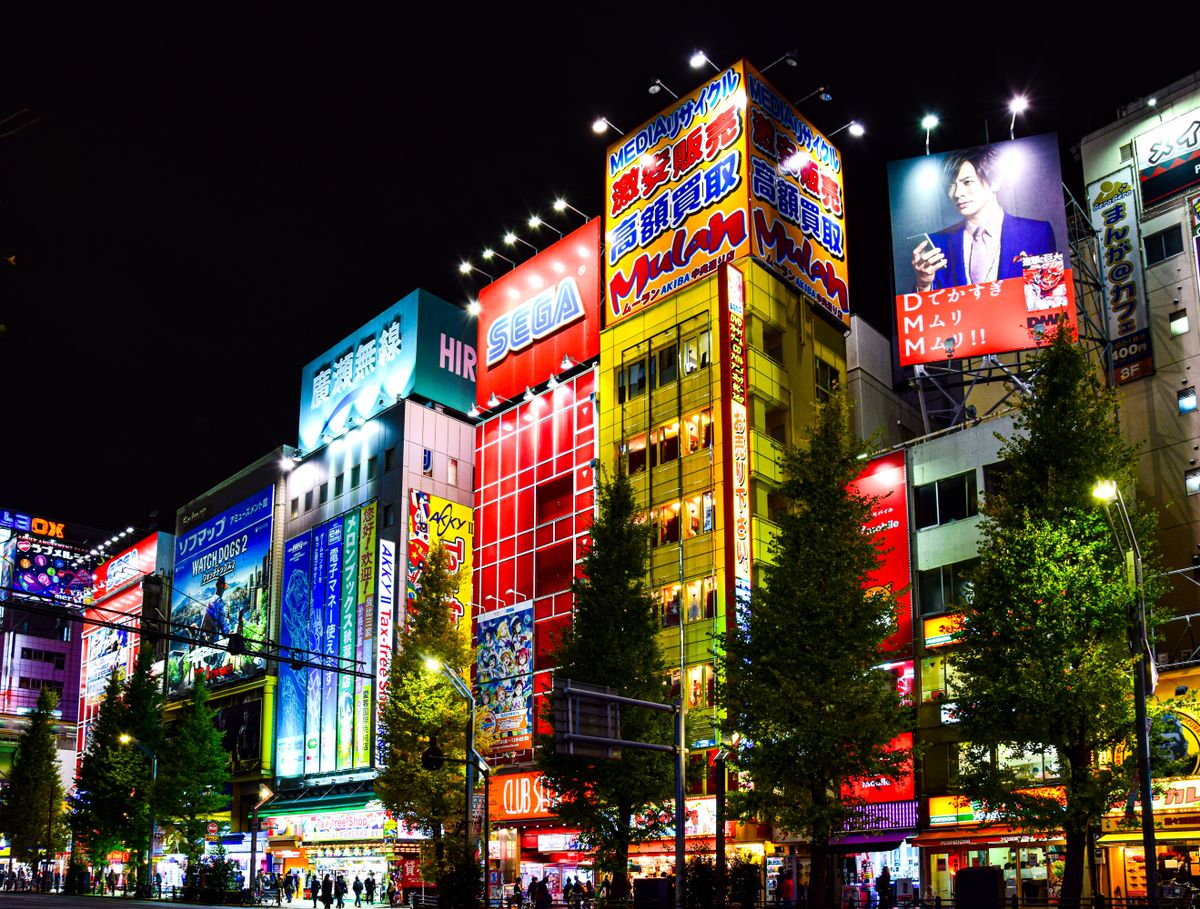
Akihabara 'Electric Town' — last-minute electronics & anime
Use the final city stop for Akihabara's electronics and anime shops. This is a free neighborhood wander, with purchases left entirely to your own plans.
Train to the airport (leave 3+ hours before an international flight)
Collect your luggage and take the train to the airport, leaving at least three hours before an international flight so the final transfer is not compressed.
Tokyo, Hakone and Kamakura route overview
Seven master-image anchors trace five Tokyo days and two rail day trips, with the same Tokyo hotel used throughout the week.
- 1
Shinjuku
Arrival day and the first Tokyo night
- 2
Tokyo Skytree
Asakusa and old Tokyo
- 3
Shibuya Scramble Crossing
Meiji Shrine, Harajuku and Shibuya
- 4
Lake Ashi, Hakone
Mount Fuji and Hakone day trip
- 5
teamLab
Tsukiji, the Imperial Palace and digital art
- 6
Great Buddha of Kamakura
Kamakura day trip before Tokyo Tower
- 7
Akihabara
Electric Town and departure day
Frequently Asked Questions
How many days do you need for Tokyo?
A week is a comfortable first visit when you want both Tokyo neighborhoods and two day trips. This plan uses five Tokyo-focused days plus Hakone and Kamakura while keeping one hotel base throughout.
Is the Japan Rail Pass worth it for a Tokyo-only trip?
Usually not. A Suica or PASMO IC card is a better fit for everyday travel on this Tokyo-based itinerary; a nationwide pass generally makes more sense only when a trip includes substantial long-distance shinkansen travel.
Do I need to speak Japanese in Tokyo?
No. Transit and major visitor signage are English-friendly, and a translation app can help with menus or more detailed conversations.
When is the best time to visit Tokyo?
Spring blossom season and autumn foliage are popular choices, while summer is hot and humid. For this plan, late March–early April or October–November are the suggested windows, but check current bloom and seasonal guidance with the Japan National Tourism Organization.
Should I choose Mount Fuji or Kamakura for a Tokyo day trip?
This seven-day plan includes both. Choose Hakone for Lake Ashi and a weather-dependent chance of Mount Fuji views; choose Kamakura for the Great Buddha and temple-focused day. If time is shorter, prioritize the experience that matters more to you and remember that Fuji can remain hidden in cloudy weather.
How do I get from the airport into Tokyo?
Compare N'EX, Skyliner, Keikyu trains and the Limousine Bus based on your arrival airport and hotel location. Confirm current fares and schedules through official transport sources before choosing.
Should I carry cash or use a card in Tokyo?
Cards are widely accepted, but carry some cash as a backup and keep your Suica or PASMO IC card charged for local transport.
What should I book in advance for this Tokyo itinerary?
Prioritize teamLab's timed entry, the Tokyo Skytree, Shibuya Sky and Tokyo Tower observation decks, and any guided Mount Fuji/Hakone or Tsukiji food tour you want. Confirm current ticket details through the official links rather than relying on an old price or schedule.
Make this plan your own
Copy this plan into your account in one click — keep the original for reference and edit your copy any way you like.
Sign in once to save and edit your own copy.