

Kyoto, Osaka & Nara Itinerary: 7 Days in Japan's Kansai Region
Japan's classical heart, no Tokyo required.
In seven days this Kansai route pairs Kyoto's temples, torii tunnels and geisha lanes with a Nara day trip for the Great Buddha and the bowing deer, then finishes with Osaka's castle, neon canals and street food.
Best time: spring (cherry blossoms typically hit Kyoto in late March–early April) and autumn (foliage peaks around mid–late November) are the showpiece seasons — and the busiest; book lodging well ahead for either. Summer is hot and humid, winter quiet and cold-crisp.
- Fly into Kansai International (KIX); the JR Haruka express runs direct to Kyoto and Nankai/JR trains link KIX with Osaka.
- Base in Kyoto nights 1–4 and Osaka nights 5–6 — Nara is an easy sub-hour train day trip.
- A rechargeable ICOCA IC card covers trains, subways and buses across all three cities; a nationwide JR Pass is not needed for this all-Kansai route.
- Cherry blossoms usually reach Kyoto in late March to early April and autumn colour peaks around mid to late November.
- Both windows are spectacular and extremely busy, so reserve hotels and any guided tours months ahead, and expect queues at Kinkaku-ji and Kiyomizu-dera by mid-morning.
Where to Stay
Use Kyoto for four nights, then Osaka for two
Where to Stay
Use Kyoto for four nights, then Osaka for two
Kyoto — nights 1–4
Choose Higashiyama or Gion for atmosphere, or stay around Kyoto Station for train convenience.
Osaka — nights 5–6
Choose Namba or Shinsaibashi for Dotonbori nightlife, or Umeda for rail links and the airport trains.
Nara
Nara works as a day trip from Kyoto, so no overnight is needed.
Official links & tickets
Confirm current access, tickets and rail details on the official sites
Official links & tickets
Confirm current access, tickets and rail details on the official sites
Japan, Kyoto, Nara and Osaka planning
Use these official destination, temple, castle, museum and railway pages for current details.
Budget Snapshot
Getting Around
7-Day Itinerary Breakdown
Day 1: Arrive in Kansai & Kyoto's Higashiyama
Kansai International (KIX) → Kyoto — direct JR Haruka train and a jet-lag-friendly temple afternoon
Arrive at Kansai International & train to Kyoto
Land at KIX on Osaka Bay and take the direct JR Haruka airport express to Kyoto Station; drop your bags and start gently — the first afternoon is jet-lag friendly.
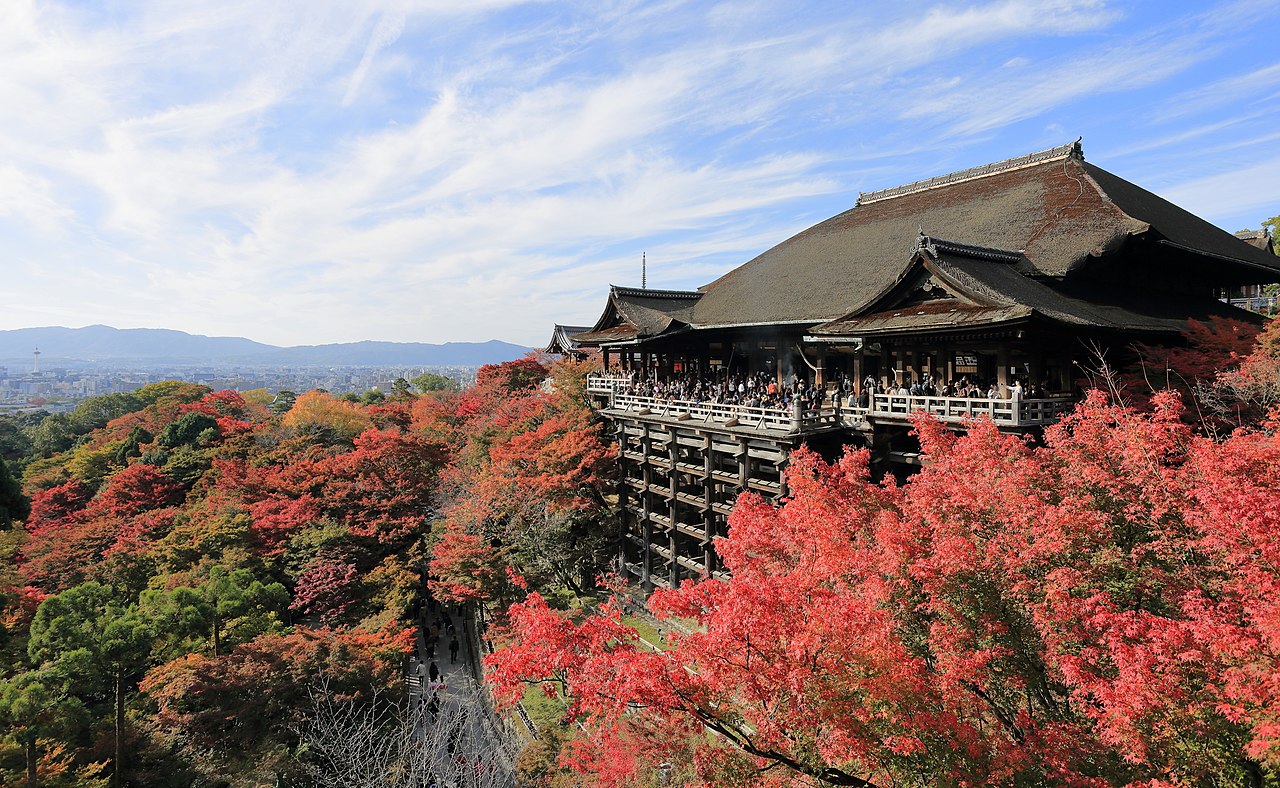
Kiyomizu-dera & the lanes of Higashiyama
Visit the ticketed UNESCO hillside temple whose famous wooden stage juts out over the maples, walk up through the preserved Ninenzaka and Sannenzaka lanes, and stay for sunset over the city.
Day 2: Fushimi Inari, the Golden Pavilion & Nijo Castle
Base: Kyoto — a dawn shrine path followed by two ticketed UNESCO landmarks

Fushimi Inari Taisha & the senbon torii
Walk the free shrine and mountain path of thousands of vermilion torii gates at dawn, before the crowds; the site is open around the clock.

Kinkaku-ji, the Golden Pavilion
Visit the ticketed UNESCO Zen temple for the gold-leafed pavilion and its mirror pond, seen on a one-way stroll through the gardens.

Nijo Castle & the Ninomaru Palace
Explore the ticketed UNESCO shogunate castle, famed for its carved Karamon gate, painted palace interiors and squeaking nightingale floors.
Day 3: Arashiyama's bamboo grove & an evening in Gion
Base: Kyoto — an early western-Kyoto start and a respectful guided evening in Gion

The Arashiyama bamboo grove
Walk the free public path through towering bamboo on Kyoto's western edge early in the morning; the Togetsukyo Bridge and riverside are steps away.
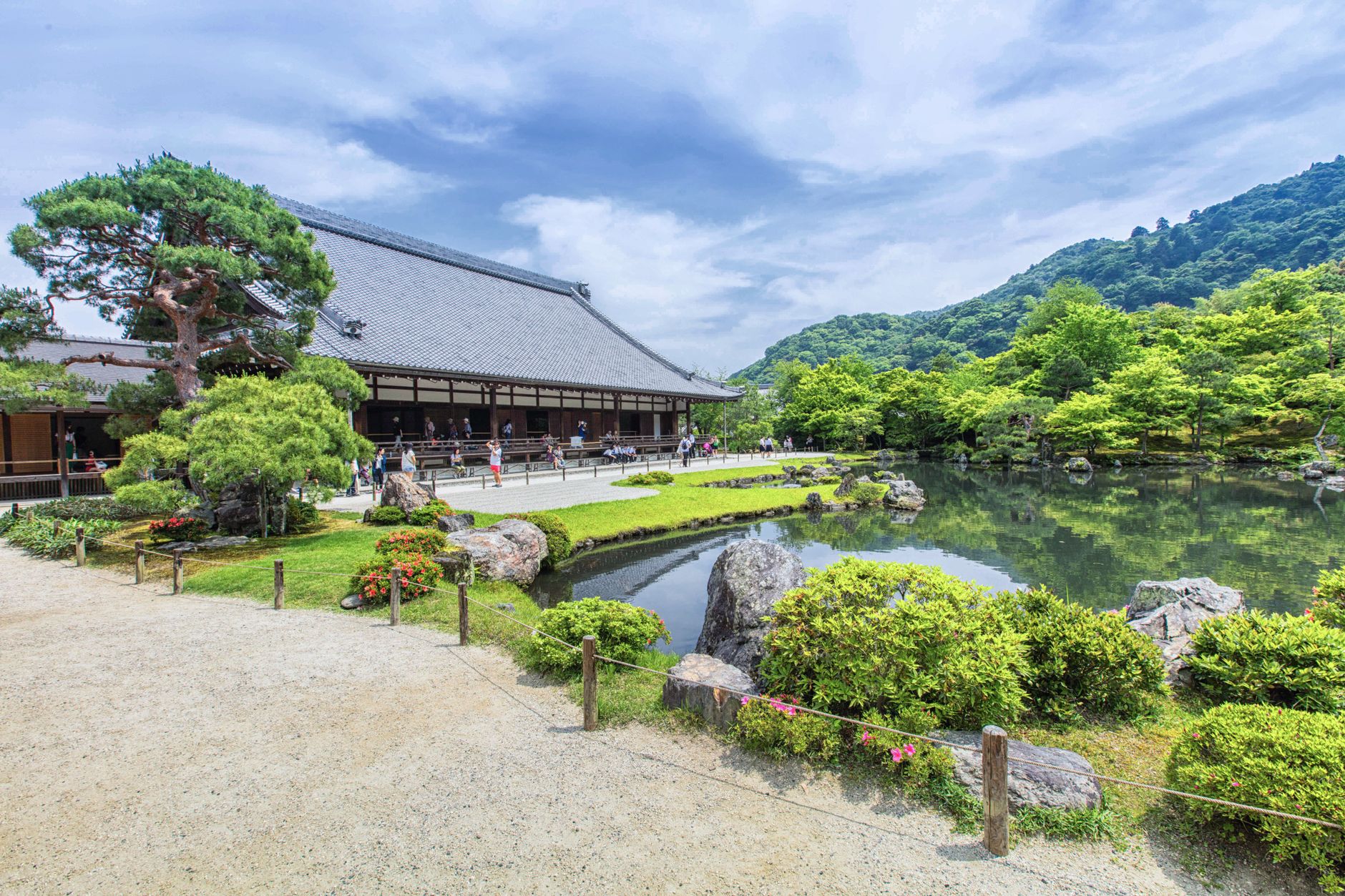
Tenryu-ji & the Sogenchi garden
Visit the ticketed UNESCO Zen temple beside the grove; its 14th-century pond garden borrows the Arashiyama hills as its backdrop.

An evening walking tour of Gion
Join a genuine guided evening walk through Kyoto's geisha district for its teahouse lanes, history and etiquette. Photography is banned on Gion's private alleys, and geiko or maiko must never be stopped or photographed without consent.
Day 4: Nara day trip — the Great Buddha, deer & stone lanterns
Kyoto → Nara → Kyoto — direct rail in under an hour each way and the same Kyoto hotel at night
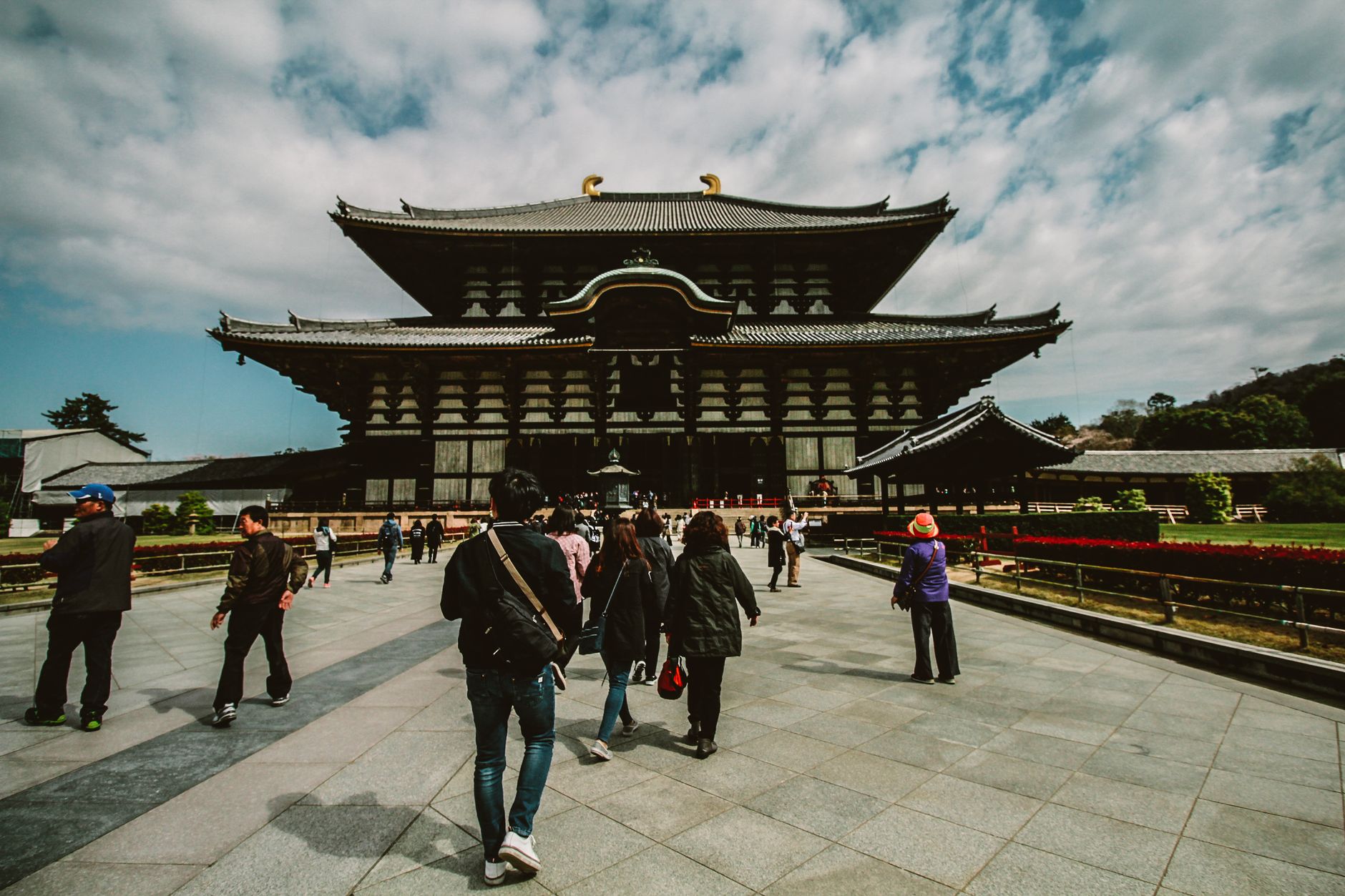
Todai-ji & the Great Buddha
Visit the ticketed UNESCO temple whose vast wooden Great Buddha Hall houses a 15-metre bronze Daibutsu, one of the largest bronze Buddhas in the world.

Nara Park & its bowing deer
Walk the free park among its 1,000-plus free-roaming sika deer. Feed them only official shika senbei crackers, keep bags closed and do not tease them; they can nip and shove once they smell food.

The lantern paths of Kasuga Taisha
Wander the free cedar-forest approach lined with some 2,000 moss-covered stone lanterns; a small paid inner area exists, so defer current details to the official site.
Day 5: Train to Osaka — the castle & Dotonbori by night
Kyoto → Osaka — a roughly half-hour rail hop, an Osaka hotel and a neon evening
Train from Kyoto to Osaka
Take an easy morning hop on one of the frequent trains between Kyoto and Osaka; leave your bags at the hotel or a station locker and head straight out.
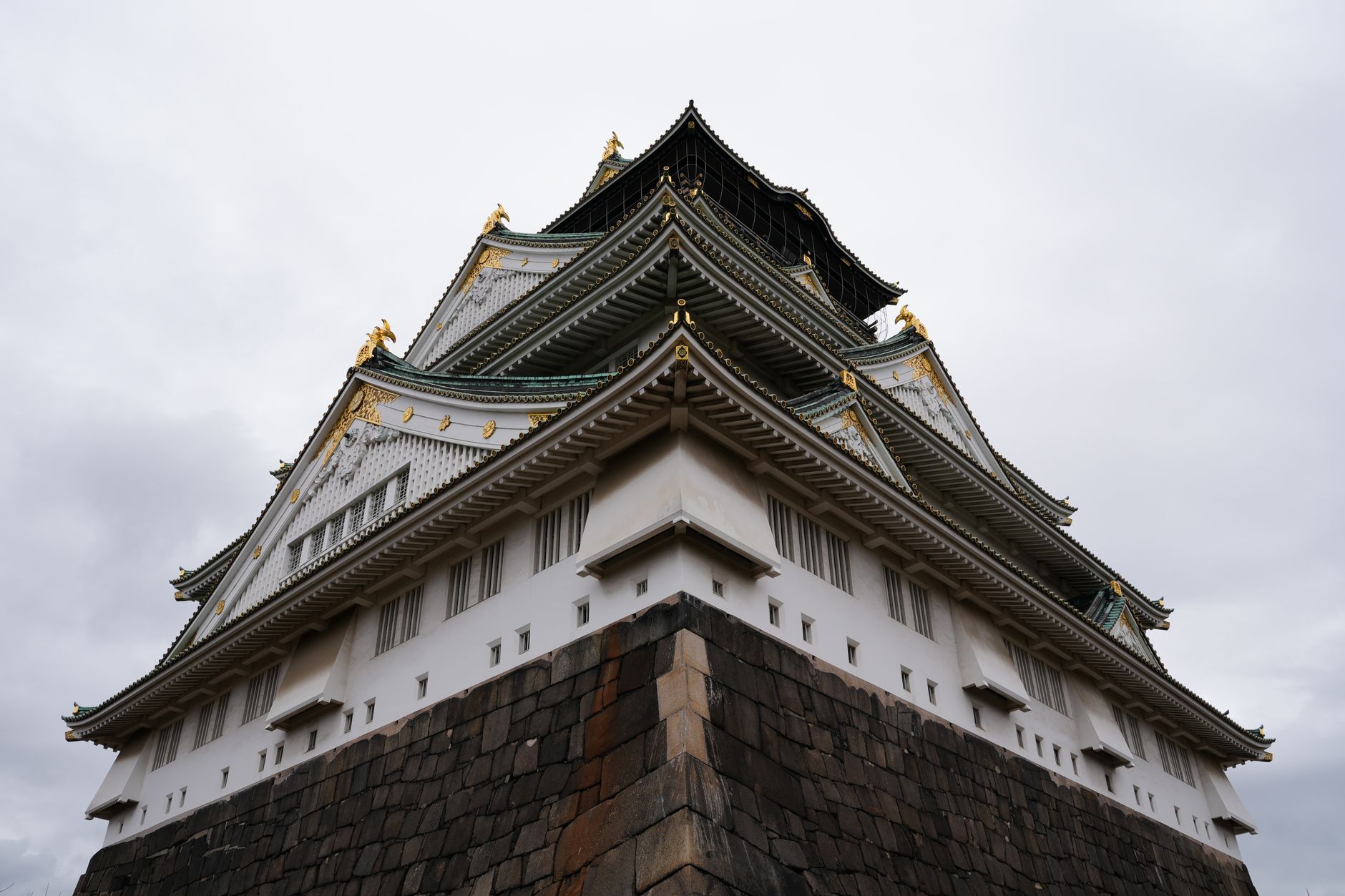
Osaka Castle & its park
Roam the free castle park and moats, then visit the ticketed rebuilt main keep museum and its top-floor observation deck over the city.

Dotonbori after dark
Wander Osaka's free neon canal strip after sunset for the Glico runner sign, giant mechanical crabs and street food.
Day 6: Osaka — market food, a rooftop ring & retro Shinsekai
Base: Osaka — guided market grazing, a ticketed rooftop view and a free retro-neon finale

A street-food tour of Kuromon Ichiba Market
Join a genuine guided grazing tour of Osaka's kitchen, a 580-metre covered arcade of seafood, wagyu and produce stalls; go hungry.

The Umeda Sky Building's Kuchu Teien Observatory
Visit the ticketed open-air rooftop ring bridging the twin towers 173 metres up, with 360-degree views over Osaka and the bay.

Shinsekai & the Tsutenkaku Tower at dusk
Stroll the free retro neon streets of Shinsekai beneath the Tsutenkaku Tower; kushikatsu skewer joints line the lanes, while the tower's paid observation deck is optional and separate.
Day 7: Departure from Kansai
Osaka → Kansai International (KIX) — a light final morning and a protected airport transfer
A last Osaka morning
Squeeze in a final konbini breakfast or a stroll near your hotel, keep it light and allow a comfortable buffer for the airport train.
Train to Kansai International & fly home
Both the JR Haruka express and the Nankai line run from central Osaka to KIX; check your terminal before you set off and defer timetables to JR-West.
Kyoto through Nara to Osaka
Six visual-day anchors trace the route from Kiyomizu-dera through Fushimi Inari and Arashiyama to Nara, Osaka Castle and Kuromon Market; the final departure day is text-only.
- 1
Kyoto — Kiyomizu-dera / Higashiyama
Arrival and the hillside temple lanes of Higashiyama
- 2
Kyoto — Fushimi Inari Taisha
Torii tunnels before the Golden Pavilion and Nijo Castle
- 3
Kyoto — Arashiyama bamboo grove
Bamboo, Tenryu-ji and an evening in Gion
- 4
Nara — Todai-ji
The Great Buddha, park deer and Kasuga Taisha lanterns
- 5
Osaka — Osaka Castle
Train from Kyoto, the castle keep and Dotonbori
- 6
Osaka — Kuromon Ichiba Market
Market food, the Umeda rooftop ring and Shinsekai
Frequently Asked Questions
How many days do you need for Kyoto, Osaka and Nara?
Seven days is comfortable: spend four nights in Kyoto with a Nara day trip, then two nights in Osaka. Kyoto alone rewards three full sightseeing days.
What is the best time to visit Kyoto and Osaka?
Spring, with cherry blossoms typically in late March to early April in Kyoto, and autumn, with foliage peaking around mid to late November, are the showpiece seasons. Both are crowded and book out early; summer is hot and humid, while winter is quiet.
Do I need a Japan Rail Pass for this trip?
No. The whole route stays inside Kansai, so a rechargeable ICOCA IC card plus point-to-point tickets on the Haruka, JR, Kintetsu, Hankyu or Keihan lines covers the trip.
Is Nara worth a day trip, and how do I get there?
Yes. Todai-ji's Great Buddha, the lantern paths of Kasuga Taisha and the park's free-roaming deer fill an easy day; direct JR and Kintetsu trains from Kyoto take under an hour.
Can I photograph geisha in Gion?
Photography is banned on Gion's private alleys, and geiko or maiko must never be stopped, followed or photographed without consent. Join a guided evening walk to learn the district's history respectfully.
Are the deer in Nara dangerous?
They are wild but habituated. They bow for the official shika senbei crackers, yet they can nip, headbutt and shove when they smell food; feed only official crackers, keep paper out of reach and supervise children.
Should I stay in Kyoto or Osaka?
Do both: Kyoto for the temple days at a slower, earlier rhythm, then Osaka for food and neon nightlife. The cities are only about half an hour apart by train.
Which Kyoto sights need tickets?
Kiyomizu-dera, Kinkaku-ji, Nijo Castle and Tenryu-ji are ticketed, while Fushimi Inari, the Arashiyama bamboo grove and Gion's streets are free. Confirm hours and admission on each official site.
How do I get from Kansai Airport to Kyoto?
The JR Haruka limited express runs direct from KIX to Kyoto Station. For Osaka, both the Nankai line and JR connect the airport with the city centre.
Make this plan your own
Copy this plan into your account in one click — keep the original for reference and edit your copy any way you like.
Sign in once to save and edit your own copy.