

Germany Itinerary: Berlin, Munich & Bavaria in 9 Days
Germany's two great cities and the Bavarian Alps in nine days.
This route pairs Berlin — the Brandenburg Gate, the Reichstag dome, Museum Island and the Cold War traces of the East Side Gallery — with a fast ICE train south to Munich for Marienplatz, Nymphenburg, BMW and the beer-hall scene, then adds the fairytale castle of Neuschwanstein, the Zugspitze in the Alps, and a medieval Romantic Road stop at Rothenburg ob der Tauber.
Best time: May to September for long, warm days; late September for Oktoberfest in Munich; December for the Christmas markets — but note Alpine and Oktoberfest-season prices and crowds.
- Fly into Berlin (BER) and home from Munich (MUC) for an open-jaw trip that saves backtracking.
- Link the two cities on a fast ICE high-speed train, booked through Deutsche Bahn.
- In the cities, use the U-Bahn and S-Bahn networks; for the Bavarian day trips to Neuschwanstein, the Zugspitze and Rothenburg, either rent a car or take organised day tours.
- Germany's trains are run by Deutsche Bahn; book the Berlin–Munich ICE ahead for cheaper Sparpreis fares.
- For the Bavarian day trips, a regional day ticket such as the Bayern-Ticket can cover several people on regional trains and city transport for a flat price — confirm current fares and validity on the Deutsche Bahn site.
Where to Stay
Use city and Alpine bases as the route moves south through Germany
Where to Stay
Use city and Alpine bases as the route moves south through Germany
Berlin
Stay around Mitte or Friedrichshain for nights 1–3, close to the sights and nightlife.
Munich
Keep a single Munich base for nights 4–8 — around the old town or Ludwigsvorstadt near the Hauptbahnhof — and run Neuschwanstein, the Zugspitze and Rothenburg as day trips rather than moving hotels each night.
Official links & tickets
Use official tourism, railway, palace, memorial and mountain sites for current details
Official links & tickets
Use official tourism, railway, palace, memorial and mountain sites for current details
Official planning, transport and tickets
Confirm current rail, entry, tour and visitor information on the official sites.
Budget Snapshot
Getting Around
9-Day Itinerary Breakdown
Day 1: Arrive in Berlin & the Brandenburg Gate
Berlin Brandenburg Airport (BER) → central Berlin — arrival and the Brandenburg Gate

Arrive in Berlin and settle in
Land at Berlin Brandenburg Airport (BER), take the airport express or S-Bahn into the centre, drop your bags and ease into the city on your first afternoon.
The Brandenburg Gate & Pariser Platz
Berlin's most famous landmark and a symbol of German reunification is a free, open square — wander Pariser Platz and walk down Unter den Linden; no ticket or operated tour is required.
Day 2: Reichstag, Museum Island & the TV Tower
Central Berlin — parliament, museums and the Fernsehturm

The Reichstag & its glass dome
The seat of the German parliament and Norman Foster's glass dome are free to visit, but you must register in advance through the Bundestag's official visitor service — it is a free timed booking, not a paid ticket or tour.
Museum Island & its great museums
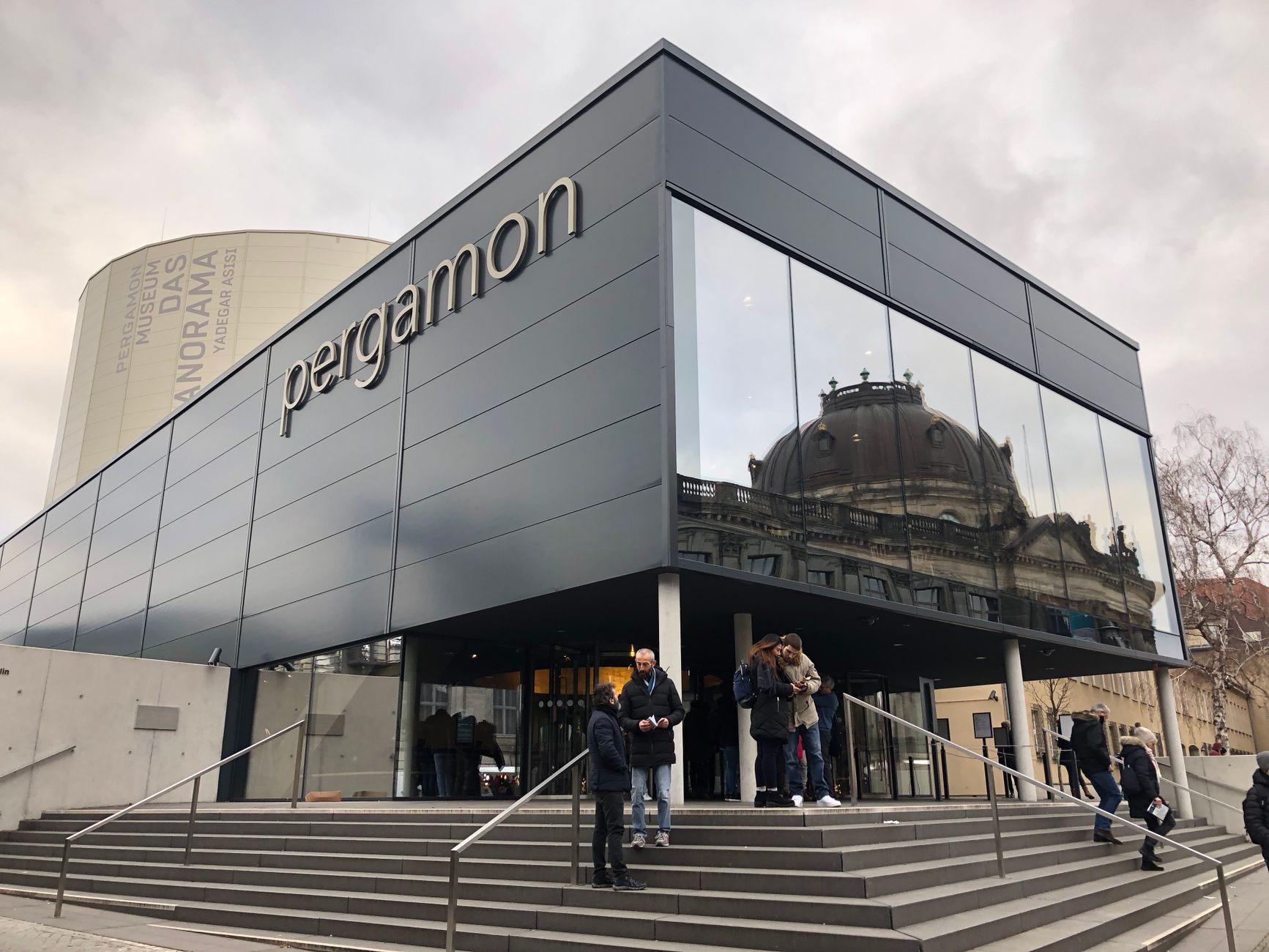
Explore a ticketed UNESCO ensemble of world-class museums on an island in the Spree — the Neues, Altes, Bode and Alte Nationalgalerie among them. The Pergamonmuseum itself is closed for a multi-year renovation, but its separate "Das Panorama" pavilion (Yadegar Asisi's giant 360-degree panorama of the ancient city, shown here) stays open nearby; check the official Staatliche Museen site for which collections are currently open before you go. Note that most Museum Island houses close on Mondays, so sequence your Berlin days to land here on another day.
Berlin TV Tower (Fernsehturm)
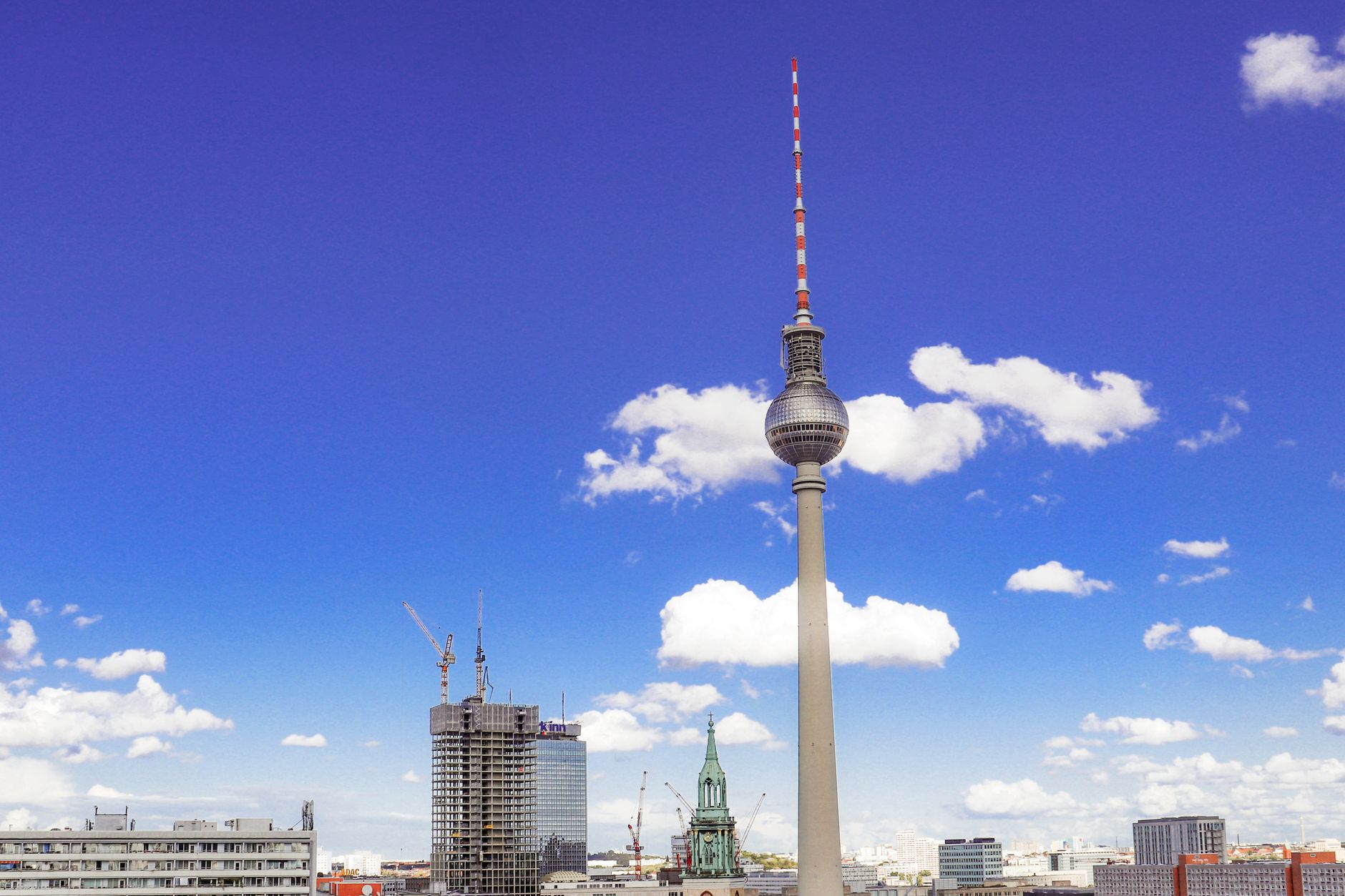
Ride up Germany's tallest structure at Alexanderplatz to a ticketed 360° observation deck and revolving café, booking a timed slot to skip the queue.
Day 3: Cold War Berlin & the East Side Gallery
Berlin — divided-city history and the surviving Wall
Cold War Berlin on foot
Spend the morning tracing divided Berlin — Checkpoint Charlie, the open-air Topography of Terror documentation centre, the Memorial to the Murdered Jews of Europe and the marked line of the former Wall; all are free and walkable in the Mitte district.
The East Side Gallery & a guided Berlin Wall walk
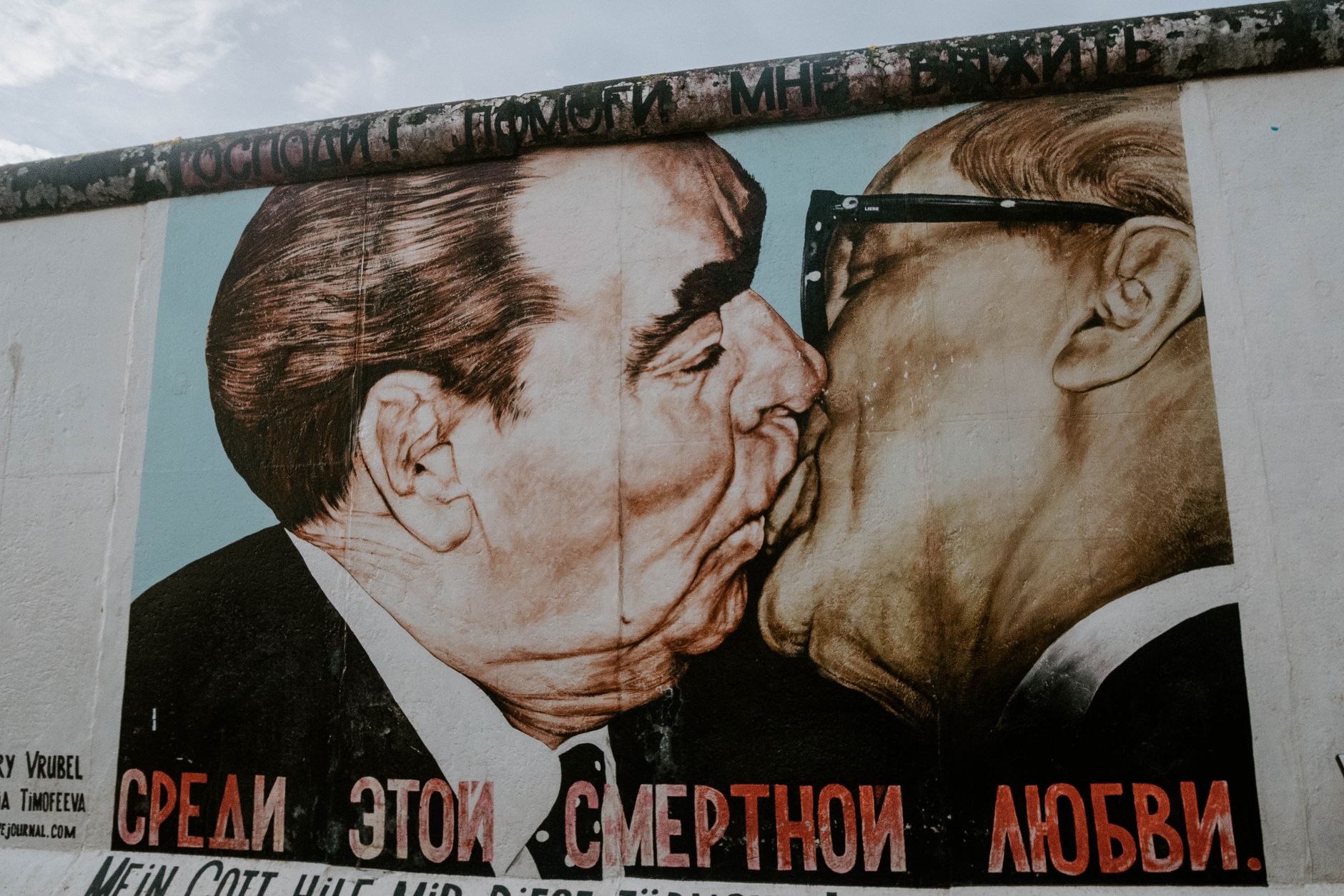
Walk the longest surviving stretch of the Berlin Wall, painted end to end with murals including the famous "Fraternal Kiss", or join a genuine guided Cold War and Berlin Wall walking tour that ends here with a local historian.
Day 4: ICE train to Munich & Marienplatz
Berlin → Munich — the ICE high-speed train, Marienplatz and the Glockenspiel

The ICE high-speed train to Munich
Make the roughly four-hour ICE ride south from Berlin Hauptbahnhof to München Hbf a comfortable highlight in itself; the booking is the day-level train action, with no separate paid tour for riding the train.
Marienplatz & the Glockenspiel
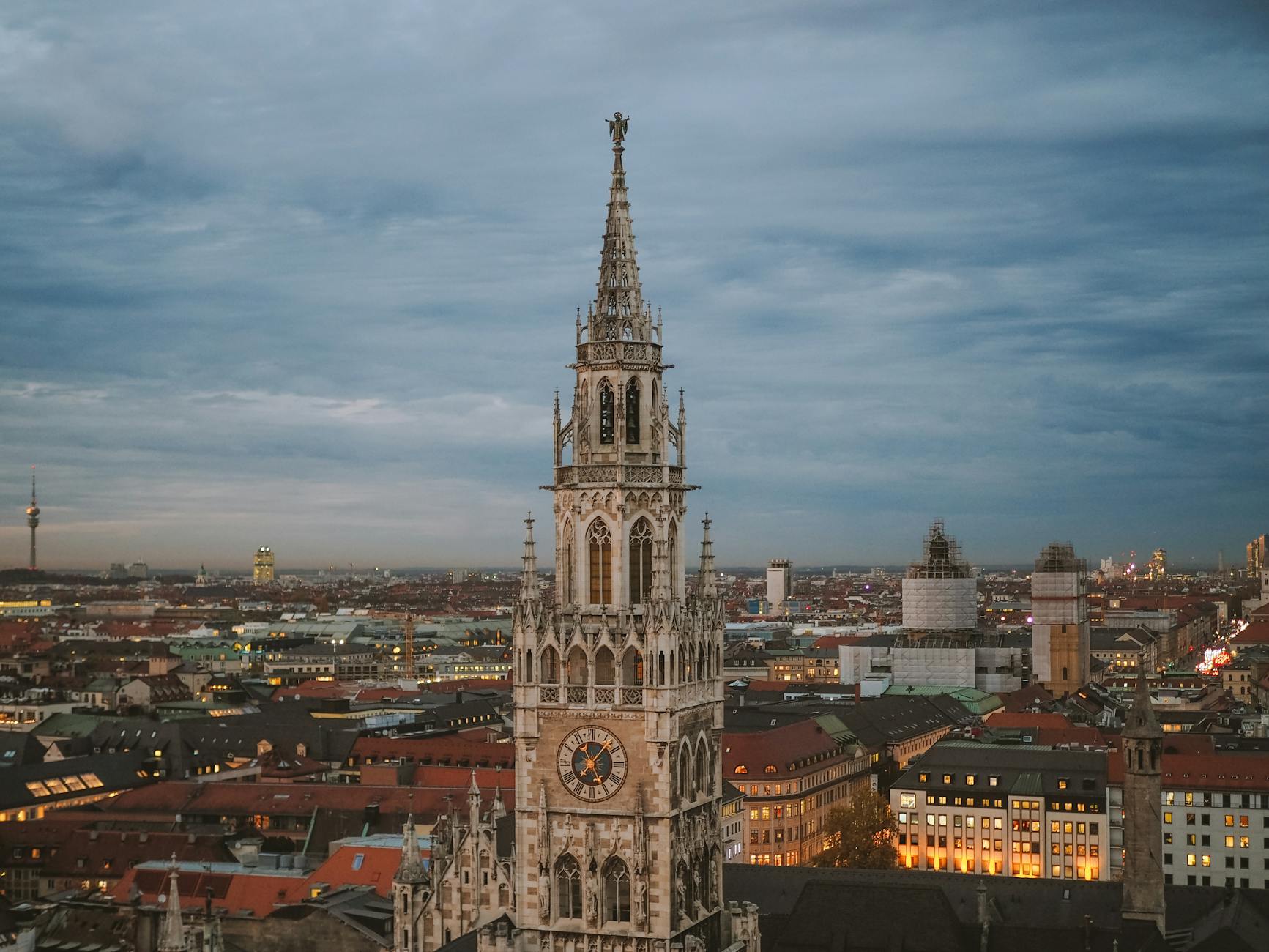
Munich's central square with the neo-Gothic New Town Hall is free and open — time your arrival for the daily Glockenspiel carillon show on the tower; no ticket is required to watch from the square.
Settle into Munich
Check into your Munich hotel and get your bearings in the old town — the pedestrian streets around Marienplatz, the Frauenkirche and the food stalls nearby.
Day 5: Munich — Nymphenburg, BMW Welt & a Bavarian food tour
Munich — royal rooms, motoring history and Bavarian food and beer

Nymphenburg Palace
Visit the ticketed Baroque summer palace of the Bavarian royals, with grand state rooms, the Gallery of Beauties and vast landscaped gardens on Munich's western edge.

BMW Welt & the BMW Museum
BMW Welt itself is a free showroom, but the neighbouring BMW Museum in the four-cylinder tower is a ticketed history of the marque — book the museum entry, with a factory tour available separately.

A Bavarian beer & food tour at the Viktualienmarkt
Join a guided food-and-beer walking tour through Munich's Viktualienmarkt and the historic beer halls, tasting Bavarian specialities — pretzels, white sausage, cheese and local brews — with a local guide.
Day 6: Day trip to Neuschwanstein Castle
Munich → Schwangau — the Bavarian foothills and Neuschwanstein Castle
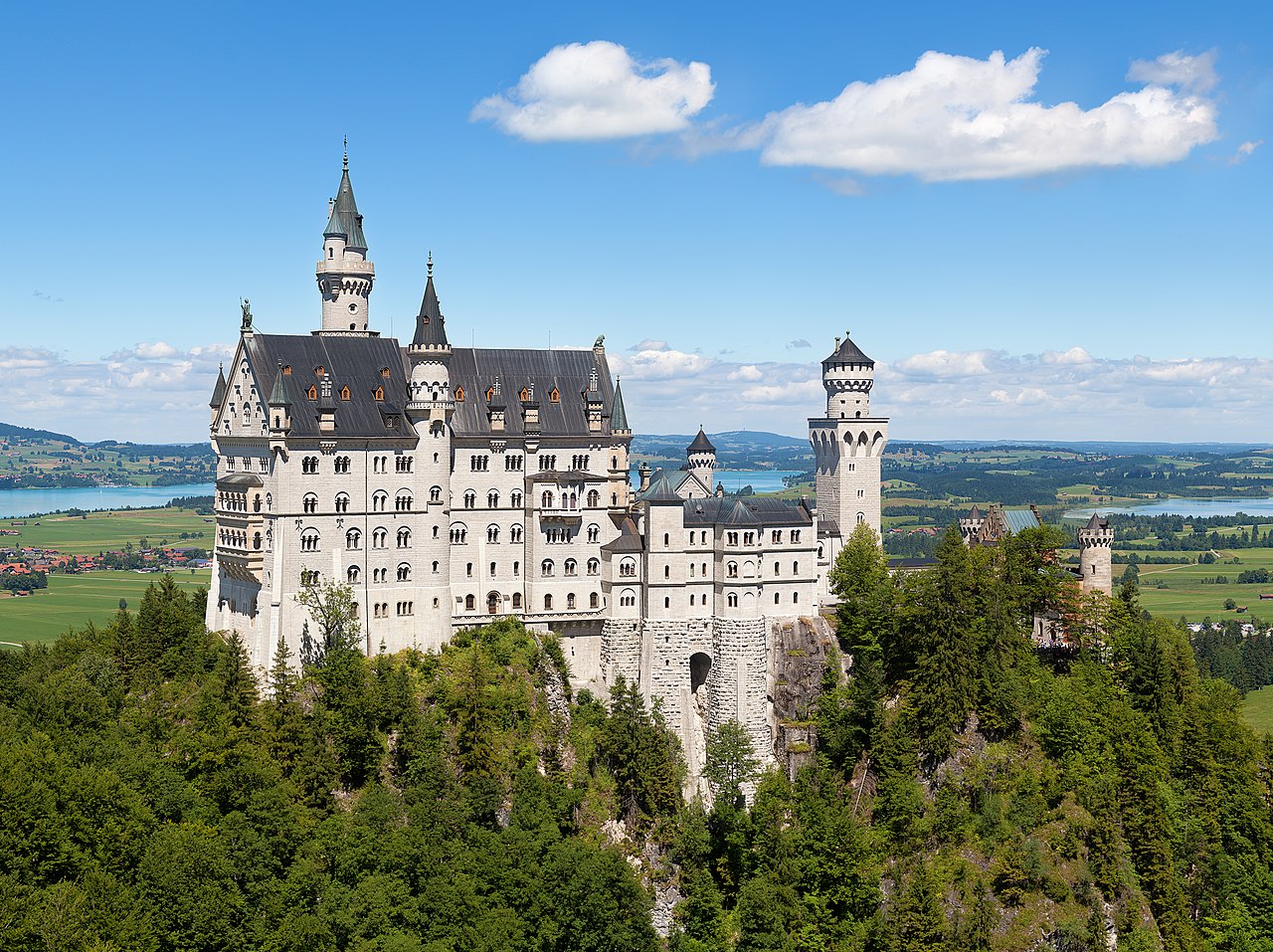
Drive south to Schwangau
Neuschwanstein sits near Füssen, about two hours south of Munich; go early — organised day tours, trains-plus-bus and self-drive all work, but the castle can only be seen on a timed guided tour booked ahead through the official ticket centre.
Neuschwanstein Castle
Ludwig II's fairytale hilltop castle can only be visited on a timed guided interior tour — book well ahead through the official Neuschwanstein ticket centre and walk up to the Marienbrücke footbridge for the classic view.
Day 7: Day trip to the Zugspitze from Munich
Munich → Garmisch-Partenkirchen and back — cog railway and cable cars to the Zugspitze

Munich to Garmisch-Partenkirchen
Take the regional train from Munich to Garmisch-Partenkirchen — about an hour and a quarter — at the foot of Germany's highest mountain, the Zugspitze; the cog railway and cable cars leave from here and nearby Eibsee, so this works comfortably as a day trip with an early start and a return to Munich in the evening.
The Zugspitze cog railway & cable car
Take a ticketed combined ride on the Bavarian Zugspitze cog railway up to the glacier plateau and cable cars to the 2,962 m summit, Germany's highest point, for panoramas across four countries on a clear day.
Day 8: Day trip to Rothenburg on the Romantic Road
Munich → Rothenburg ob der Tauber and back — the medieval showpiece of the Romantic Road
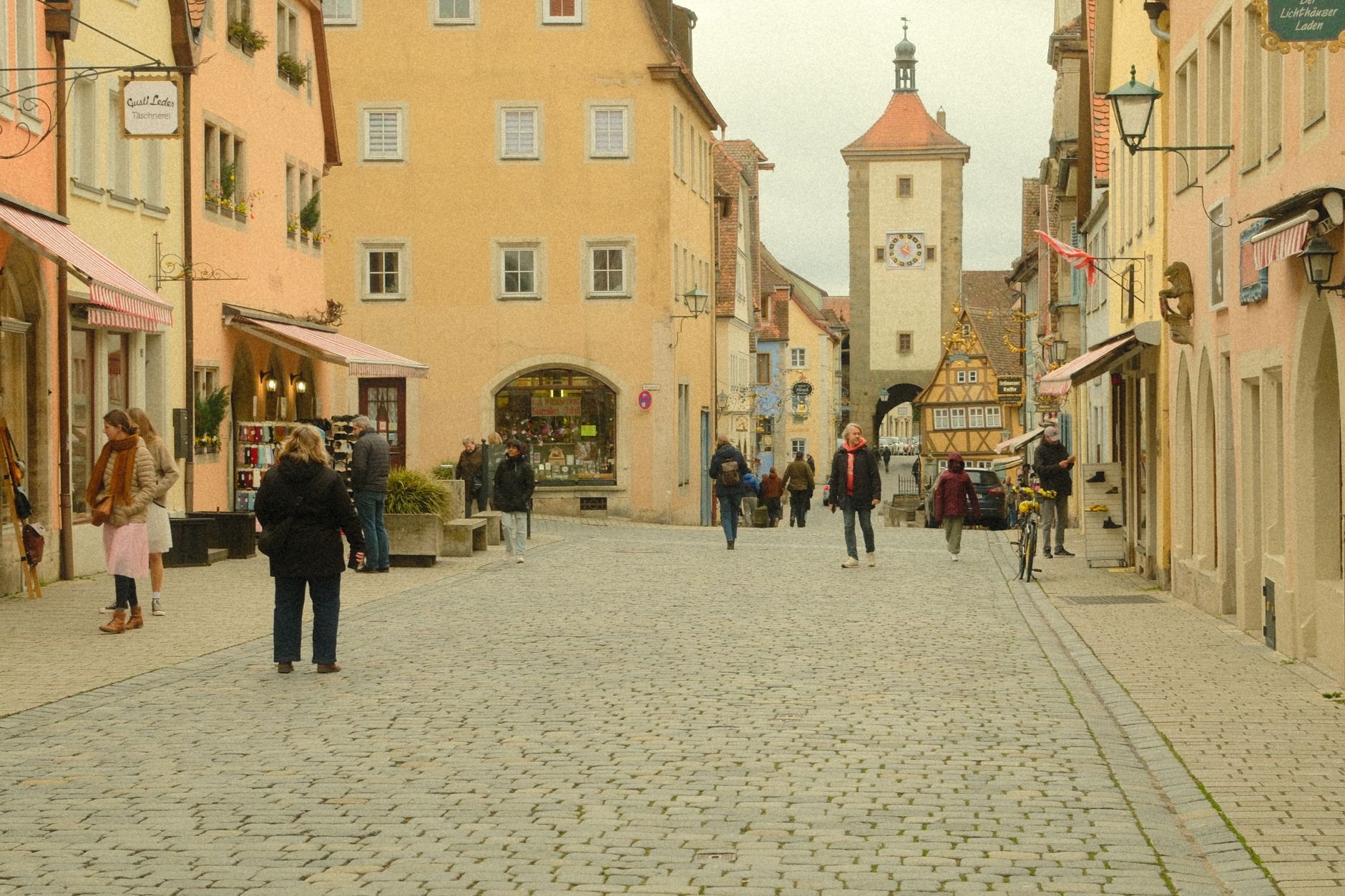
Munich to the Romantic Road
Head north from Munich to the Romantic Road, the scenic route linking Bavaria's best-preserved medieval towns; Rothenburg ob der Tauber is its showpiece, about two hours and ten minutes by car — or by organised day tour — and returns easily to Munich the same evening.
Rothenburg ob der Tauber
The walled medieval town of half-timbered houses, cobbled lanes and the Plönlein corner is free to wander, but a guided Romantic Road or Rothenburg day tour — often with the town's famous Night Watchman walk — is a genuine bookable experience.
Day 9: English Garden & departure
Munich — the English Garden and departure from Munich Airport
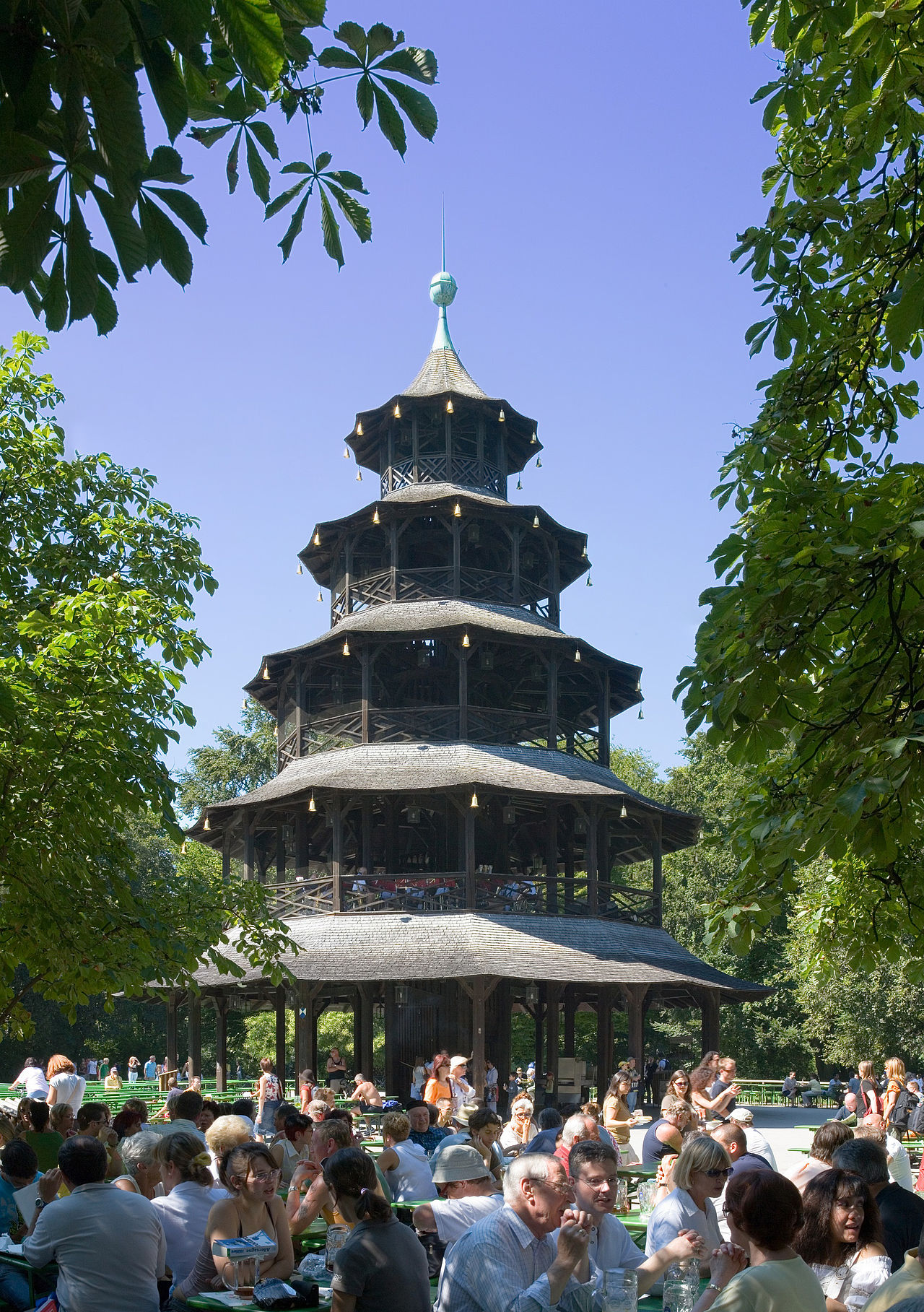
The English Garden & the Chinese Tower
Spend a last free morning in one of Europe's largest city parks — walk to the Chinese Tower beer garden, watch the surfers on the Eisbach standing wave, and relax before your flight.
Transfer to the airport & fly home
Return to Munich, collect your bags and take the S-Bahn or a transfer out to Munich Airport (MUC) for your flight home.
Berlin to Munich and the Bavarian Alps
Nine day-master anchors trace the route from Berlin to Munich by ICE, then through Nymphenburg, Neuschwanstein, the Zugspitze and Rothenburg before a final morning in Munich's English Garden.
- 1
Berlin — Brandenburg Gate
Arrival and Berlin's symbol of reunification
- 2
Berlin — Museum Island
The Reichstag dome, Museum Island and the TV Tower
- 3
Berlin — East Side Gallery
Cold War history and the surviving Berlin Wall
- 4
ICE train — Berlin to Munich
The high-speed rail journey south to Bavaria
- 5
Munich — Nymphenburg Palace
Nymphenburg, BMW Welt and Bavarian food and beer
- 6
Neuschwanstein Castle
Ludwig II's fairytale castle above Schwangau
- 7
Zugspitze — Bavarian Alps
The cog railway and cable cars to Germany's highest summit
- 8
Rothenburg ob der Tauber — Romantic Road
A medieval walled town of half-timbered houses
- 9
Munich — English Garden
A final park morning before departure
Frequently Asked Questions
How many days do you need for Germany's highlights?
About nine days is enough to pair Berlin and Munich with a Bavarian castle, the Alps and a Romantic Road town without rushing — three nights in each city plus the day trips. Two weeks lets you add the Rhine, Hamburg or the Black Forest.
What is the best way to travel between Berlin and Munich?
The fastest and easiest way is the Deutsche Bahn ICE high-speed train, roughly four hours city-centre to city-centre. Book ahead for cheaper Sparpreis fares; flying is possible but rarely quicker once airports are factored in.
Do I need to book Neuschwanstein Castle in advance?
Yes. The castle interior can only be seen on a timed guided tour, and tickets are released through the official ticket centre. Book online ahead, especially in summer, as same-day tickets frequently sell out.
When is Oktoberfest, and how does it affect a Munich visit?
Oktoberfest runs from mid-September to the first weekend of October. It is a huge draw but means packed beer tents, scarce hotel rooms and much higher prices — book far ahead if you want to attend, or travel outside those weeks for a calmer, cheaper city.
Is the Zugspitze worth visiting, and how do you get up?
Yes, on a clear day. Germany's highest peak offers panoramas across four countries; from Garmisch-Partenkirchen and the Eibsee you ride a combination of the cog railway and cable cars to the summit, all on ticketed transport.
What is the best time of year to visit Germany?
May to September gives the longest, warmest days; late September brings Oktoberfest in Munich and early autumn colour; December brings the famous Christmas markets but cold, short days. Spring and early autumn are good all-round compromises.
How do I visit the Dachau memorial respectfully?
The Dachau Concentration Camp Memorial is a place of remembrance with free entry. Dress and behave soberly, keep quiet in the exhibitions and former barracks, follow the photography rules, and consider a guided tour for the historical context.
Do I need a car for this itinerary?
Not in Berlin or Munich, where the U-Bahn and S-Bahn cover everything. A car or organised day tours are useful only for the Bavarian day trips to Neuschwanstein, the Zugspitze and Rothenburg; many travellers do those by regional train and coach instead.
Make this plan your own
Copy this plan into your account in one click — keep the original for reference and edit your copy any way you like.
Sign in once to save and edit your own copy.