

Egypt Itinerary: Cairo, the Nile & Luxor to Aswan in 8 Days
The length of ancient Egypt in a week.
This route strings together the country's greatest sites: Cairo and Giza in the north — the Pyramids, the Sphinx, Saqqara and the museums — then Luxor and its temples and royal tombs, a Nile cruise south past Edfu and Kom Ombo, and Aswan with Philae and Abu Simbel.
Best time: the cool, dry season from about October to April. The desert south around Luxor, Aswan and Abu Simbel is very hot from May to September.
- Fly into Cairo (CAI), then take an internal EgyptAir flight to Luxor.
- Sightsee Luxor's temples and tombs, then board a Nile cruise boat that sails Luxor → Edfu → Kom Ombo → Aswan over a few nights.
- Visit Philae and Abu Simbel from Aswan, then fly out of Aswan (ASW) or connect back through Cairo.
- Cruise and temple arrangements are usually made through your boat or a local operator.
- The Egyptian south is genuinely hot, so start monuments early, carry water, and wear a hat and sunglasses.
- Stick to bottled or filtered water and freshly cooked food to avoid an upset stomach.
Where to Stay
Use city bases around the two nights aboard the Nile cruise
Where to Stay
Use city bases around the two nights aboard the Nile cruise
Cairo
Choose a central base near the Nile or Tahrir for the museum, or stay out toward Giza for the pyramids, for nights 1–2. Day 3 ends with an evening flight to Luxor, so you sleep in Luxor from night 3.
Luxor
Stay near the East Bank temples for nights 3–4, after the evening flight in from Cairo.
Nile cruise boat
Use the cruise boat for nights 5–6 while sailing from Luxor to Aswan.
Aswan
Finish near the corniche for night 7.
Official links & tickets
Confirm monuments, entry rules, visas, flights and collection moves with official sources
Official links & tickets
Confirm monuments, entry rules, visas, flights and collection moves with official sources
Egypt visitor planning
Use Egypt's official monument and tourism portals for current visitor information.
Visas, flights & museum collections
Check government, airline and museum sites before booking the route.
Budget Snapshot
Getting Around
8-Day Itinerary Breakdown
Day 1: Arrive in Cairo & the Egyptian Museum
Cairo International (CAI) → Cairo base — a gentle arrival and the Egyptian Museum on Tahrir Square

Arrive in Cairo and settle in
Land at Cairo International Airport, settle into the hotel and take the first afternoon gently while adjusting to the time change before the days of temples ahead.
The Egyptian Museum on Tahrir Square
Visit the ticketed national museum of pharaonic antiquities on Tahrir Square. The Tutankhamun collection has moved to the Grand Egyptian Museum near Giza, but Tahrir still holds a deep collection of Middle Kingdom, Late Period and Greco-Roman antiquities, so check which site holds what before you go.
Day 2: Giza — the Great Pyramids, the Sphinx & Saqqara
Cairo base → Giza plateau → Saqqara — two ticketed archaeological sites

The Great Pyramids of Giza & the Sphinx
Explore the ticketed archaeological plateau. The general Giza ticket covers the plateau and Sphinx, with separate paid tickets to go inside the pyramids.

The Step Pyramid of Djoser at Saqqara
Visit the ticketed necropolis south of Giza, built around Egypt's oldest stone pyramid, the stepped tomb of Djoser.
Day 3: Islamic Cairo, the citadel & the bazaar; evening to Luxor
Cairo Citadel → Khan el-Khalili → evening flight south to Luxor

The Citadel & the Mosque of Muhammad Ali
Visit the ticketed hilltop fortress crowned by the alabaster Ottoman-style Mosque of Muhammad Ali, with wide views over Cairo.

Khan el-Khalili bazaar & a guided Islamic Cairo walk
Wandering the bazaar's lanes is free, while guided heritage-and-food walks through Islamic Cairo's medieval streets, mosques and coppersmiths' souks are a genuine bookable experience.
Day 4: Luxor's East Bank — Karnak & Luxor Temple
Base: Luxor — the vast Karnak complex followed by riverside Luxor Temple

Karnak Temple & its Great Hypostyle Hall
Explore the ticketed vast temple complex whose forest of giant carved columns forms the Great Hypostyle Hall.

Luxor Temple
Visit the ticketed riverside temple in the heart of Luxor, especially striking when floodlit after dark.
Day 5: Luxor's West Bank & boarding the Nile cruise
Luxor West Bank → Nile cruise boat — royal tombs, Hatshepsut's temple and the first cruise night

The Valley of the Kings
Visit the ticketed royal necropolis of rock-cut tombs in the Theban hills. The general ticket admits a set number of open tombs, with premium tombs such as Tutankhamun's ticketed separately.

The Temple of Hatshepsut at Deir el-Bahari
Visit the ticketed terraced mortuary temple set dramatically against the cliffs.
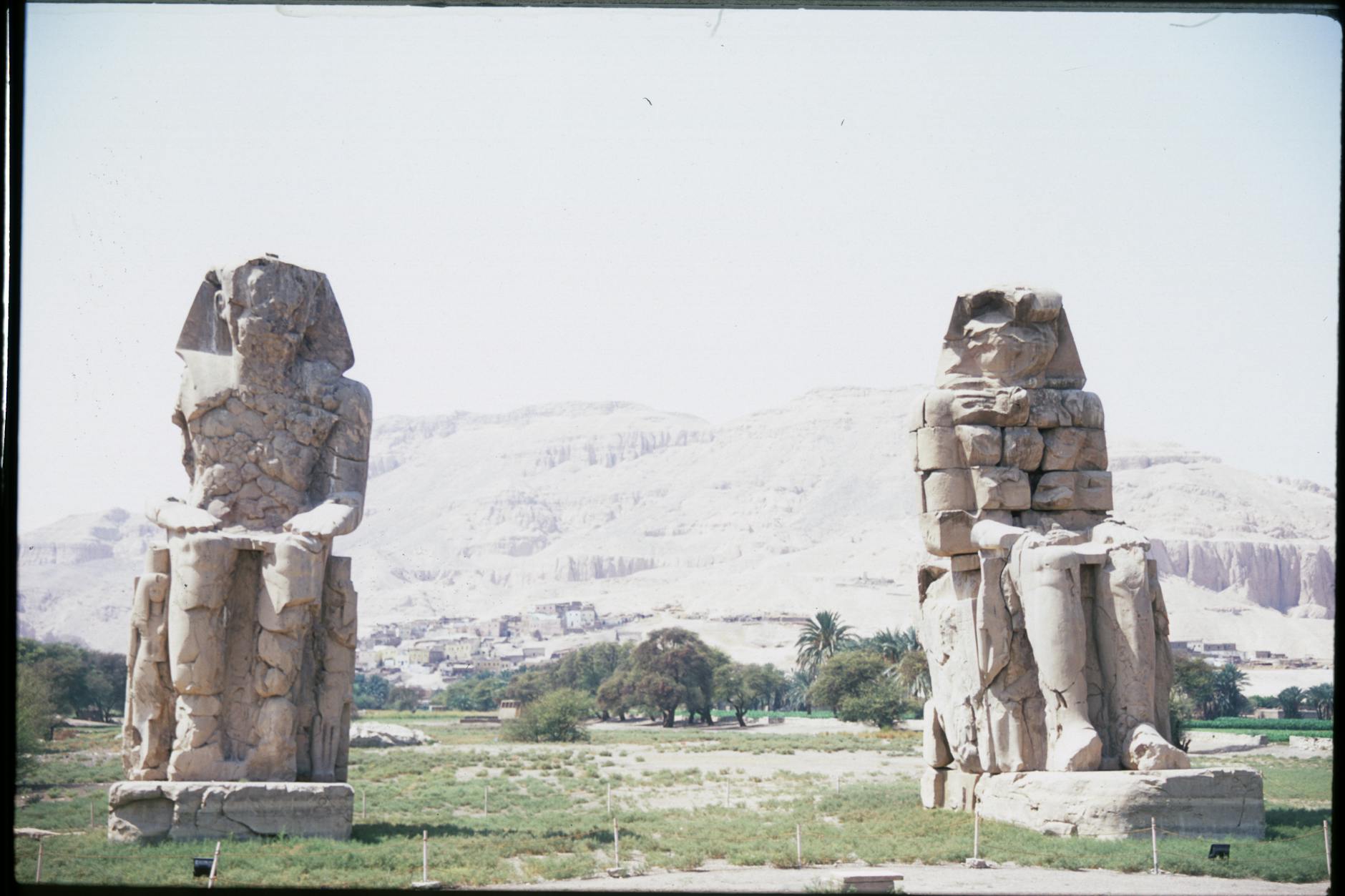
The Colossi of Memnon
See the two open-air roadside statues on the west bank for free while moving between sites.
Day 6: Cruising the Nile — Edfu & Kom Ombo
Nile cruise boat → Edfu → Kom Ombo — riverside temple calls while sailing toward Aswan
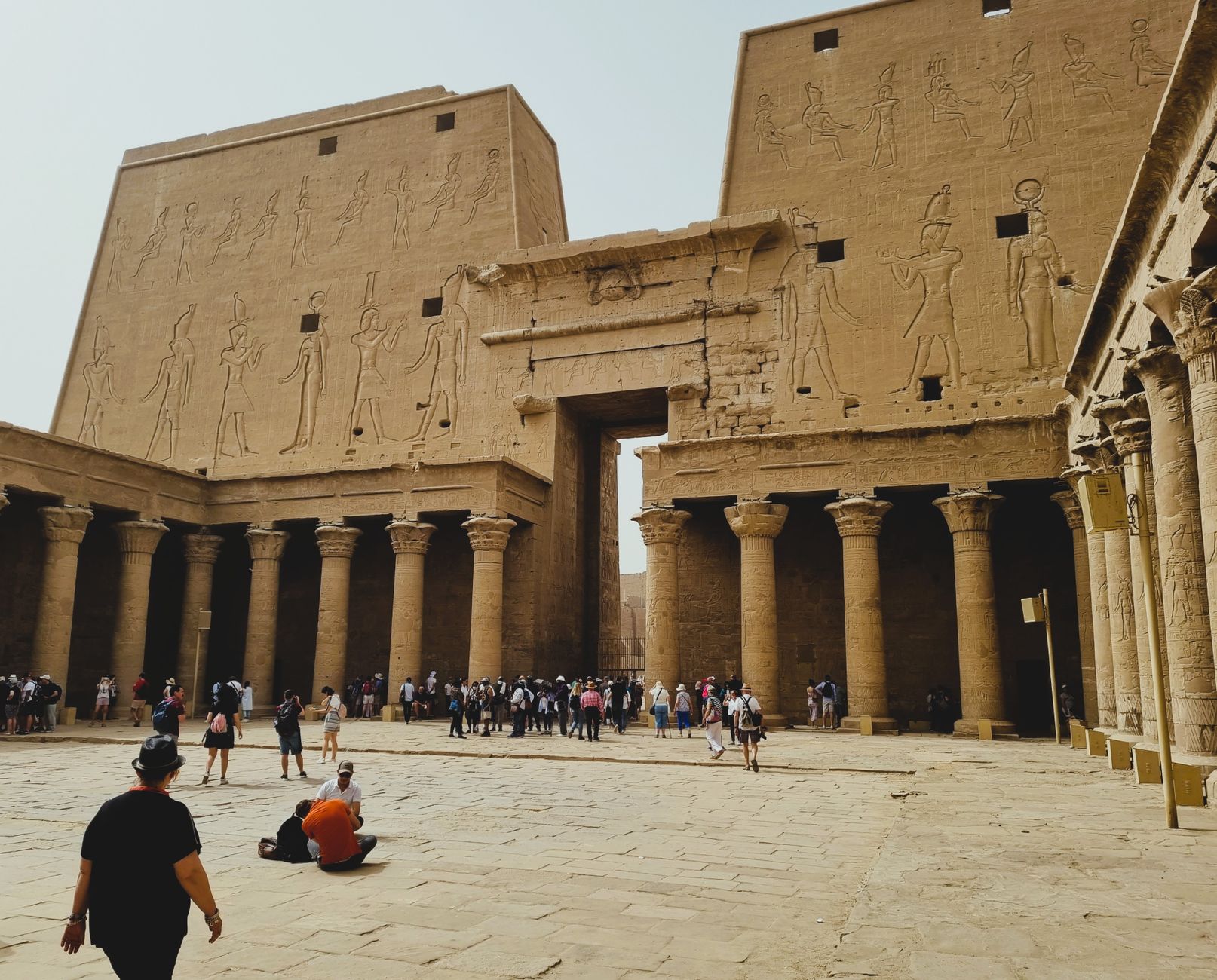
The Temple of Horus at Edfu
Visit the ticketed, remarkably complete Ptolemaic temple to the falcon-god Horus, a classic cruise stop reached from the river.

The Temple of Kom Ombo
Visit the ticketed double temple on the Nile shared between the gods Sobek and Haroeris, easy to visit straight off the boat.
Day 7: Aswan — Philae, the High Dam & a felucca sail
Base: Aswan — island temple, nearby add-ons and a traditional Nile sail

The Temple of Philae on Agilkia Island
Visit the ticketed island temple of Isis by short motorboat ride. The High Dam and granite quarries are easy nearby add-ons on the same day.

A felucca sail on the Nile at Aswan
Book a sunset sail aboard a traditional lateen-rigged felucca around the islands and cataracts of Aswan.
Day 8: Abu Simbel & departure
Aswan → Abu Simbel → Aswan airport or Cairo connection — a long final day

The temples of Abu Simbel
Visit the ticketed pair of rock-cut temples of Ramesses II and Nefertari far south near the Sudanese border. Most visitors go on an early road convoy or short flight from Aswan, so plan it as a long day trip.
Transfer and fly out
Fly home from Aswan (ASW) or connect back through Cairo (CAI) for a long-haul departure.
Cairo and Giza down the Nile to Abu Simbel
Eight day-master anchors trace the route from Cairo and Giza south to Luxor, along the Nile through Edfu and Aswan, and onward to Abu Simbel.
- 1
Cairo — Egyptian Museum
Arrival day and the Egyptian Museum on Tahrir Square
- 2
Giza — Pyramids & Sphinx
The Great Pyramids, the Sphinx and Saqqara
- 3
Islamic Cairo — the Citadel
The Citadel, Mosque of Muhammad Ali and Khan el-Khalili
- 4
Luxor East Bank — Karnak
Karnak and Luxor Temple
- 5
Luxor West Bank — Valley of the Kings
Royal tombs, Hatshepsut's temple and the Colossi of Memnon
- 6
Edfu — Temple of Horus
Cruise stop at Edfu before Kom Ombo
- 7
Aswan — Philae
Philae and a felucca sail on the Nile
- 8
Abu Simbel
The rock-cut temples of Ramesses II and Nefertari
Frequently Asked Questions
How many days do you need for Egypt's classic route?
About a week to ten days works well: two to three days around Cairo and Giza, a couple around Luxor, a Nile cruise of a few nights, and Aswan with Abu Simbel, without rushing.
What is the best time to visit?
The cool, dry season from roughly October to April is best. The desert south around Luxor, Aswan and Abu Simbel is very hot from May to September.
How do I get between Cairo, Luxor and Aswan?
An internal flight covers Cairo–Luxor, and a Nile cruise boat links Luxor, Edfu, Kom Ombo and Aswan over several nights. Some travellers also take the overnight sleeper train.
What is a Nile cruise like?
Most travellers sail Luxor to Aswan or the reverse over three to four nights aboard a river boat, stopping at riverside temples such as Edfu and Kom Ombo along the way.
Do I need to book monument tickets in advance?
Most sites sell tickets at the gate, but some tombs and premium interiors are ticketed separately. Carrying your passport and small cash speeds things up, and camera fees may apply.
Do I need a visa for Egypt?
Most visitors need a visa. Many nationalities can apply online for an e-Visa through the Government of Egypt portal or buy a visa on arrival at major airports before travelling.
Is Abu Simbel worth the extra trip?
Yes. The rock-cut temples of Ramesses II are among Egypt's most spectacular; go early on a road convoy or short flight from Aswan and plan it as a long day.
Where is Tutankhamun's treasure — the Egyptian Museum or the Grand Egyptian Museum?
The full Tutankhamun collection is now at the Grand Egyptian Museum near Giza, having moved from the old Egyptian Museum on Tahrir Square. Confirm which site holds what before you go.
What should I wear at mosques and churches?
Dress modestly: cover shoulders and knees, remove shoes where asked, and carry a scarf to cover your head at some religious sites.
Make this plan your own
Copy this plan into your account in one click — keep the original for reference and edit your copy any way you like.
Sign in once to save and edit your own copy.