

Colombia Itinerary: Bogotá, Medellín & Cartagena in 9 Days
Colombia's three great cities in nine days.
This route links high, cool Bogotá — the Gold Museum, Monserrate, La Candelaria and the Salt Cathedral of Zipaquirá — with reinvented Medellín, its Comuna 13 street-art hills, the Metrocable and a day trip to Guatapé and the El Peñol rock, and finishes on the Caribbean at walled Cartagena with Castillo San Felipe, Getsemaní and a boat day to the Rosario Islands.
Best time: Colombia sits near the equator, so temperatures barely change with the seasons; the driest, sunniest windows are roughly December–March and July–August, but the trip works year-round.
Getting between cities: the three hubs are far apart, so link them by short internal flights from Bogotá to Medellín and Medellín to Cartagena rather than long drives.
- Fly into Bogotá (BOG) and out of Cartagena (CTG), an open-jaw ticket that saves backtracking.
- Link the three cities by short internal flights.
- Within each city use the metro in Medellín, registered taxis and ride apps; hire a private car or join a guided day trip for Zipaquirá and Guatapé.
- Bogotá sits at about 2,640 m, so you may feel breathless or headachy on the first day; take it slowly, drink plenty of water, go easy on alcohol, and save the climb up Monserrate for once you have adjusted.
Where to Stay
Use three city bases as the route crosses Colombia
Where to Stay
Use three city bases as the route crosses Colombia
Bogotá
Stay in or near La Candelaria or the Chapinero/Zona G area for nights 1–3.
Medellín
Choose the leafy El Poblado district or up-and-coming Laureles for nights 4–6.
Cartagena
Stay inside the walled city or in Getsemaní for atmosphere, or in Bocagrande for beach hotels, for nights 7–8.
Official links & tickets
Use official tourism, entry, museum, monument and transit sites for current requirements
Official links & tickets
Use official tourism, entry, museum, monument and transit sites for current requirements
Entry, tourism and Bogotá sights
Check current entry requirements and attraction details on the official sites.
Medellín metro and Metrocable
Confirm current Metro and Metrocable information on the official site.
Budget Snapshot
Getting Around
9-Day Itinerary Breakdown
Day 1: Arrive in Bogotá & old-town La Candelaria
El Dorado International (BOG) → Bogotá — altitude adjustment and the colonial old town
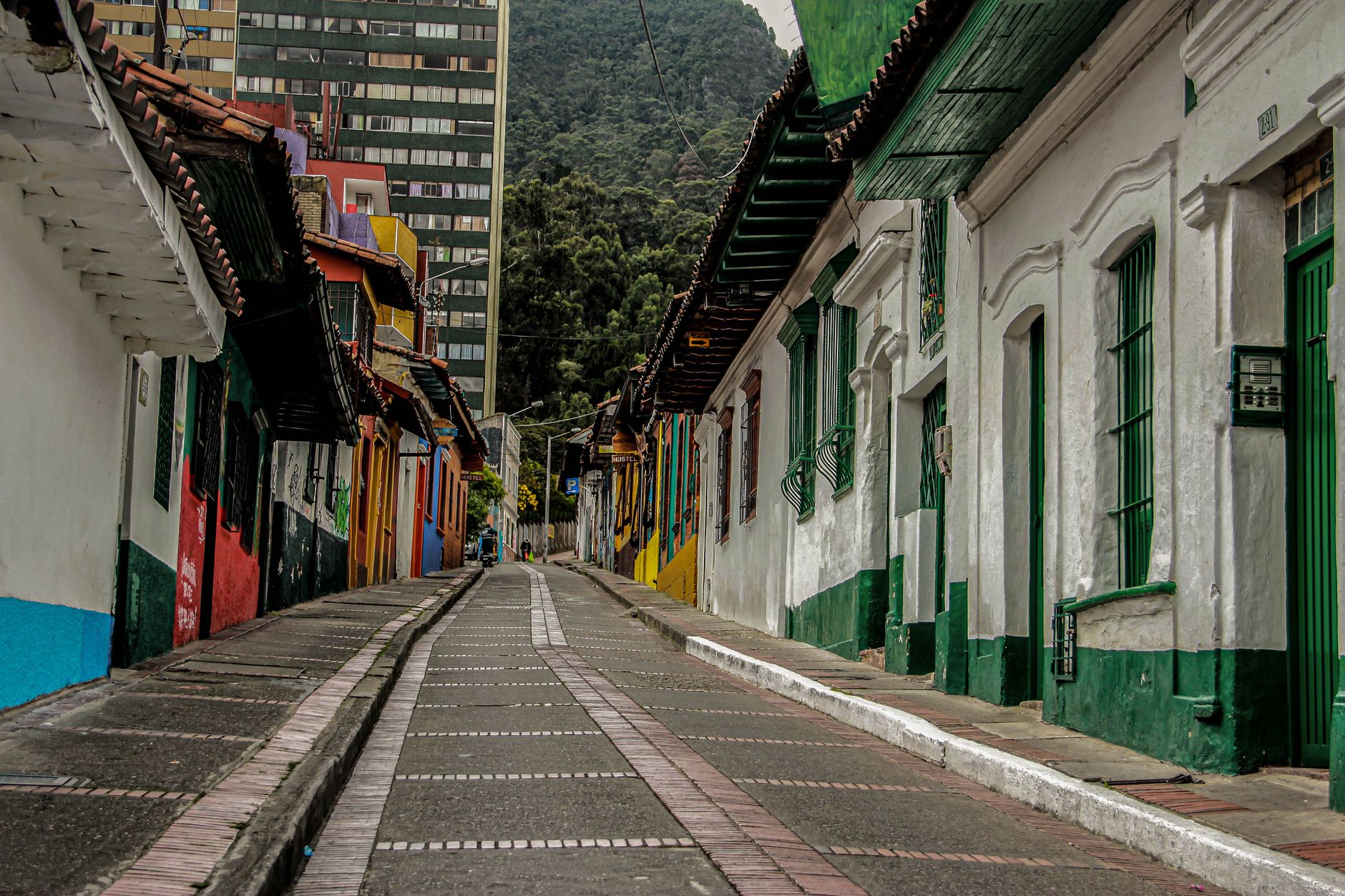
Arrive in Bogotá
Land at El Dorado International (BOG); Bogotá sits at about 2,640 m, so take the first afternoon slowly, drink plenty of water and let your body adjust to the altitude before doing anything strenuous.
A walking tour of La Candelaria
Take a guided historic and street-art walk through Bogotá's colonial old town of cobbled lanes, painted houses, the Plaza de Bolívar and the city's celebrated graffiti.
Day 2: Bogotá — the Gold Museum & Monserrate
Base: Bogotá — pre-Hispanic goldwork and the hilltop sanctuary
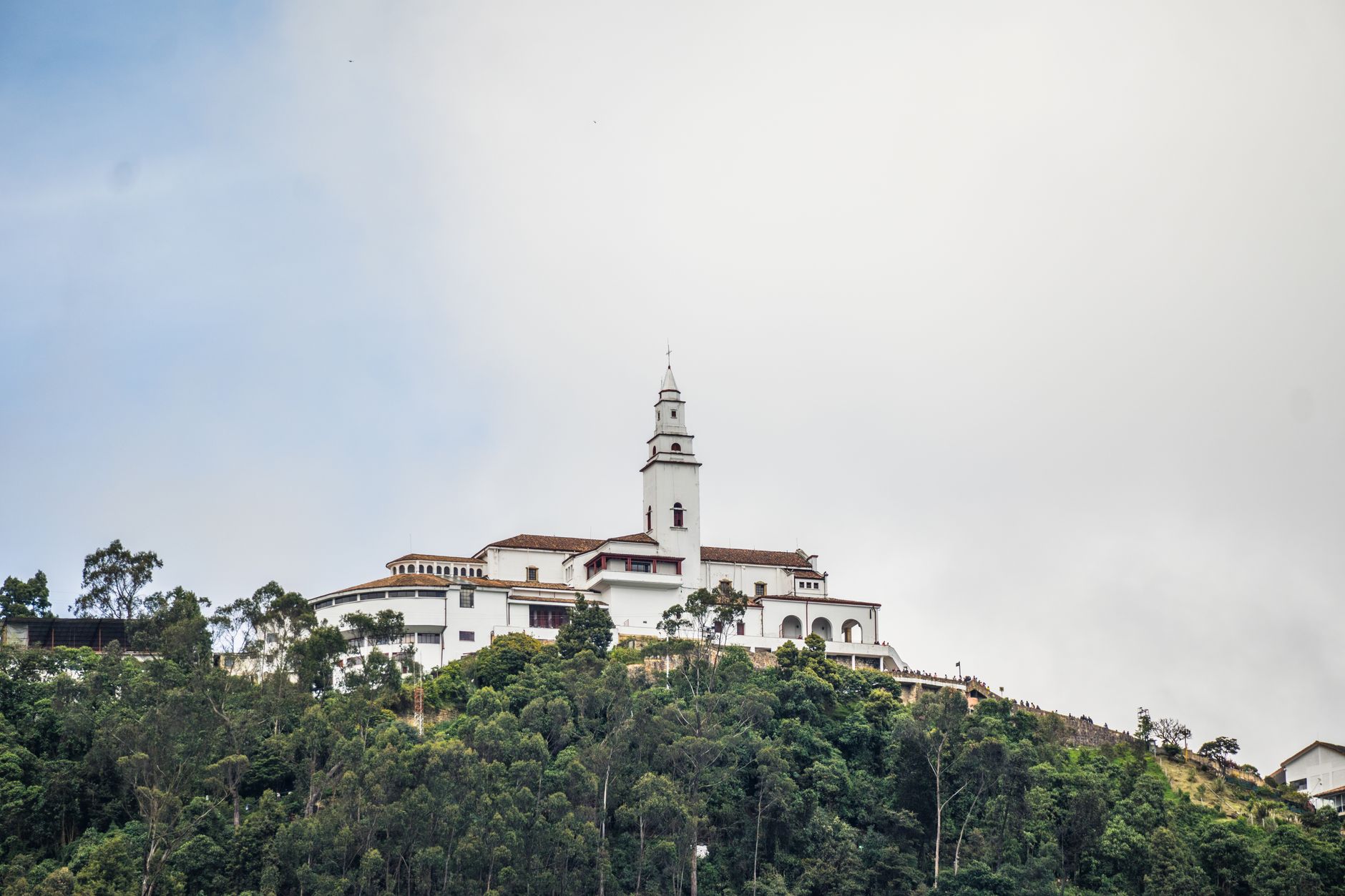

The Museo del Oro (Gold Museum)
Visit the ticketed museum holding one of the world's great collections of pre-Hispanic goldwork, including the Muisca gold and the famous Muisca raft — the story behind the El Dorado legend.
Monserrate
Visit the hilltop sanctuary above Bogotá, reached by a ticketed funicular or cable car, with sweeping views over the city — go on a clear morning or for sunset.
Day 3: The Salt Cathedral of Zipaquirá
Bogotá → Zipaquirá → Bogotá — an underground cathedral and a capital-city evening

The Salt Cathedral of Zipaquirá
Visit the ticketed underground cathedral carved into the tunnels of a working salt mine about an hour north of Bogotá, with illuminated crosses and chapels hewn from the rock.
Back to Bogotá & the Plaza de Bolívar
Return to the capital in the afternoon; stretch your legs on the vast Plaza de Bolívar, ringed by the cathedral and the government palaces, before an early night ahead of the flight to Medellín.
Day 4: Fly to Medellín — Plaza Botero & Comuna 13
Bogotá → Medellín — an internal flight, downtown sculpture and a guided hillside walk
Fly to Medellín
A one-hour internal flight from Bogotá drops you into the warmer, lower Aburrá Valley; Medellín sits at about 1,500 m and enjoys its famous spring-like climate year-round.

Plaza Botero
Walk the free downtown square studded with two dozen plump bronze sculptures donated by Medellín's own Fernando Botero, beside the Palace of Culture and the Antioquia Museum.
A Comuna 13 street-art tour
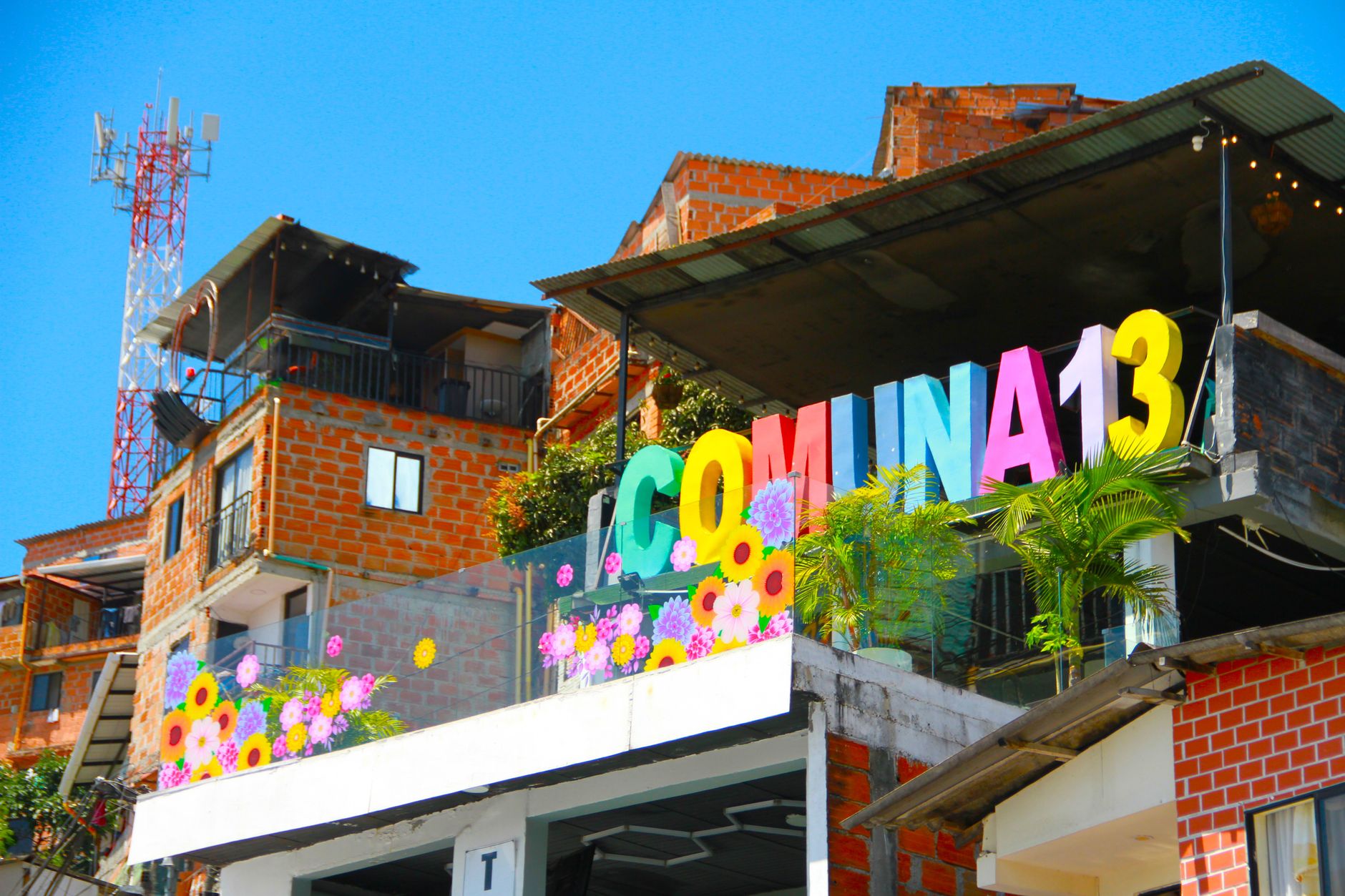
Take a guided walking tour of the hillside barrio once notorious for violence and now famous for its outdoor escalators, murals and the story of its transformation — best done with a local guide.
Day 5: Medellín — the Metrocable to Parque Arví
Base: Medellín — a gondola over the hillside barrios and an evening in El Poblado

The Metrocable & Parque Arví
Ride the Metro and the Metrocable gondola up over the hillside barrios to Parque Arví, a large forest reserve on the ridge above the city with trails and markets; the Arví line takes a separate ticket.
El Poblado & an evening in Medellín
Spend the evening in the leafy El Poblado district around Parque Lleras, the city's hub for restaurants and nightlife; keep valuables discreet and use a registered taxi or a ride app to get home late.
Day 6: Guatapé & the El Peñol rock
Medellín → Guatapé → Medellín — a guided lakeside-town and rock day trip
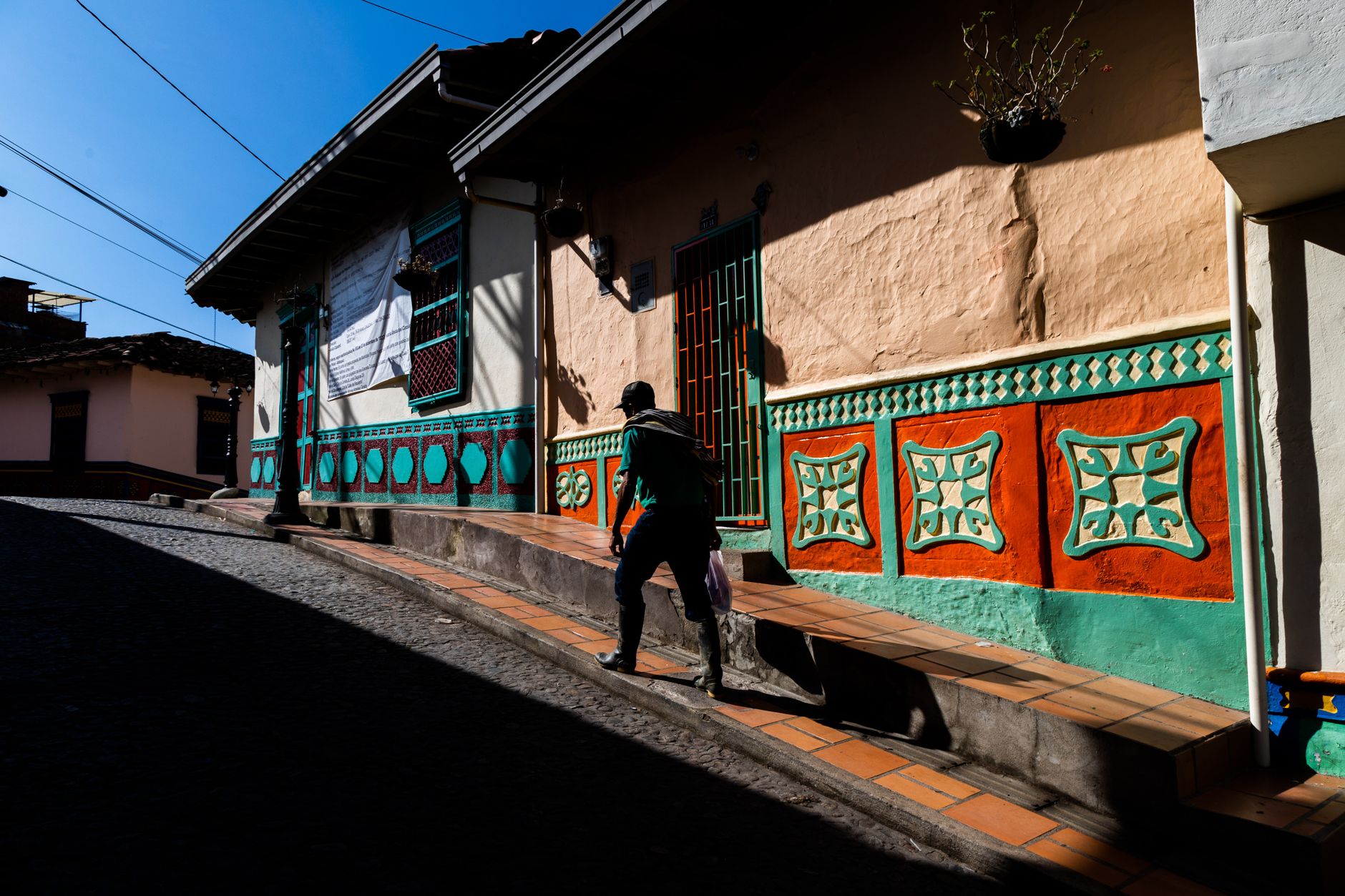
Guatapé & the El Peñol rock
Take a guided day trip about two hours east of Medellín to the lakeside town of Guatapé, famous for its brightly painted zócalo panels, and the towering El Peñol rock you climb by a staircase of about 740 steps for a view over the reservoir.
Back to Medellín
Drive back to the city in the late afternoon; it is your last night in Medellín before the morning flight to the Caribbean coast.
Day 7: Fly to Cartagena — the walled city & Getsemaní
Medellín → Cartagena — an internal flight and two guided walks
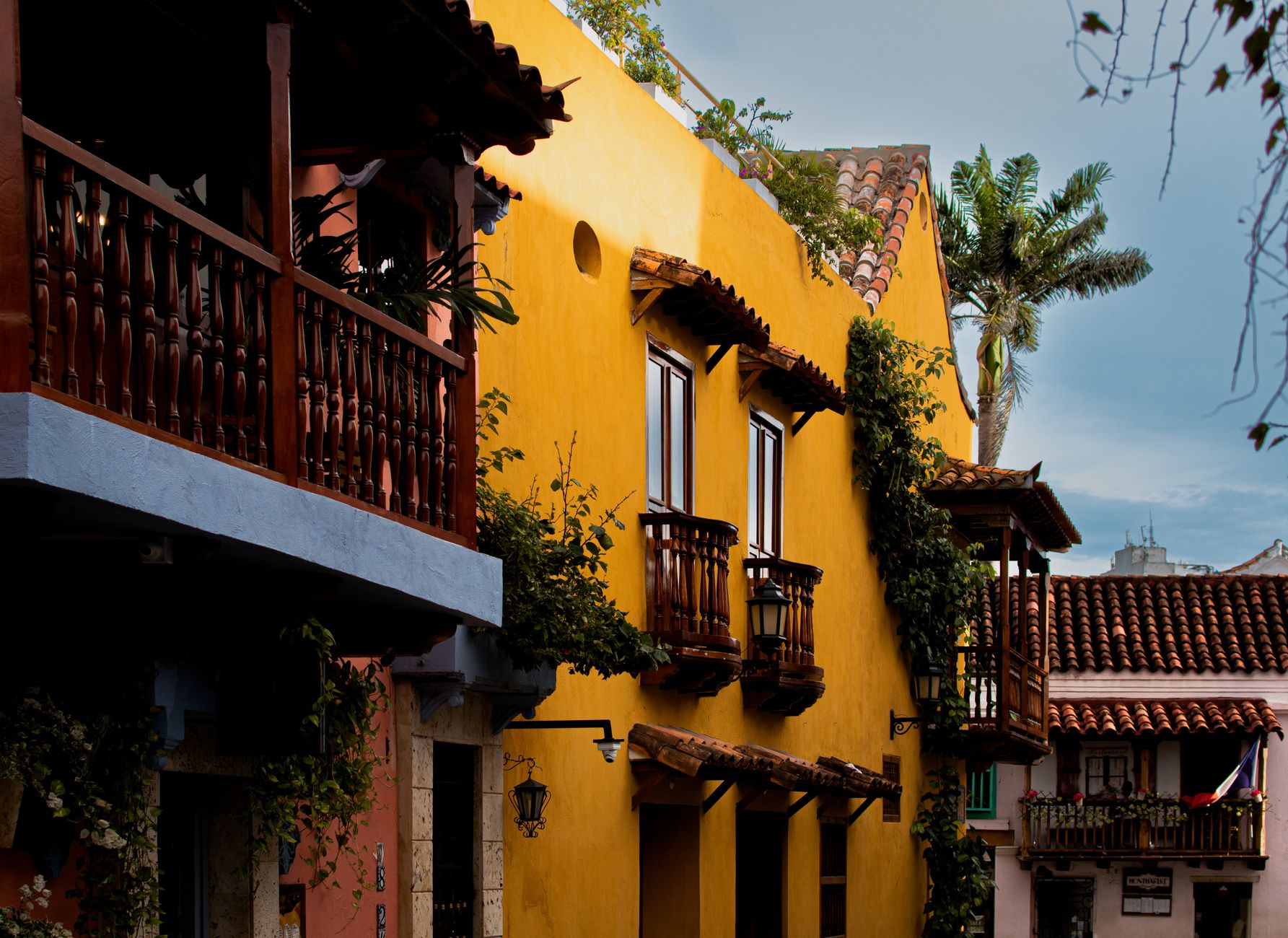
Fly to Cartagena
A short flight north brings you to the hot, humid Caribbean coast; Cartagena is at sea level, so trade the highland layers for sun protection and light clothing.
A walking tour of the walled Old City
Take a guided walk through Cartagena's UNESCO-listed walled centre of balconied colonial houses, plazas, churches and the old ramparts — the historic heart of the city.

Getsemaní street art & food walk
Take a guided evening walk through the bohemian Getsemaní district just outside the walls, famous for its flag-strung lanes, murals, street food and lively bars.
Day 8: Castillo San Felipe & the walls at sunset
Base: Cartagena — the Spanish fortress, sea walls and an old-town evening

Castillo San Felipe de Barajas
Visit the ticketed 17th-century Spanish fortress on a hill guarding Cartagena, with tiered ramparts, cannon and a warren of tunnels — the largest fort the Spanish built in the Americas.

The city walls at sunset
Take a free early-evening stroll along the top of Cartagena's old sea walls, a classic spot to watch the sun drop into the Caribbean; several café-bars sit right on the ramparts.
An evening in the old town
Round off the day with dinner in the walled city or Getsemaní; keep to well-lit streets, use a registered taxi or ride app after dark and agree the fare or use the app meter before setting off.
Day 9: A Rosario Islands boat day & departure
Cartagena → Rosario Islands → Rafael Núñez airport (CTG) — operated boat trip and departure

A boat day to the Rosario Islands
Take an operated boat trip out to the Islas del Rosario, a coral archipelago off Cartagena with turquoise water and beaches — take an early departure and a plan that gets you back in good time for an evening flight.
Transfer to the airport & departure
Head back to Cartagena and on to Rafael Núñez airport (CTG) for your flight; if your flight is early, swap the island day for a last morning in the walled city instead.
Bogotá through Medellín to Cartagena
Nine day-master anchors trace the route from Bogotá and Zipaquirá through Medellín and Guatapé to Cartagena and the Rosario Islands.
- 1
Bogotá — La Candelaria
Arrival and a guided historic and street-art walk through the colonial old town
- 2
Bogotá — Monserrate
The hilltop sanctuary and views over Bogotá
- 3
Zipaquirá — Salt Cathedral
The underground cathedral carved into salt-mine tunnels
- 4
Medellín — Comuna 13
A guided street-art walk through the transformed hillside barrio
- 5
Medellín — Metrocable / Parque Arví
The gondola ride over the hillside barrios to the forest reserve
- 6
Guatapé & El Peñol
The colorful zócalo town and the towering rock above the reservoir
- 7
Cartagena — walled Old City
The UNESCO-listed colonial centre, plazas and old ramparts
- 8
Cartagena — Castillo San Felipe
The tiered Spanish fortress and its tunnels
- 9
Rosario Islands
An operated boat day among the Caribbean islands
Frequently Asked Questions
How many days do you need for Colombia?
About nine days is enough to see the three headline cities — Bogotá, Medellín and Cartagena — with a couple of day trips, without rushing; add days for the Coffee Region, Tayrona or the Amazon if you have longer.
What is the best time to visit Colombia?
Colombia sits near the equator, so temperatures barely change with the seasons; the driest and sunniest windows are roughly December to March and July to August, but the trip works year-round.
How do I get around between Bogotá, Medellín and Cartagena?
The three cities are far apart, so link them by short internal flights rather than long overland drives; within cities use the Medellín metro, registered taxis and ride apps.
Do I need to worry about altitude in Bogotá?
Bogotá sits at about 2,640 m, so take your first day slowly, drink plenty of water and go easy on alcohol and strenuous climbs until you have adjusted.
Is Colombia safe for tourists?
The main cities are welcoming and much safer than their old reputation, but use common sense — stay aware in crowds, keep valuables out of sight, don't flash cash and use registered taxis or a ride app after dark.
Do I need a visa for Colombia?
Many nationalities, including US, UK, EU, Canadian and Australian visitors, can enter Colombia visa-free for tourism for up to 90 days — check the official Migración Colombia site for your passport and current rules.
Is a day trip to Guatapé and the El Peñol rock worth it from Medellín?
Yes — it is Medellín's classic day trip: the brightly painted town of Guatapé and the roughly 740-step climb up the El Peñol rock for a panorama over the reservoir, about two hours each way.
What currency is used in Colombia and can I pay by card?
The Colombian peso; cards are widely accepted in cities and larger shops and restaurants, but carry some cash for markets, small cafés, taxis and the islands.
Make this plan your own
Copy this plan into your account in one click — keep the original for reference and edit your copy any way you like.
Sign in once to save and edit your own copy.