

China Itinerary: Beijing, Xi'an & Shanghai in 9 Days
China's classic trio in nine days.
This route links imperial Beijing — the Forbidden City, the Temple of Heaven, the Summer Palace and the Great Wall at Mutianyu — with ancient Xi'an and its Terracotta Army, Ming City Wall, Bell Tower and Muslim Quarter, then modern Shanghai's Yu Garden, Lujiazui skyline, Huangpu cruise and the Bund, stitched together by China's fast, comfortable high-speed rail.
Best time: the shoulder seasons of April–May and September–October are mild and drier; summers are hot and crowded and winters are cold, so this itinerary suits the spring or autumn windows.
- Fly into Beijing (PEK or PKX) and out of Shanghai (PVG) for an easy open-jaw route.
- Ride China's high-speed rail from Beijing to Xi'an and then Xi'an to Shanghai; book seats in advance and carry your passport, which is required to buy and use tickets and to enter major sites.
- Within the cities, the metro is cheap and extensive.
- Entry rules have eased a lot recently: many nationalities now qualify for visa-free entry or visa-free transit, while others still need a Chinese tourist visa arranged before travel. These policies change often, so don't assume either way.
- Check the current rules for your passport with a Chinese embassy or consulate, and keep your passport on you because it is checked at stations and major sights.
Where to Stay
Use one central base in each of the three cities
Where to Stay
Use one central base in each of the three cities
Beijing
Stay near the Forbidden City, Wangfujing or a central hutong district for nights 1–3.
Xi'an
Stay inside or near the City Wall around the Bell Tower for nights 4–6.
Shanghai
Stay near the Bund, People's Square or the former French Concession for nights 7–8.
Official links & tickets
Use official tourism, immigration, rail, museum and city sites for current requirements
Official links & tickets
Use official tourism, immigration, rail, museum and city sites for current requirements
National travel, entry and railway planning
Confirm entry rules and reserve intercity rail through the official sources.
Major museums and Shanghai planning
Check current admission guidance with the official museums and Shanghai tourism authority.
Budget Snapshot
Getting Around
9-Day Itinerary Breakdown
Day 1: Arrive in Beijing & the Temple of Heaven
Beijing Capital (PEK) or Daxing (PKX) → central Beijing — arrival and an imperial temple

Arrive in Beijing
Land at Beijing Capital (PEK) or Daxing (PKX), take the Airport Express or a taxi into the centre, settle in, and shake off the flight before your first sight.
The Temple of Heaven
Visit the ticketed imperial temple complex set in a large park, centred on the round Hall of Prayer for Good Harvests where the emperors prayed for the harvest — an easy first-day introduction to Beijing.
Day 2: Imperial Beijing — Tiananmen Square & the Forbidden City
Central Beijing — the great public square and the imperial Palace Museum
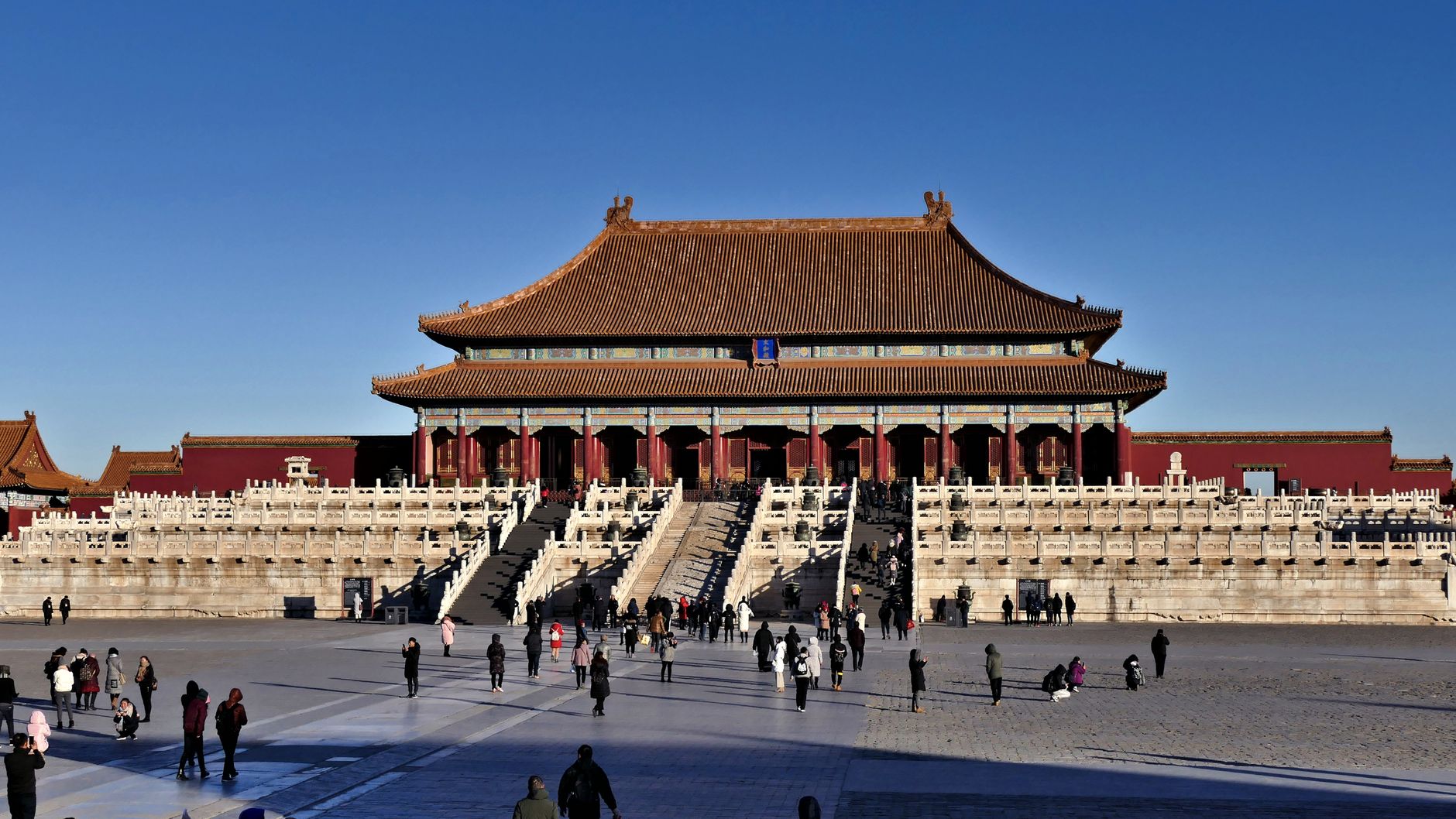

Tiananmen Square & the Gate of Heavenly Peace
Walk for free across one of the world's largest public squares, past the Monument to the People's Heroes and up to the Tiananmen gate; carry your passport, as there are security checks.
The Forbidden City (Palace Museum)
Explore the ticketed UNESCO imperial palace of nearly a thousand buildings along the central axis, from the Meridian Gate through the great halls to the Imperial Garden. Note the Palace Museum is closed Mondays (except statutory holidays, when the following Tuesday closes instead), sells no same-day tickets, and caps daily numbers, so book a timed slot with your passport when it releases seven days ahead at 20:00 Beijing time; if your Day 2 lands on a Monday, simply swap Days 2 and 3.
Day 3: The Great Wall at Mutianyu
Beijing → Mutianyu → Beijing — a full-day private-car or tour outing

The Great Wall at Mutianyu
Spend the day at this ticketed, well-restored section of the Great Wall about 1.5–2 hours from central Beijing, quieter than Badaling, with a cable car or chairlift up and a toboggan run down.
Return to Beijing for the evening
Drive back into the city in the late afternoon; try Peking duck or wander a hutong neighbourhood before an early Xi'an train the next day.
Day 4: The Summer Palace & the high-speed train to Xi'an
Beijing → Xi'an — imperial gardens followed by the reserved high-speed train
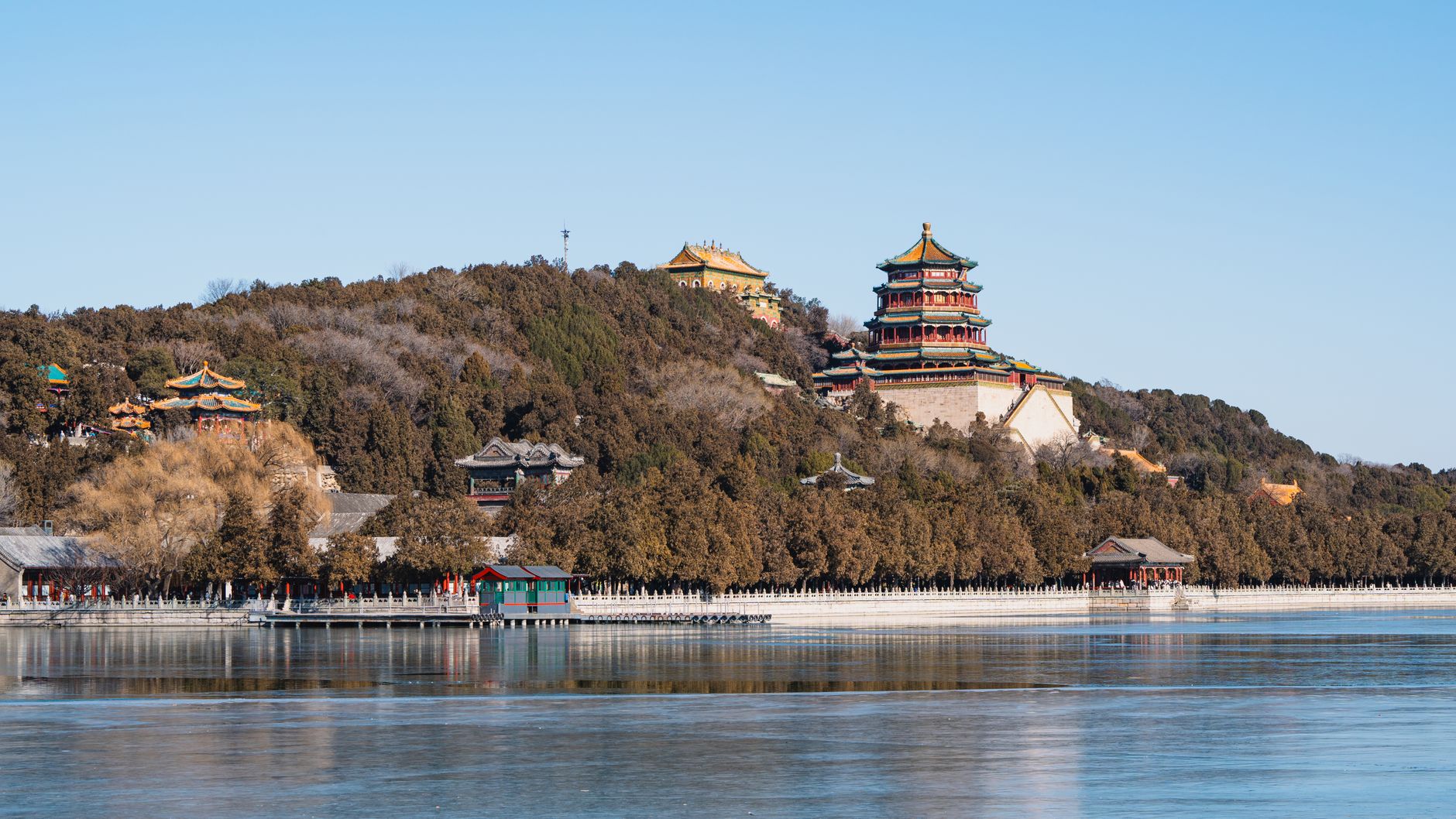
The Summer Palace
Visit the ticketed UNESCO imperial garden-and-lake retreat, with the Tower of Buddhist Incense on Longevity Hill, the Long Corridor and the Marble Boat around Kunming Lake. It is large, so give it a focused 2–3 hours around the eastern lakeside highlights rather than the full circuit, then head to Beijing West for an early-afternoon train so the day to Xi'an stays comfortable.
High-speed train to Xi'an
Beijing to Xi'an takes roughly 4.5–6 hours by high-speed rail from Beijing West station, so aim for an early-afternoon reserved seat to reach Xi'an at a reasonable hour; book in advance and bring your passport, which is needed to collect and use rail tickets.
Day 5: Xi'an — the Terracotta Army & the Bell Tower
Xi'an and the Qin mausoleum site — ancient warriors and the city-centre tower

The Terracotta Army (Museum of Qin)
Visit the ticketed UNESCO site about an hour east of Xi'an where thousands of life-sized clay warriors and horses guard the tomb of China's first emperor; Pit 1 is the vast, famous one, and a guide brings the excavation to life. Like the Forbidden City, it sells passport-linked timed tickets that should be booked online in advance, so reserve your slot before you go and carry the passport used to book.

The Bell Tower of Xi'an
Visit the ticketed Ming-dynasty tower marking the centre of the walled city, with drum-and-bell displays and views over the surrounding streets; it is beautifully lit after dark.
Day 6: Xi'an — the City Wall, the Muslim Quarter & the Great Mosque
Inside Xi'an's old walls — cycling, mosque courtyards and street-food lanes

Cycling the Xi'an City Wall
Walk or rent a bike at the South Gate for a ticketed circuit of the best-preserved Ming-dynasty city wall in China, riding the full 14 km loop past gate towers and rows of red lanterns.

The Great Mosque of Xi'an
Visit the ticketed working mosque in the Muslim Quarter, laid out like a Chinese temple with courtyards, pavilions and a prayer hall; it is one of the oldest and largest in China, so dress modestly.
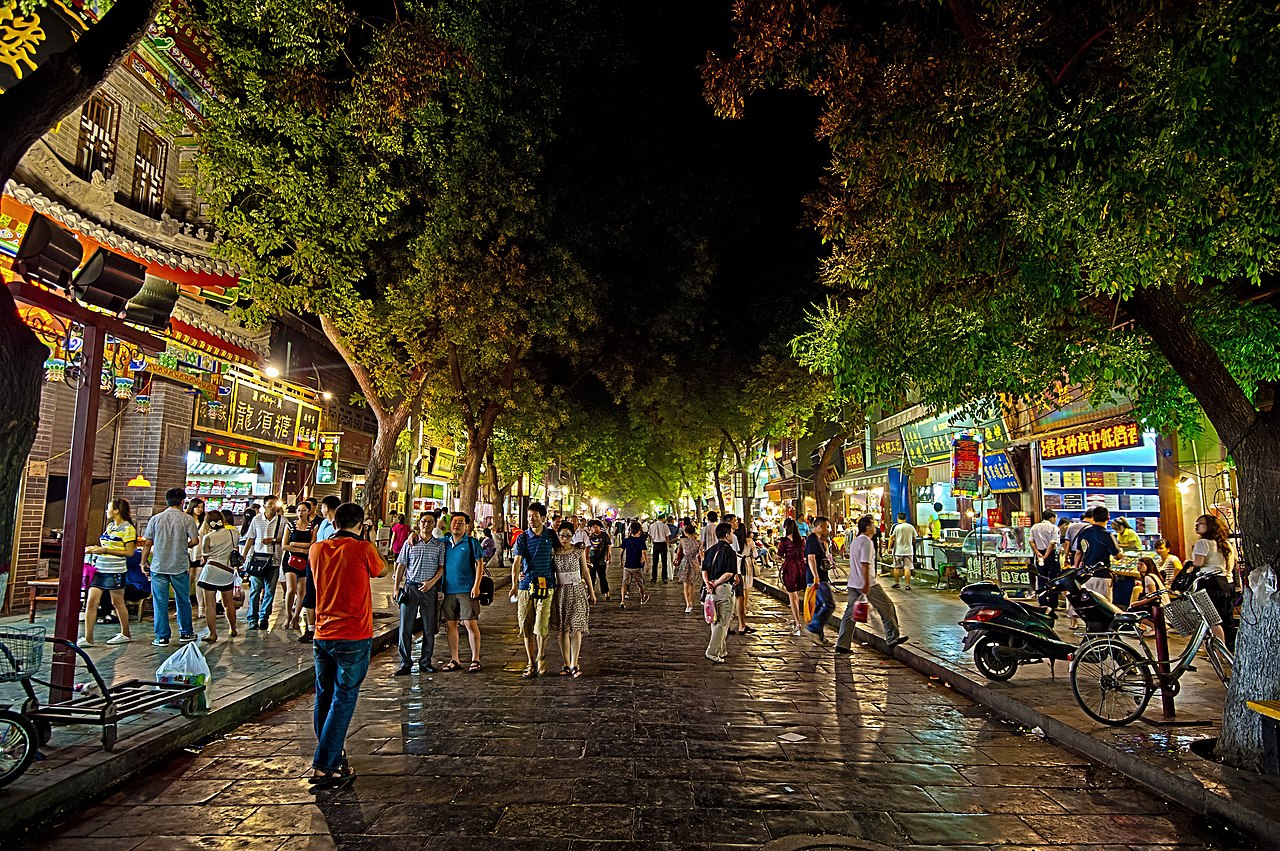
The Muslim Quarter street food lanes
Wander for free through the lantern-hung lanes around Beiyuanmen, packed with stalls selling roujiamo, hand-pulled noodles, skewers and persimmon cakes; come hungry, especially after dark.
Day 7: High-speed train to Shanghai & the Bund
Xi'an → Shanghai — high-speed rail followed by a waterfront evening

High-speed train to Shanghai
Xi'an to Shanghai is roughly 6–7 hours by high-speed rail; settle in for the ride across central China, then check in near the Bund or People's Square for easy access to the waterfront.
The Bund waterfront at dusk
Take a free evening stroll along the Huangpu River promenade, with the colonial-era banks and hotels of the Bund behind you and the lit Pudong skyscrapers across the water — best just as the lights come on.
Day 8: Shanghai — Yu Garden, the skyline & a river cruise
Shanghai's Old City, Lujiazui and the Huangpu River

Yu Garden (Yuyuan)
Explore the ticketed classical Ming-dynasty garden of rockeries, ponds, pavilions and dragon-topped walls in the Old City, wrapped by the lively Yuyuan Bazaar and the Huxinting teahouse.

A Lujiazui observation deck
Take a ticketed trip up one of Pudong's supertall towers — the Shanghai Tower's deck or the SWFC bottle-opener — for a bird's-eye view over the river, the Bund and the sprawling city.

A Huangpu River sightseeing cruise
Join a guided sightseeing boat trip along the Huangpu, gliding between the floodlit Bund and the neon towers of Pudong — the classic way to see both skylines lit up at night.
Day 9: A last Shanghai morning & departure
Nanjing Road and People's Square before the airport transfer
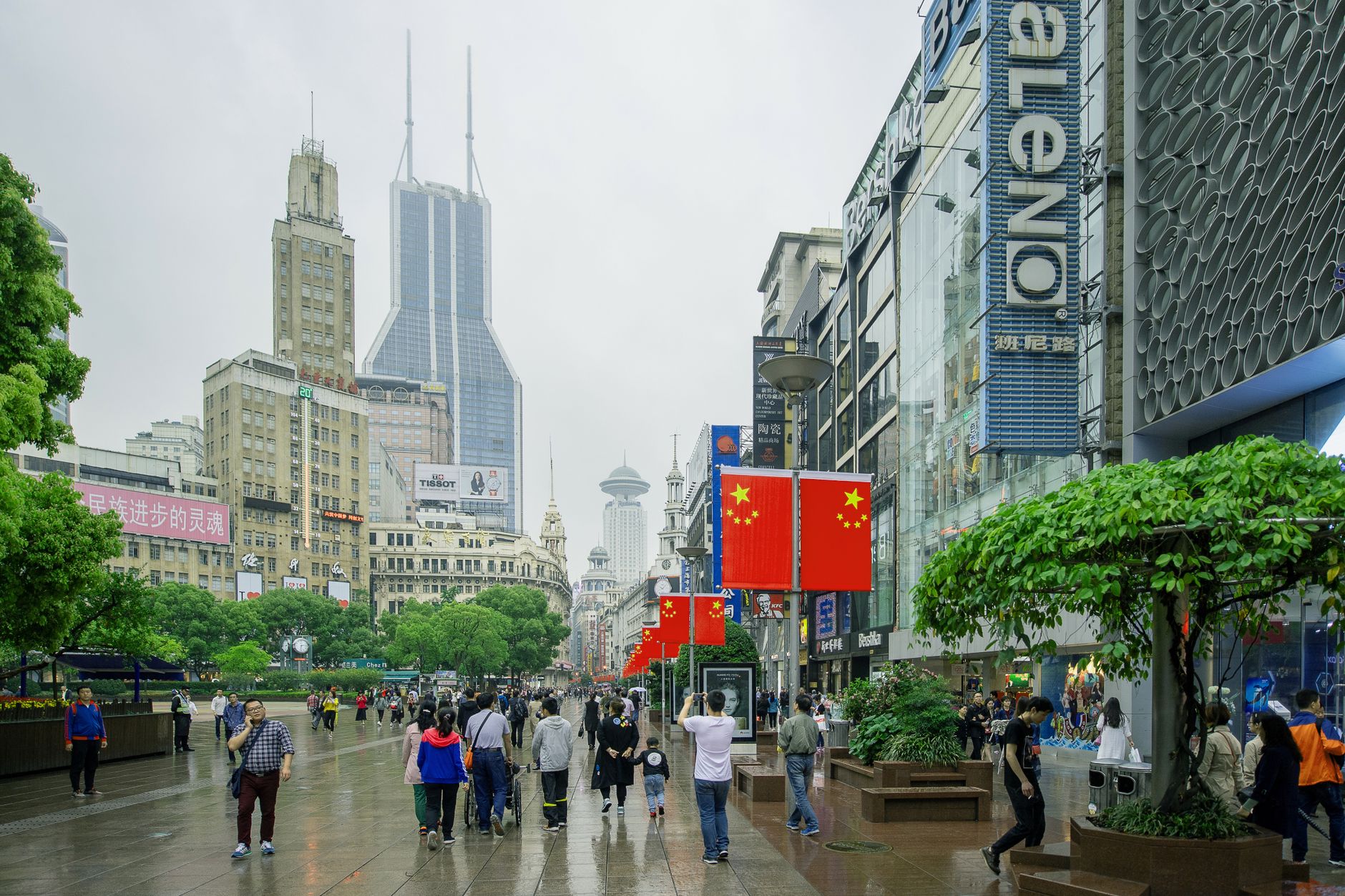
Nanjing Road & People's Square
Take a free last-morning stroll down China's most famous shopping street to People's Square, window-shop the department stores, grab breakfast and pick up souvenirs before heading out.
Transfer to the airport & departure
Take the Maglev or metro out to Pudong (PVG), or the metro to Hongqiao (SHA), in good time; international departures usually leave from Pudong, so allow for the cross-city trip and security.
Beijing through Xi'an to Shanghai
Nine visual-day anchors trace the route from Beijing's imperial sights and the Great Wall through Xi'an's ancient landmarks to Shanghai's riverfront and skyline.
- 1
Beijing — Temple of Heaven
Arrival and the Hall of Prayer for Good Harvests
- 2
Beijing — Forbidden City
Tiananmen Square and the Palace Museum
- 3
Great Wall — Mutianyu
A full day on the restored Great Wall
- 4
Beijing — Summer Palace
The imperial garden before the train to Xi'an
- 5
Xi'an — Terracotta Army
The Qin emperor's warriors and the Bell Tower
- 6
Xi'an — City Wall
The Ming wall, Great Mosque and Muslim Quarter
- 7
Shanghai — the Bund
High-speed rail arrival and a waterfront evening
- 8
Shanghai — Yu Garden
The Old City, Lujiazui skyline and Huangpu cruise
- 9
Shanghai — Nanjing Road
A last city walk before departure
Frequently Asked Questions
How many days do you need for Beijing, Xi'an and Shanghai?
About nine days covers all three comfortably — three to four days in Beijing including the Great Wall, two in Xi'an and two to three in Shanghai — with high-speed trains linking the cities.
What is the best time to visit China?
The shoulder seasons of April–May and September–October are the most pleasant — mild and drier — while summers are hot and crowded and winters are cold; avoid the national Golden Week holidays in early October if you can.
How do I get between Beijing, Xi'an and Shanghai?
China's high-speed rail is the easiest way — roughly 4.5–6 hours from Beijing to Xi'an and 6–7 hours from Xi'an to Shanghai; book reserved seats in advance and carry your passport, which is needed to buy and use tickets.
Do I need a visa for China?
It depends on your passport and changes often: many nationalities now qualify for visa-free entry or visa-free transit, while others still need a Chinese tourist visa arranged before travel; check the current rules for your passport with a Chinese embassy or consulate before you book.
Which Great Wall section is best from Beijing?
Mutianyu is a popular restored section about 1.5–2 hours from central Beijing — well restored, less crowded than Badaling, and served by a cable car or chairlift up and a toboggan run down; allow a full day for the trip.
How do payments work in China — can I use cash or cards?
China is largely cashless, so set up WeChat Pay or Alipay and link an international card before you arrive; carry some cash as a backup, as foreign cards are not accepted everywhere.
Will my phone and apps work in China?
Google, WhatsApp, Instagram and many Western sites are blocked by the Great Firewall, so install a VPN before you travel if you need them, and consider a local eSIM or roaming plan plus a translation app.
Do I need to book tickets for the Forbidden City and Terracotta Army in advance?
Yes. Major sites like the Forbidden City, the Great Wall and the Terracotta Army often require advance, passport-linked tickets booked online, and they sell out on busy days, so reserve ahead and bring your passport.
Make this plan your own
Copy this plan into your account in one click — keep the original for reference and edit your copy any way you like.
Sign in once to save and edit your own copy.