
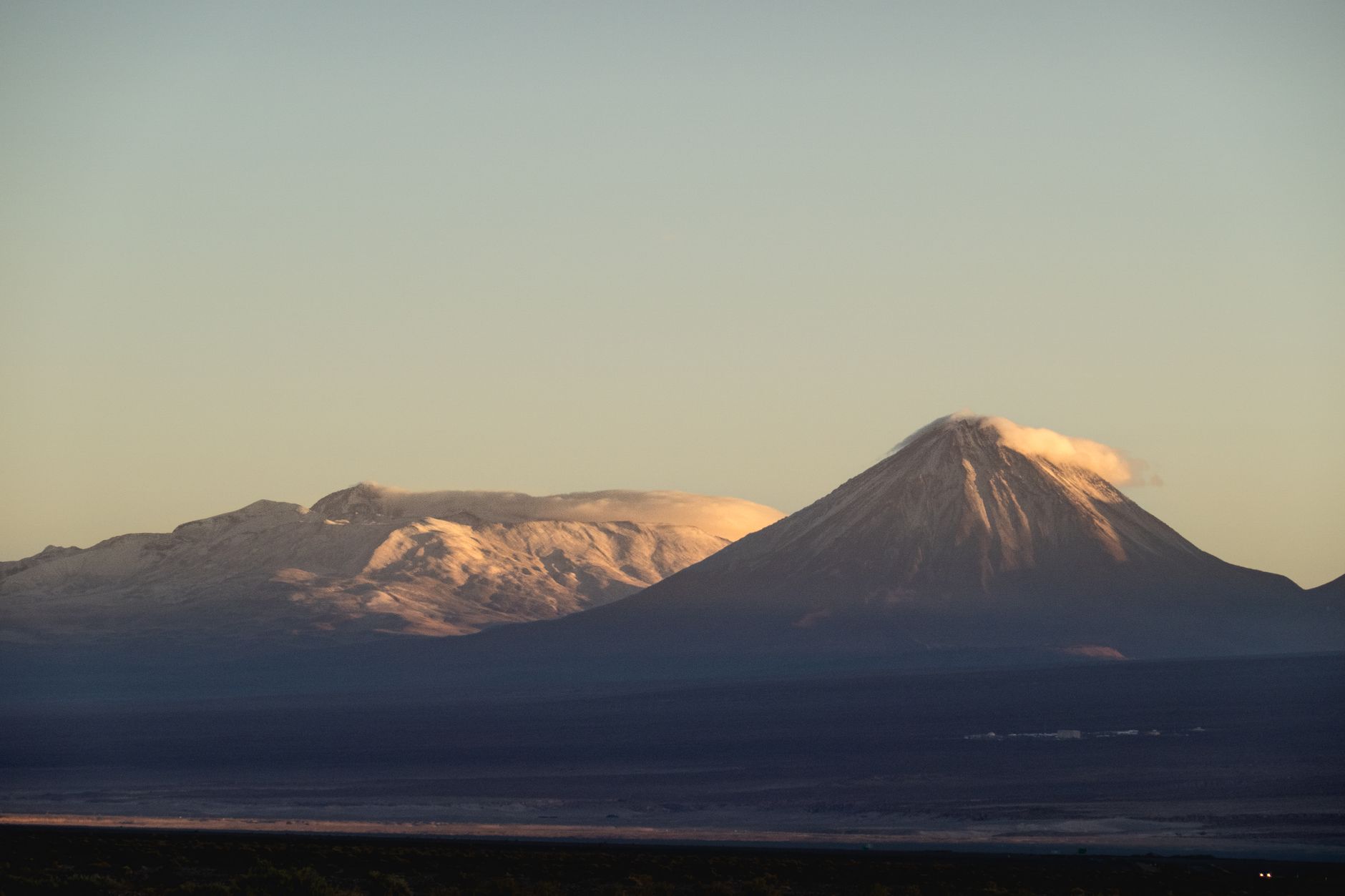
Chile Itinerary: Santiago, Valparaíso & the Atacama Desert in 9 Days
Capital, coast and the driest desert on Earth.
In nine days this route pairs Chile's two classic city stops — Santiago with its Plaza de Armas, Neruda's La Chascona and the Sky Costanera skyline, plus a day in the mural-covered hills of UNESCO-listed Valparaíso — with five nights in San Pedro de Atacama for the Valle de la Luna, the high lagunas and Piedras Rojas, the El Tatio geysers and some of the best stargazing on the planet.
Best time: the Atacama works year-round, though altiplano nights are freezing in winter; Santiago and Valparaíso are at their best from about October to April.
- Fly into Santiago (SCL); the centre, Bellavista and Valparaíso work by metro, bus and on foot.
- The desert leg is a roughly two-hour flight to Calama (CJC) plus a roughly 1.5-hour transfer to San Pedro de Atacama.
- Nearly everything outside San Pedro village is visited on agency-run tours booked on Caracoles street or online.
- San Pedro sits at about 2,400 m, but El Tatio is at 4,320 m and the Lagunas Altiplánicas/Piedras Rojas circuit runs above 4,000 m, so acute mountain sickness is a real risk on the high tours.
- Spend your first desert day low at the village and Valle de la Luna, schedule the highest tours after a night or two of acclimatising, hydrate constantly and go easy on alcohol.
- Tell your guide immediately if a bad headache, dizziness or nausea sets in — descending is the treatment and the vans descend fast.
Where to Stay
Use Santiago and San Pedro de Atacama as the two overnight bases
Where to Stay
Use Santiago and San Pedro de Atacama as the two overnight bases
Santiago
Stay in Lastarria, Bellas Artes or Providencia for nights 1–3; Valparaíso is done as a day trip.
San Pedro de Atacama
Use San Pedro for nights 4–8, from hostels on Caracoles to adobe boutique lodges on the village edge; book desert beds well ahead in the January–February and July peaks.
Official links & tickets
Use official tourism, park and attraction sites for current details
Official links & tickets
Use official tourism, park and attraction sites for current details
Official Chile planning links
Confirm current tickets, opening patterns and protected-area information before setting out.
Budget Snapshot
Getting Around
9-Day Itinerary Breakdown
Day 1: Arrive in Santiago — the old centre & Cerro San Cristóbal
Land at Santiago (SCL), settle into a central base and begin with the historic centre and the city's great hilltop view.

Arrive in Santiago
Land at Arturo Merino Benítez International (SCL); official airport buses and registered taxis run into the centre — base yourself around Lastarria, Bellas Artes or Providencia.

Plaza de Armas & the Metropolitan Cathedral
The palm-shaded founding square of Santiago is ringed by the Metropolitan Cathedral, the Central Post Office and the National History Museum — it is free to wander.
Cerro San Cristóbal by funicular
The ticketed 1925 funicular climbs from Barrio Bellavista through the Parque Metropolitano to the Virgin-topped summit and the best sunset panorama of Santiago and the Andes; a teleférico cable car also runs from the Providencia side — check Parquemet for hours.
Day 2: Santiago — the market, Neruda's house & the skyline
Spend a full Santiago day between the historic market, Barrio Bellavista and the city's highest observation deck.


Lunch at the Mercado Central
Santiago's wrought-iron 19th-century market hall is a working fish market ringed by seafood restaurants — go at lunchtime and try a caldillo de congrio; entry is free.
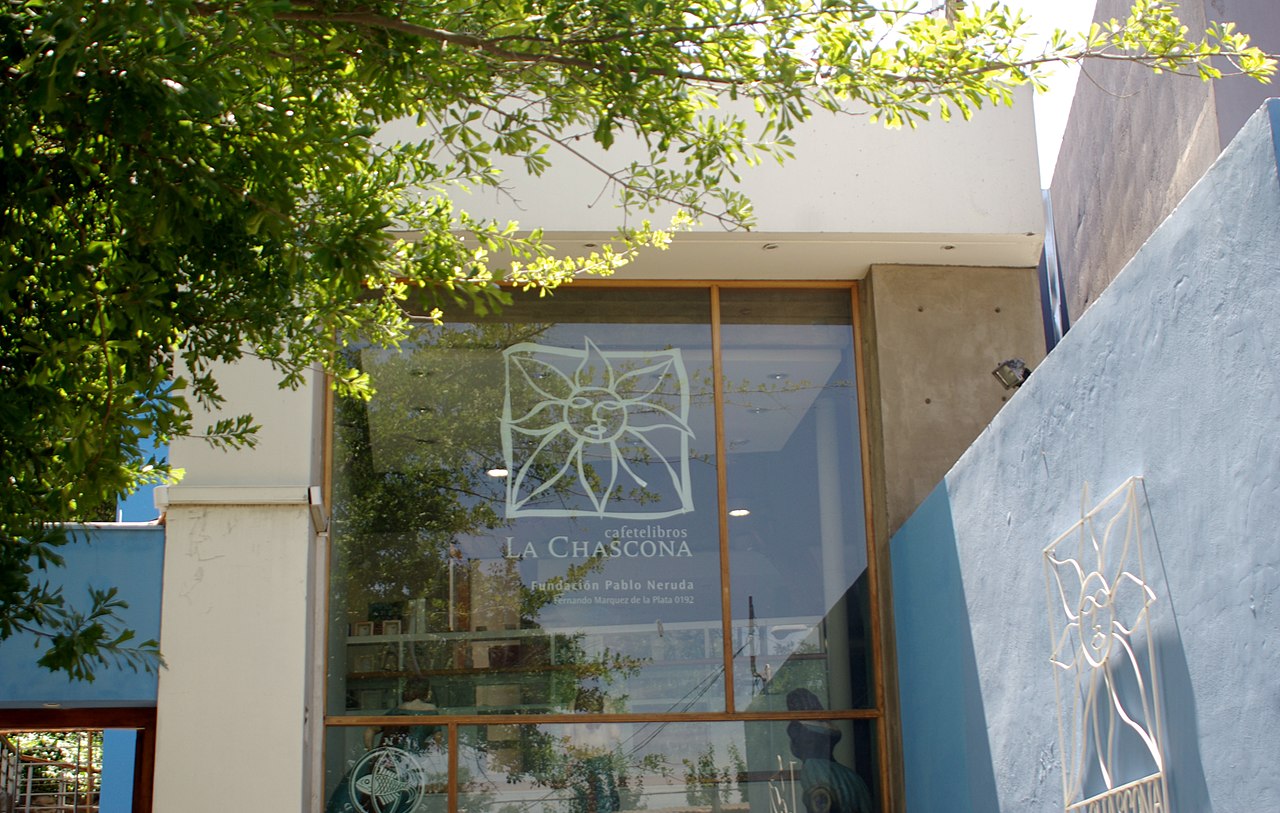
La Chascona — Pablo Neruda's Santiago house
The poet's quirky, ship-like Bellavista house is now a ticketed Fundación Pablo Neruda museum with an audio-guided visit; it is closed Mondays, so check the foundation's site.
Sky Costanera observation deck
A ticketed 360° observation deck on floors 61–62 of the Gran Torre Santiago, the tallest building in South America — the clearest Andes views come on a low-smog day, and sunset slots sell out.
Day 3: Valparaíso day trip — hills, funiculars & street art
Take the intercity bus to Valparaíso, stay on the main tourist hills and return to your Santiago hotel at night.

A guided street-art walk of Cerros Alegre & Concepción
A guided walking tour is the honest way to unlock UNESCO-listed Valparaíso — the murals, the mansions of the nitrate era and the stories behind the port's rise and fall, concentrated on Cerro Alegre and Cerro Concepción.

Ride a historic ascensor
Valparaíso's century-old hillside funiculars are a paid ride and an attraction in one — Ascensor Concepción, the oldest from 1883, and El Peral are the classics; a small fare is paid at the turnstile. Only a handful of the city's sixteen ascensores run at any one time and individual lifts close for restoration, so check locally which are open.
Back to Santiago for the night
Keep valuables minimal and stay on the main tourist hills — petty theft is Valparaíso's one real caveat; buses back to Santiago run into the evening.
Day 4: Fly north — Calama & into San Pedro de Atacama
Fly from Santiago to Calama, transfer across the desert and take the first afternoon slowly at 2,400 m.

Fly Santiago → Calama & transfer to San Pedro
Several airlines fly the SCL–CJC route daily; shared shuttles and pre-booked transfers meet arrivals for the roughly 1.5-hour drive to San Pedro de Atacama at 2,400 m — take the first afternoon slowly and start adjusting to the altitude.
San Pedro de Atacama village & its adobe church
Wander free through the dusty adobe lanes around Caracoles street to the whitewashed 17th-century Church of San Pedro, one of Chile's oldest — book your next days' tours at the agencies along the main street this evening.
Day 5: The Pukará de Quitor & a Valle de la Luna sunset
Keep the fortress climb for the cooler morning, then take a guided afternoon tour into the Cordillera de la Sal.


The Pukará de Quitor fortress
Visit the ticketed 12th-century Atacameño hilltop fortress 3 km from the village, run by the local community — climb to the summit arch for a panorama of the oasis and the Licancabur volcano, and go in the cooler morning.
Valle de la Luna at sunset
Take the classic afternoon guided tour into the salt-sculpted Valley of the Moon in the Cordillera de la Sal — dunes, ridges and a sunset that turns the whole valley red; entry to the site is regulated and most visitors go with a San Pedro agency.
Day 6: The altiplano — Lagunas Altiplánicas, Piedras Rojas & Chaxa
Use one full-day guided altiplano circuit for all three stops and keep the walking gentle above 4,000 m.
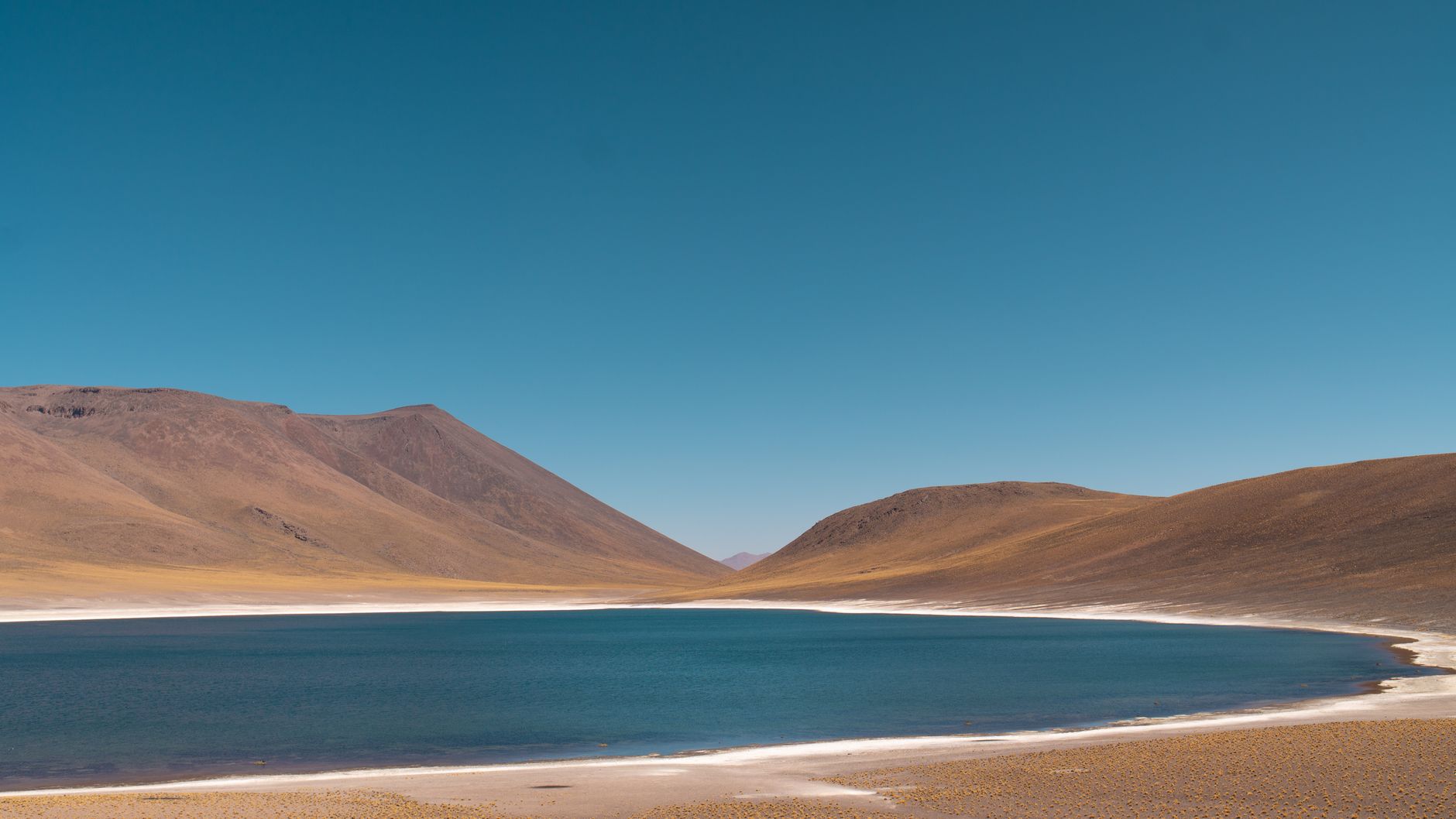
Lagunas Altiplánicas — Miscanti & Miñiques
The full-day guided altiplano circuit is the standard way up: the twin high-altitude lakes of Miscanti and Miñiques sit above 4,100 m beneath their namesake volcanoes — this one tour covers all three of today's stops.

Piedras Rojas & the Salar de Aguas Calientes
Stop here on the same full-day tour for rust-red boulder formations on the shore of a turquoise, salt-rimmed lagoon at roughly 4,000 m; walk only where the guide indicates because the terrain is protected.

Flamingos at Laguna Chaxa
The tour's Salar de Atacama stop in the Los Flamencos National Reserve is the best place to watch Andean, Chilean and James's flamingos feed in the mirror-still brine; the reserve entry fee — the site is run by CONAF with the Toconao community — is often included in the tour price, but confirm when booking.
Day 7: El Tatio at dawn & a night under the stars
Follow the pre-dawn high-altitude tour with a flat, restorative afternoon before the moon- and weather-dependent night tour.
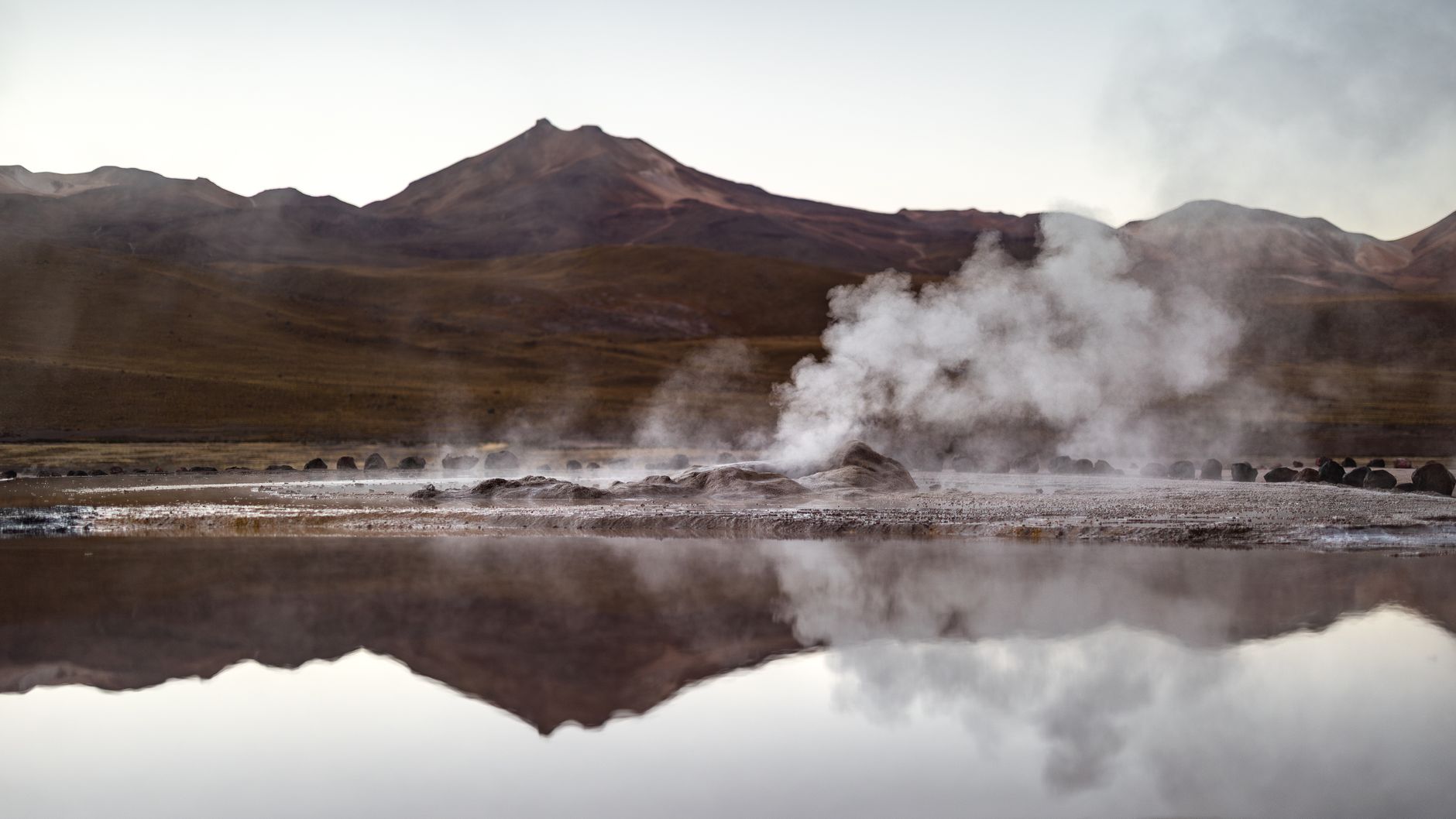
The El Tatio geyser field at sunrise
Take a guided pre-dawn tour — vans leave San Pedro around 4:30–5 am for the 4,320 m geyser basin, one of the highest on Earth, where the steam columns are tallest in the freezing first hour of light; stay strictly on the marked paths because the crusts are thin and the pools are scalding.
A slow Atacama afternoon
Sleep off the alpine start, rehydrate and keep the afternoon flat and easy — the altitude day after day is cumulative, so save energy for tonight's stargazing.
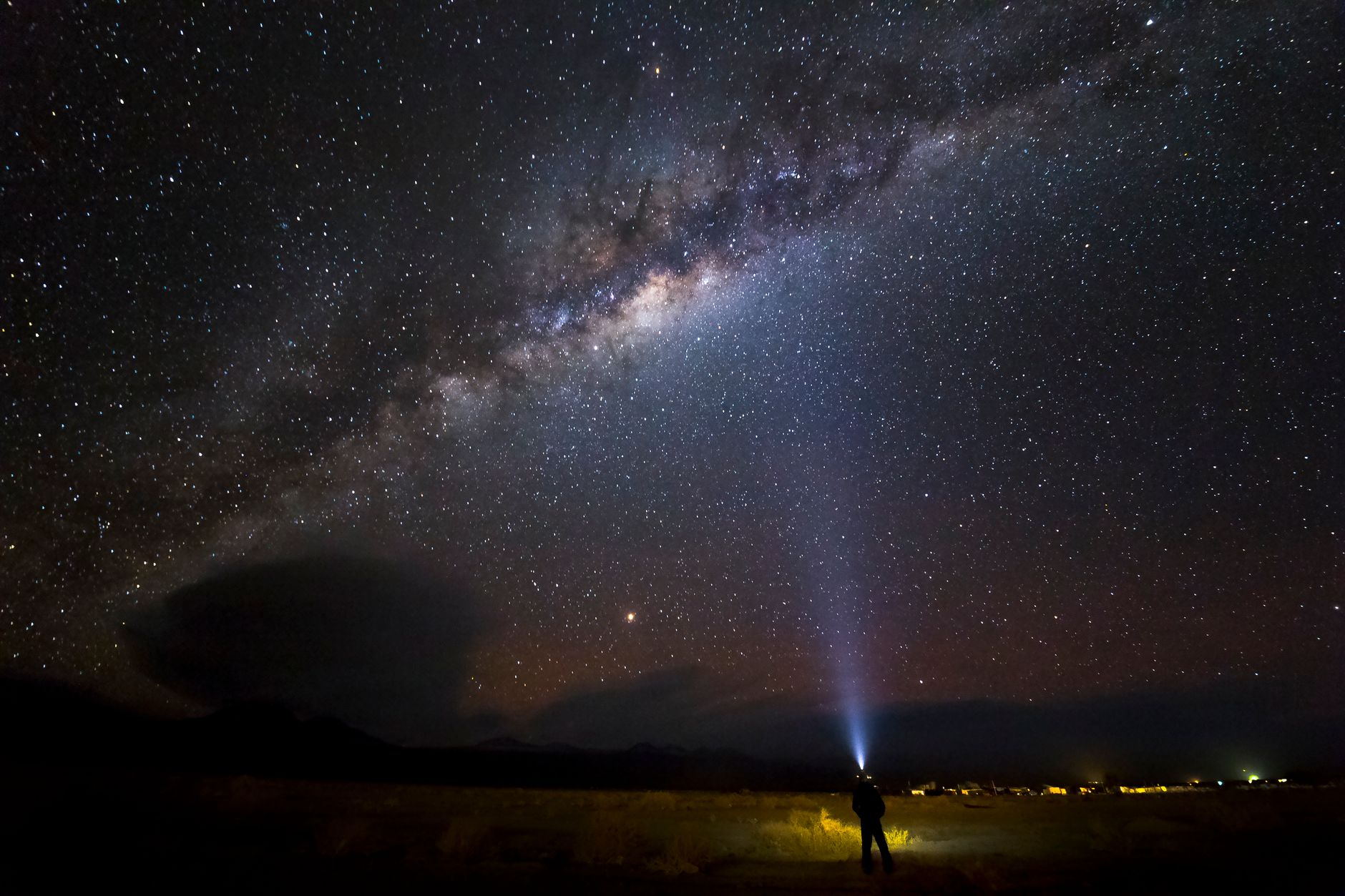
An Atacama stargazing tour
The Atacama's high, dry, cloudless skies are among the best on the planet for astronomy — guided night tours with telescopes run just outside San Pedro; they are moon- and weather-dependent and are generally cancelled around the full moon, so check the lunar calendar when you place this night.
Day 8: Laguna Cejar & a last desert evening
Take a half-day lagoon tour, float only in the designated sector and leave the final evening flexible in San Pedro.

Float at the Laguna Cejar complex
Take a half-day guided trip to the community-run sinkhole lagoons on the Salar de Atacama — the water is so salt-dense you float effortlessly, Dead Sea-style, and swimming or floating is allowed only in the designated Laguna Piedra sector; bring water shoes and rinse off at the showers after.
A last evening in San Pedro
Browse the artisan stalls off Caracoles, catch the sunset colours on Licancabur from the village edge, and confirm tomorrow's transfer and flight times.
Day 9: Back to Calama & departure
A fully text-only transfer and departure day with no master image.
Transfer to Calama & fly out
Shuttles and transfers make the roughly 1.5-hour run from San Pedro to Calama airport through the morning; allow a generous buffer because CJC is small and queues bunch around the midday departures.
Connecting through Santiago
Most international routes connect via Santiago (SCL); through-checked bags usually stay checked, but confirm with your airline — same-day connections are comfortable with a three-hour window.
Santiago, Valparaíso & the Atacama Desert
Eight day-master anchors trace the route from Santiago and Valparaíso north to San Pedro de Atacama, the Valle de la Luna, the high altiplano, El Tatio and Laguna Cejar.
- 1
Santiago — Cerro San Cristóbal
The funicular and Santiago skyline
- 2
Santiago — Sky Costanera
The capital's skyline and Andes backdrop
- 3
Valparaíso — Cerro Alegre
Street art, historic hills and ascensores
- 4
San Pedro de Atacama village
Adobe lanes and the desert base
- 5
Valle de la Luna
Salt ridges and a desert sunset
- 6
Laguna Miscanti — altiplano
High-altitude lakes and volcanic landscapes
- 7
El Tatio geysers
A pre-dawn high-altitude geyser field
- 8
Laguna Cejar — Salar de Atacama
Salt lagoons and a designated floating sector
Frequently Asked Questions
How many days do you need for Chile?
Nine days covers the classic first-timer pairing — Santiago plus a Valparaíso day trip, and five nights in the Atacama — without rushing. Patagonia and the Lake District each need a separate trip or a much longer window.
What is the best time to visit Chile?
The Atacama is a year-round destination and its days are sunny in every month, though altiplano nights are freezing in winter. Santiago and Valparaíso are at their best in the southern-hemisphere warm season from about October to April.
How do I get from Santiago to the Atacama Desert?
Fly from Santiago (SCL) to Calama (CJC) in about two hours — several airlines run the route daily — then take a pre-booked transfer or shared shuttle for the roughly 100 km, 1.5-hour drive to San Pedro de Atacama.
Do I need to worry about altitude in the Atacama?
Yes. San Pedro itself sits at about 2,400 m, but El Tatio is at 4,320 m and the altiplano lagunas top 4,100 m. Do the low sights first, hydrate, avoid heavy alcohol early on and book the highest tours for your later days.
Can I visit the Atacama sights independently?
A few close-in sites can be reached under your own steam, but nearly everything — Valle de la Luna, El Tatio, the Lagunas Altiplánicas, Cejar and stargazing — is in practice visited on guided tours run by agencies out of San Pedro. Book a day or two ahead in high season.
Is Valparaíso worth a day trip from Santiago?
Yes. Frequent buses make the run in about 1.5–2 hours, and a day covers the UNESCO-listed hills, the historic ascensores and the street art of Cerros Alegre and Concepción. Keep valuables minimal and stay on the main tourist hills.
When is stargazing best in the Atacama?
On clear, moonless nights. The driest sky on Earth delivers year-round, but tours are generally cancelled around the full moon and in rare cloudy spells, so check the lunar calendar before fixing your night.
Do I need a visa for Chile?
Many nationalities, including the US, UK, EU, Canada and Australia, enter visa-free as tourists for up to 90 days. Check current requirements for your passport with the Chilean consulate before travelling.
Is the tap water safe and what should I budget per day?
Tap water is generally fine in Santiago, while in the desert most travellers stick to bottled or filtered water. A realistic range is about $80–$200 per day depending on lodging and how many Atacama tours you stack — confirm tour and entry prices locally, as they change.
Make this plan your own
Copy this plan into your account in one click — keep the original for reference and edit your copy any way you like.
Sign in once to save and edit your own copy.