
Cambodia Itinerary: Siem Reap, Angkor & Phnom Penh in 7 Days
The temples of Angkor and the story of Cambodia.
In seven days this route pairs the great temple-city of Angkor around Siem Reap — Angkor Wat, Angkor Thom and the Bayon, Ta Prohm and Banteay Srei — with a boat trip on the Tonlé Sap, then the capital Phnom Penh: the gilded Royal Palace, the sobering Tuol Sleng and Choeung Ek memorials, and the breezy riverfront.
Best time: the cool, dry season from about November to March is the most comfortable for temple days and boat trips; April and May are very hot, and the June–October monsoon brings rain but a fuller Tonlé Sap.
- Fly into Siem Reap (SAI) for Angkor, then take the short flight or a long-distance bus to Phnom Penh (PNH) and fly home from the capital.
- Angkor sites all run on the official Angkor Archaeological Park pass — one-, three- or seven-day — sold at the official ticket centre; the Royal Palace, Tuol Sleng and Choeung Ek are ticketed separately at the gate.
- Get around by metered tuk-tuk, the PassApp ride-hailing app, or a hired car with driver.
- Cambodia is hot and humid for most of the year, so start temple days at dawn, carry water, and wear a hat and sunscreen.
- The hottest months are April and May, when climbing temple stairs in the midday sun is draining, so pace yourself and rest in the shade.
Where to Stay
Use two bases for Angkor and the capital
Where to Stay
Use two bases for Angkor and the capital
Siem Reap for Angkor
Stay for nights 1–4 near the Old Market and Pub Street for dining, or choose a quieter resort out of town.
Phnom Penh for the capital
Stay for nights 5–6 along the riverfront on Sisowath Quay or in the central BKK1 district.
Official links & tickets
Use official tourism, entry, Angkor and memorial sites for current requirements
Official links & tickets
Use official tourism, entry, Angkor and memorial sites for current requirements
Cambodia entry and Angkor planning
Check current entry rules, Angkor passes and park guidance on the official sites.
Phnom Penh memorial sites
Use the official museum site and the UNESCO listing for current visitor information on the memorial sites.
Budget Snapshot
Getting Around
7-Day Itinerary Breakdown
Day 1: Arrive in Siem Reap & the buzz of Pub Street
Siem Reap — arrival, hotel check-in and a relaxed first evening

Arrive in Siem Reap
Fly into Siem Reap–Angkor International (SAI) or connect via Phnom Penh; buy or pre-arrange your Cambodia e-visa. Note that the new airport sits about 50km from town, so allow roughly an hour for the transfer to your hotel; then settle in and take the first evening easy before the early Angkor start.
Pub Street & the Night Market
Wander through Siem Reap's lively Pub Street and the adjacent Angkor Night Market for food stalls, bars and souvenir stands; nothing needs booking, so just turn up.
Day 2: Angkor Wat at sunrise, Angkor Thom & the Bayon
Base: Siem Reap — an Angkor Archaeological Park pass day from sunrise

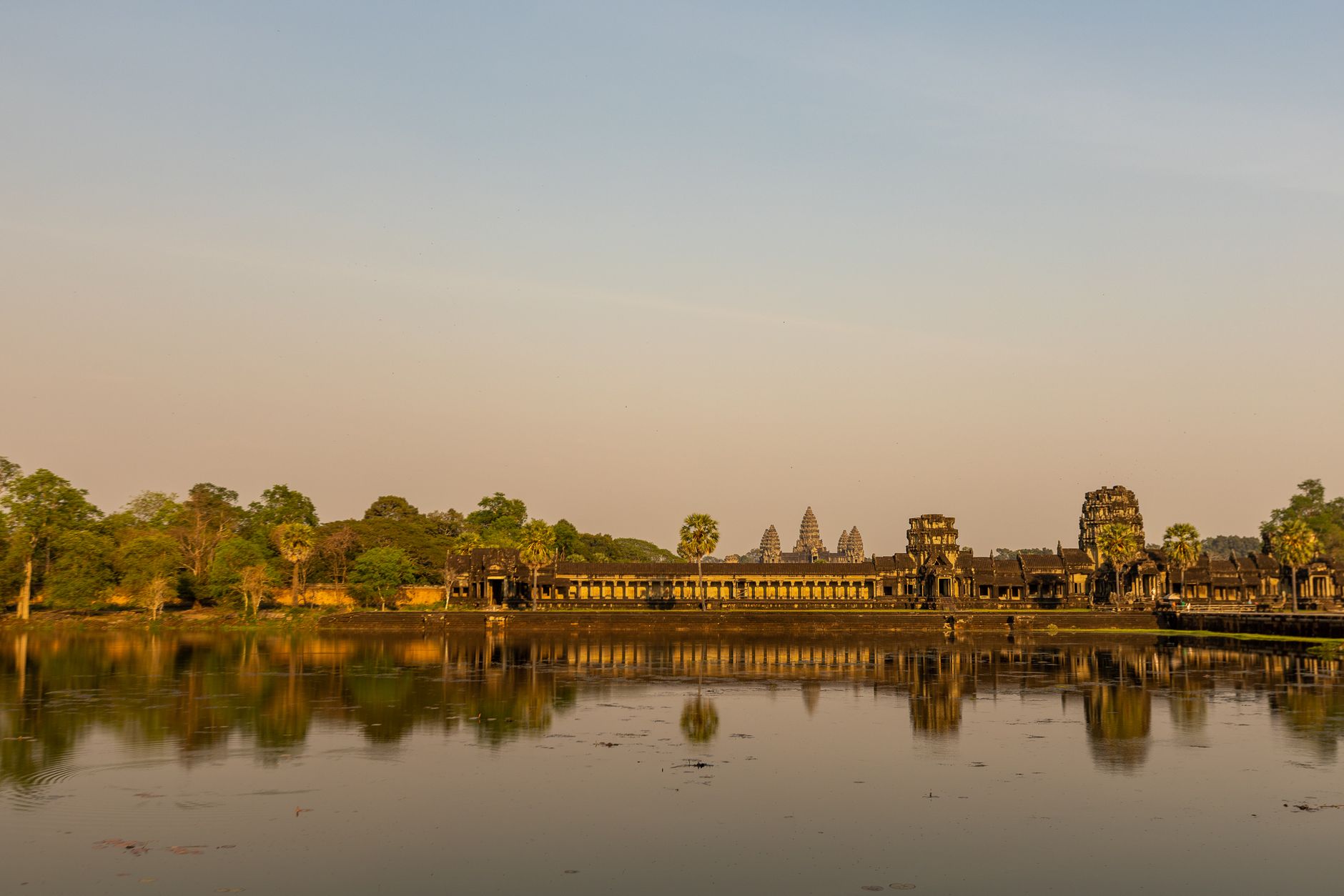
Angkor Wat at sunrise
Enter the ticketed UNESCO temple on your Angkor Archaeological Park pass before dawn to watch the sun rise behind the five towers of the largest religious monument on earth.
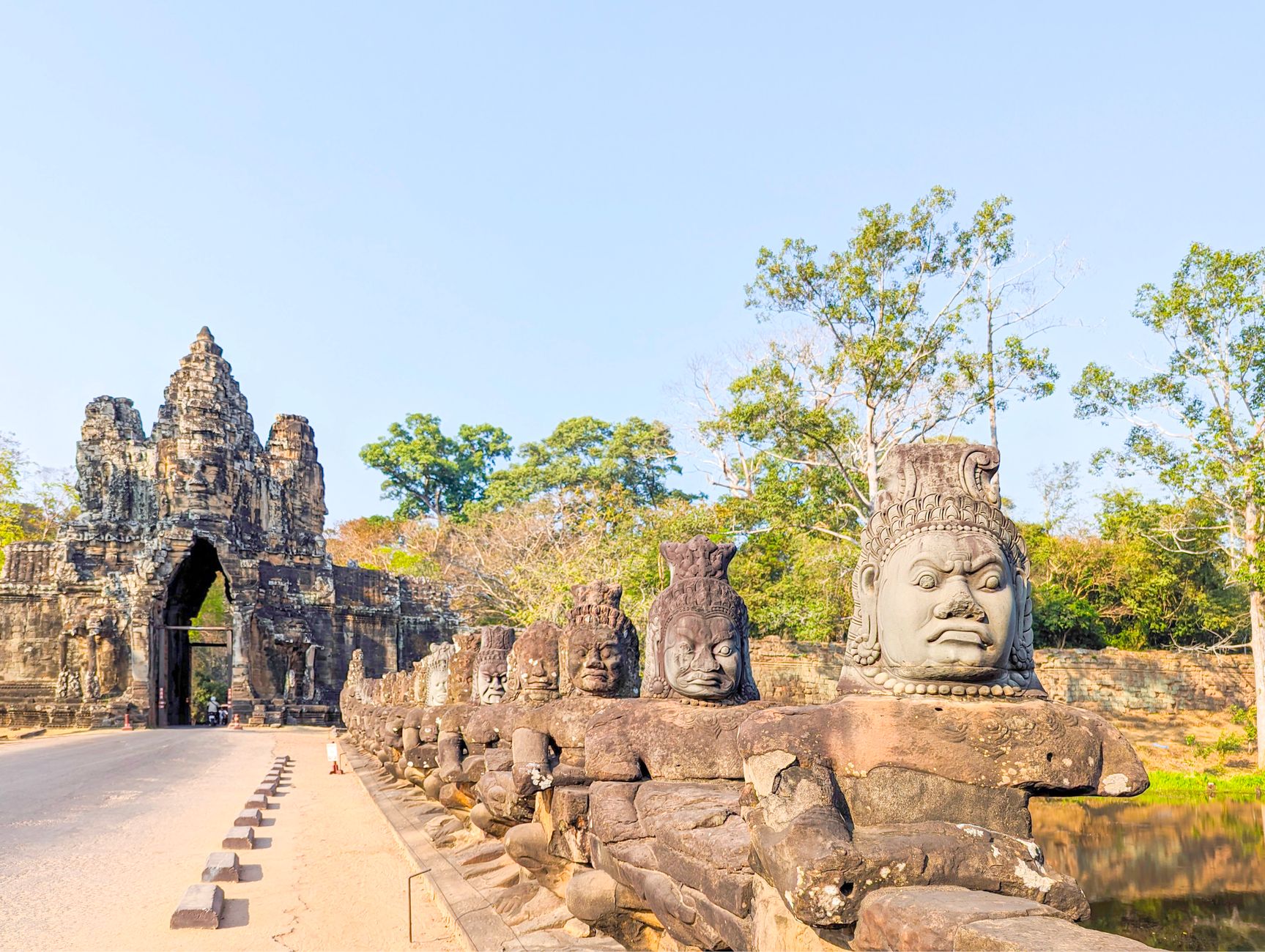
Angkor Thom & the south gate
Enter the walled royal city of Angkor Thom through the monumental south gate with its face-tower and causeway of gods and demons; admission is included on the Angkor pass.
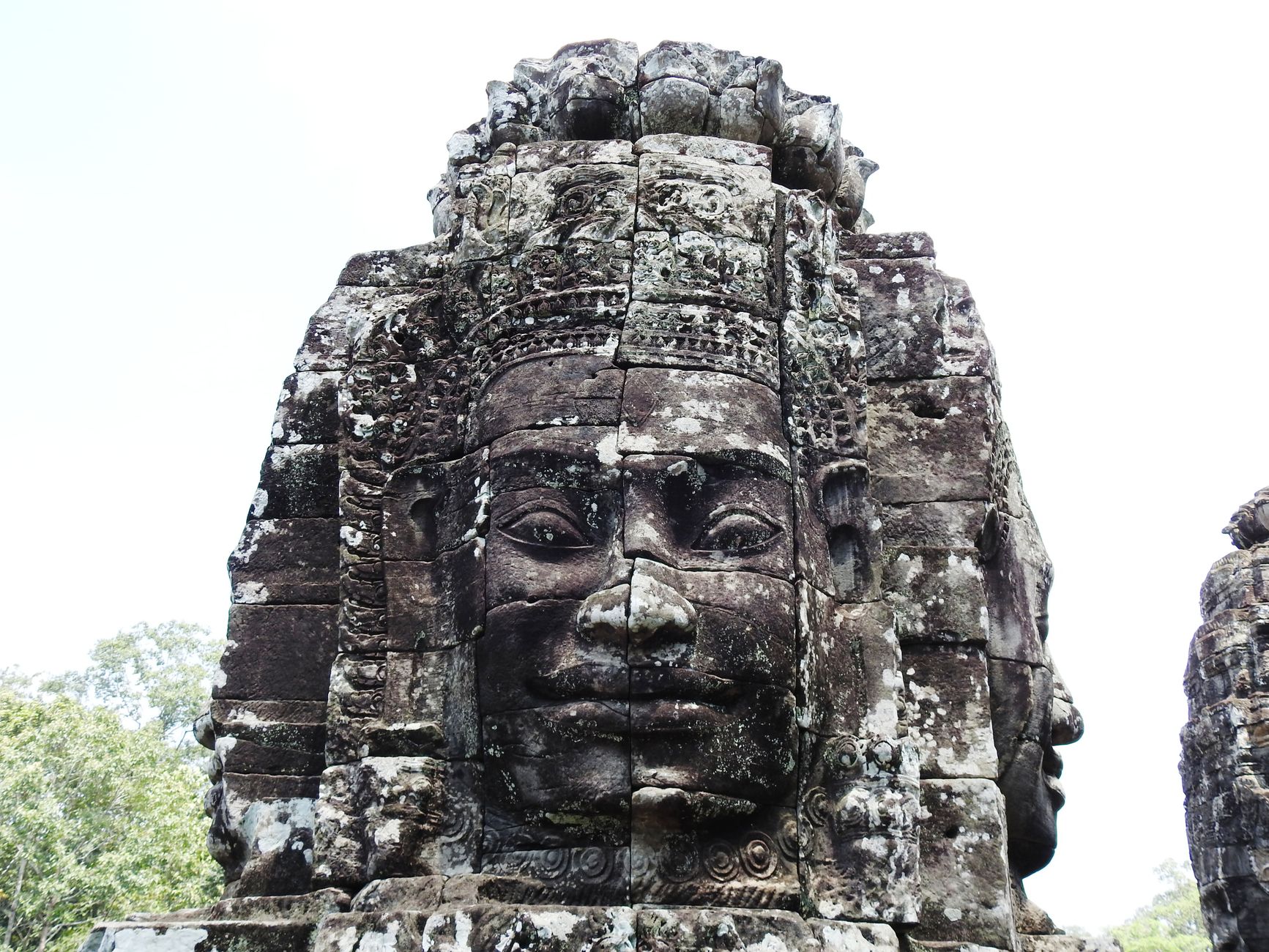
The Bayon
Explore the state temple at the centre of Angkor Thom, a mountain of towers carved with more than two hundred giant serene stone faces; admission is included on the Angkor pass.
Day 3: Ta Prohm & a full temple day by tuk-tuk
Base: Siem Reap — the jungle temple and a guided Angkor loop

Ta Prohm
Visit the atmospheric jungle temple left half-swallowed by strangler-fig and silk-cotton roots on your Angkor pass, arriving early to beat the crowds.
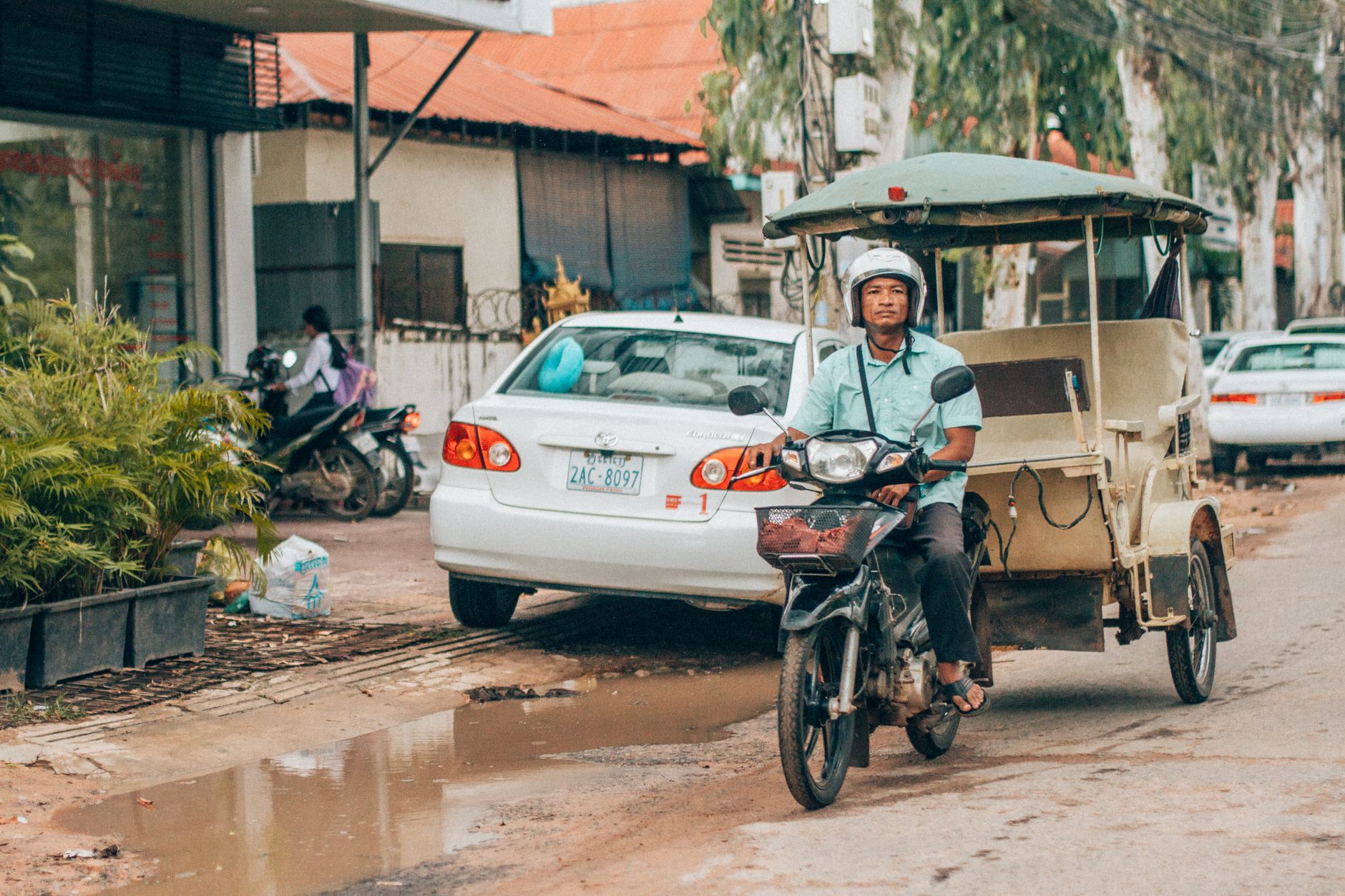
A guided Angkor temple tour by tuk-tuk
Take a guided full-day loop of the Angkor temples by remork tuk-tuk with a licensed guide, linking Ta Prohm, Preah Khan and the smaller ruins at an easy pace.
Day 4: Banteay Srei & a Tonlé Sap floating village
Base: Siem Reap — pink-sandstone carving and a guided lake trip
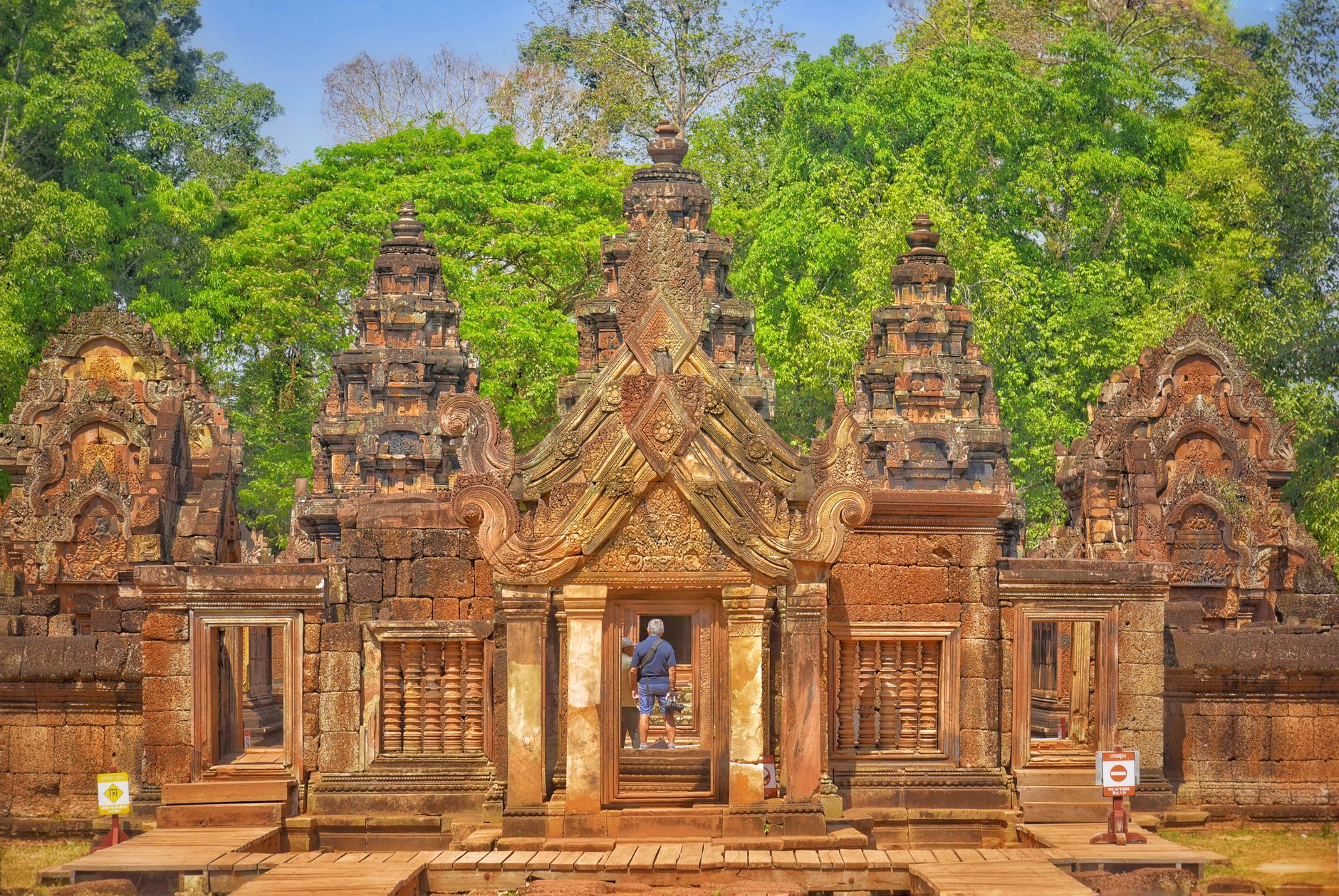
Banteay Srei
Visit the exquisite 10th-century Citadel of Women, built in rose-pink sandstone and covered in the finest deep-cut carving at Angkor, about an hour north-east of Siem Reap; admission is included on the Angkor pass.
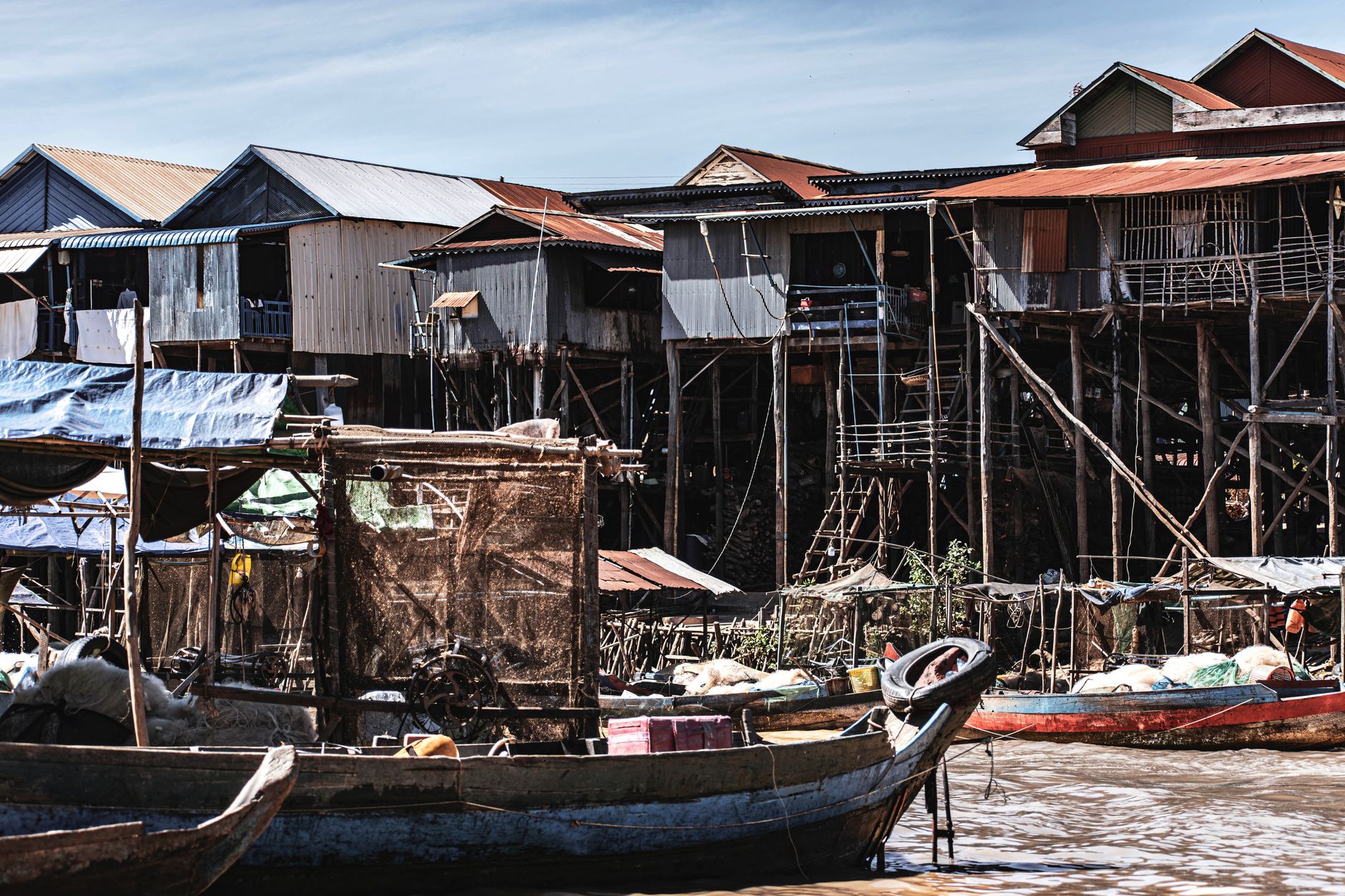
A Tonlé Sap floating-village boat tour
Join a guided boat trip onto the vast Tonlé Sap lake to a stilt-house or floating village such as Kampong Phluk, choosing a responsible operator that supports the community and going in late afternoon for the light.
Day 5: To Phnom Penh — the Royal Palace & Silver Pagoda
Siem Reap → Phnom Penh — transfer to the capital and visit the palace grounds

Travel to Phnom Penh
Fly the short hop to Phnom Penh, or take an air-conditioned long-distance bus down National Road 6. To keep the Royal Palace on today's plan, take the flight: the bus runs 5.5–6 hours, so a morning departure only reaches the capital mid to late afternoon and, with the palace's ~16:30 last entry, realistically pushes the palace visit to Day 6. Check in to your riverside or central hotel.
The Royal Palace
Visit the ticketed complex of gilded pavilions and the Throne Hall, the official residence of the King of Cambodia; dress modestly, with shoulders and knees covered, to be admitted. Note the split opening hours — 08:00–11:00 and 14:00–17:00, closed midday, with last entry around 16:30 — so time your arrival accordingly.

The Silver Pagoda (Wat Preah Keo)
See the royal temple inside the palace grounds, named for its floor of solid-silver tiles and home to an emerald Buddha and a gold, jewel-set Buddha; entry is included with the Royal Palace ticket.
Day 6: Remembering Cambodia's past — Tuol Sleng, Choeung Ek & the riverfront
Base: Phnom Penh — two memorial sites followed by a gentle riverside evening

Tuol Sleng Genocide Museum (S-21)
Visit the former school turned Khmer Rouge prison, now a museum of remembrance for the victims of the 1975–79 genocide; entry includes a moving self-guided audio tour, so visit quietly and respectfully.

The Choeung Ek memorial (the Killing Fields)
Visit the memorial site outside the city where many of those held at S-21 were killed, centred on a stupa of remembrance; the ticketed audio-guided visit tells the history with dignity, making this a place to reflect rather than a sightseeing stop.
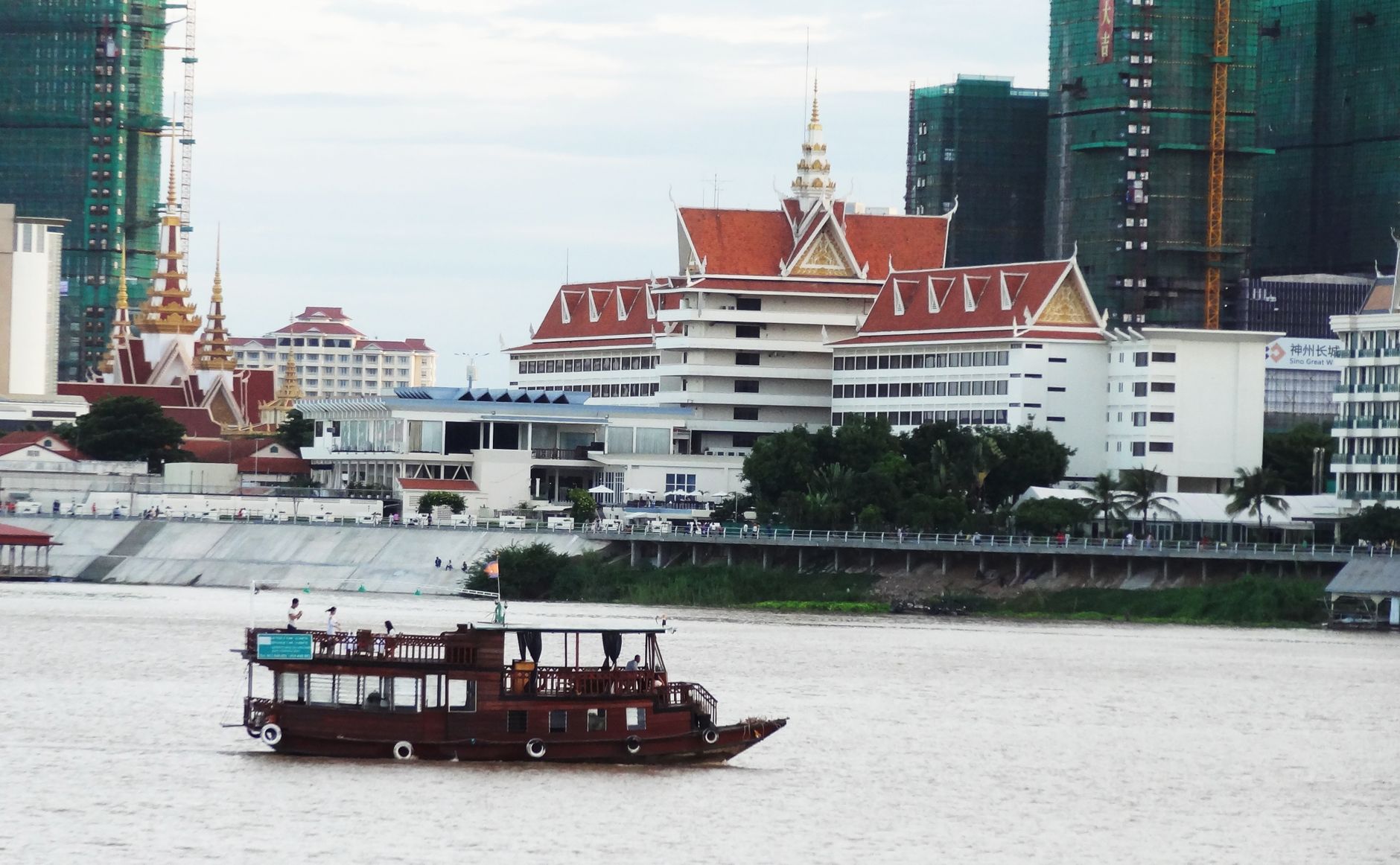
The Phnom Penh riverfront (Sisowath Quay)
Take a free evening stroll along Sisowath Quay where the Tonlé Sap meets the Mekong, past Wat Ounalom and the palace, with cafés and a cooling breeze for a gentle close to a heavy day.
Day 7: A last riverside morning & departure
A text-only final morning and airport transfer with no master image
A last morning in Phnom Penh
Fit in a final riverside coffee, the Central Market (Phsar Thmei) or a last souvenir run before you pack up, keeping it light with a flight to catch.
Transfer to the airport & depart
Transfer to Phnom Penh International (PNH) for your onward or homeward flight and allow buffer for city traffic.
Siem Reap and Angkor to Phnom Penh
Six visual-day anchors trace the route from Siem Reap through Angkor Wat, Ta Prohm and Banteay Srei to the Royal Palace and Tuol Sleng in Phnom Penh; the final departure day is text-only.
- 1
Siem Reap — Pub Street
Arrival and the Old Market area's evening buzz
- 2
Angkor Wat
Sunrise at Angkor Wat, Angkor Thom and the Bayon
- 3
Ta Prohm
The jungle temple and a guided tuk-tuk temple loop
- 4
Banteay Srei
Pink-sandstone carving and a Tonlé Sap boat trip
- 5
Phnom Penh — Royal Palace
The Royal Palace and Silver Pagoda
- 6
Phnom Penh — Tuol Sleng
Tuol Sleng, Choeung Ek and the riverfront
Frequently Asked Questions
How many days do you need in Cambodia?
About seven days covers the essentials — three or four days for Angkor around Siem Reap and two days for Phnom Penh — without rushing; add days if you want to reach the coast at Sihanoukville, Kampot or the islands.
How many days do you need for the Angkor temples?
Most travellers spend three days at Angkor on a three-day pass: a sunrise day at Angkor Wat, Angkor Thom and the Bayon; a day for Ta Prohm and the smaller temples; and a day out to Banteay Srei. A single long day covers the highlights.
Do I need a visa for Cambodia?
Most visitors need a tourist visa. You can apply in advance through the official Cambodia e-Visa portal or, for many nationalities, obtain a visa on arrival at the airports; check the official government site for your passport.
How do I get from Siem Reap to Phnom Penh?
The quickest way is a short domestic flight; otherwise air-conditioned long-distance buses run the route in around six hours by road, and either option can be booked through operators in advance.
What is the Angkor pass and where do I buy it?
The Angkor Archaeological Park pass, sold as a one-, three- or seven-day ticket by the official Angkor Enterprise ticket centre, admits you to all the temples. Carry it at all times because it is checked at every site; a pass bought in the late afternoon can be valid for that evening's sunset.
What should I wear to visit the temples and the Royal Palace?
Dress modestly by covering your shoulders and knees, and remove your hat and shoes where asked. The dress code is enforced at the upper level of Angkor Wat and at Phnom Penh's Royal Palace, so bring a scarf or a light layer.
Is it appropriate to visit Tuol Sleng and the Choeung Ek Killing Fields?
Yes. They are memorial sites that Cambodians and visitors alike treat as places of remembrance for the victims of the Khmer Rouge. Both are ticketed with a self-guided audio tour, and the respectful thing is to visit quietly, dress modestly and not pose for casual photos.
When is the best time to visit Cambodia?
The cool, dry season from about November to March is the most comfortable for temple days and boat trips. April and May are very hot, while the June–October monsoon brings rain but greener countryside and a fuller Tonlé Sap lake.
Make this plan your own
Copy this plan into your account in one click — keep the original for reference and edit your copy any way you like.
Sign in once to save and edit your own copy.