

Brazil Itinerary: Rio de Janeiro, Salvador & the Amazon in 10 Days
Three Brazils in one trip.
In ten days this route links Rio de Janeiro's beaches and granite peaks, Salvador da Bahia's Afro-Brazilian old town and gilded churches, and the Amazon at Manaus — the Meeting of the Waters and a night in the rainforest.
Best time: there is no single perfect window — May–October is drier and milder in Rio, September–March is the drier stretch in Salvador, and the Amazon's high-water season (roughly January–June) is best for canoeing the flooded forest; the region is hot and humid year-round.
- Fly into Rio (GIG) and out of Manaus (MAO), with domestic hops Rio→Salvador and Salvador→Manaus; the Manaus leg usually connects through Brasília or São Paulo.
- Use ride apps and registered taxis in the cities.
- Book Corcovado and Sugarloaf tickets on the official sites, and reserve the jungle lodge or riverboat before you arrive in Manaus.
- Both cities are rewarding but demand city sense: keep phones and jewellery out of sight on beaches and streets, carry only what you need, use ride apps or registered taxis after dark, stay off empty beaches at night, and don't enter favelas without a locally organised guide.
- In Salvador stick to the busy, policed core of the historic centre at night.
Where to Stay
Use city bases for the first eight nights, then sleep in the Amazon
Where to Stay
Use city bases for the first eight nights, then sleep in the Amazon
Rio's Zona Sul
Choose Copacabana, Ipanema or Leblon for nights 1–3.
Salvador's historic centre or Barra
Stay in Pelourinho or Santo Antônio, or choose beachside Barra, for nights 4–6.
Central Manaus
Base near the Teatro Amazonas for nights 7–8.
Amazon lodge or overnight riverboat
Sleep south of Manaus for night 9.
Official links & tickets
Use government, official attraction and health sites for current requirements
Official links & tickets
Use government, official attraction and health sites for current requirements
Brazil planning, tickets & traveler health
Check entry rules, attraction tickets, local tourism information and health guidance before travel.
Budget Snapshot
Getting Around
10-Day Itinerary Breakdown
Day 1: Arrive in Rio de Janeiro & Copacabana
Rio airport → Zona Sul — settle in and walk Copacabana Beach

Arrive in Rio and settle into the Zona Sul
Land at Rio de Janeiro/Galeão (GIG) — or Santos Dumont (SDU) on domestic routes — and transfer to a base in Copacabana, Ipanema or Leblon; use a registered taxi or ride app from the airport.
Copacabana Beach
Rio's most famous free beach — walk the wave-patterned Portuguese-stone promenade, grab a coconut at a kiosk and ease into the city.
Day 2: Christ the Redeemer & the Selarón Steps
Corcovado → Lapa and Santa Teresa — Rio's landmark statue and tiled staircase
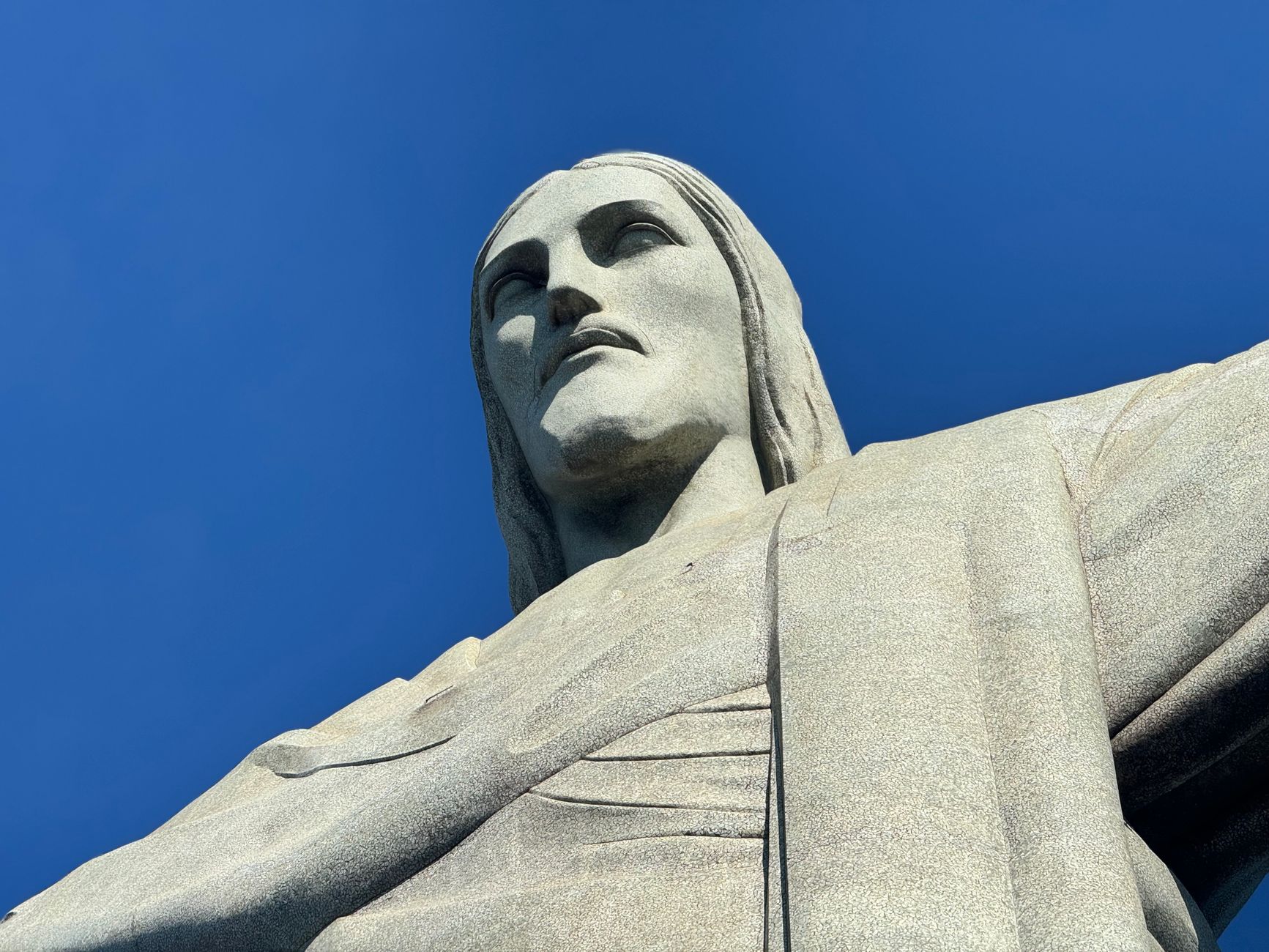
Christ the Redeemer on Corcovado
Take a ticketed ride up through Tijuca forest on the Corcovado rack railway — or official vans — to the statue's panoramic terraces; book ahead and go early for the clearest views.

The Selarón Steps & Lapa
Climb the free public staircase of over 200 tile-covered steps by artist Jorge Selarón linking Lapa to Santa Teresa, then wander Lapa's arches and street art around it.
Day 3: Sugarloaf & Ipanema
Urca → Ipanema and Arpoador — a cable-car panorama and beach sunset

The Sugarloaf cable car (Pão de Açúcar)
Ride the ticketed two-stage bondinho from Praia Vermelha via Morro da Urca to the granite summit for 360° views over Guanabara Bay, the beaches and Corcovado.
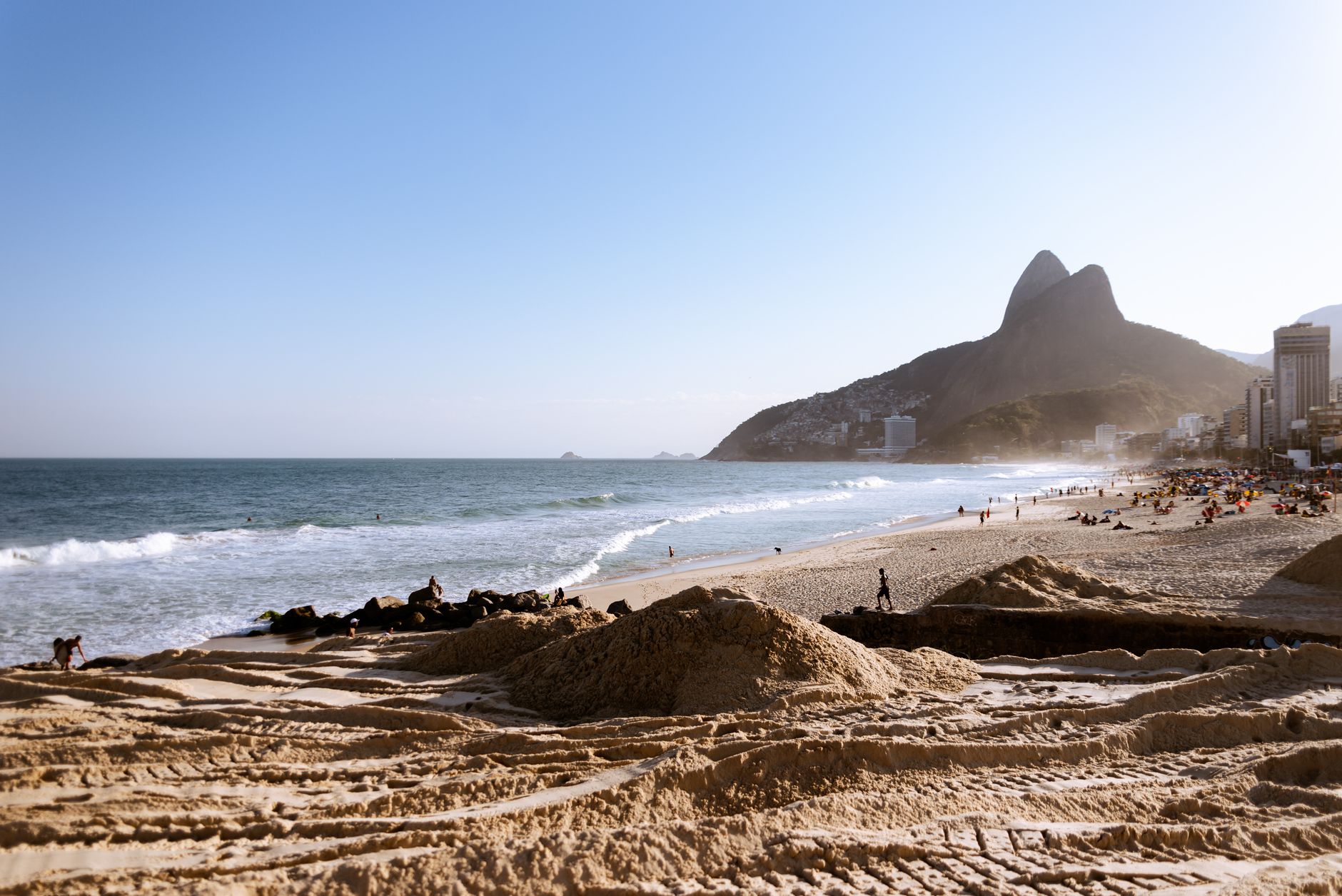
Ipanema Beach & sunset at Arpoador
Spend a free afternoon on Ipanema's sand beneath Dois Irmãos, ending on the Arpoador rock where crowds applaud the sunset.
Day 4: Fly to Salvador & first look at the Pelourinho
Rio → Salvador — a domestic flight and first walk through the historic centre
Fly Rio → Salvador
Take a short domestic hop up the coast to Salvador (SSA), deferring schedules to the airlines. Base yourself in or near the historic centre — Pelourinho, Santo Antônio or Barra.
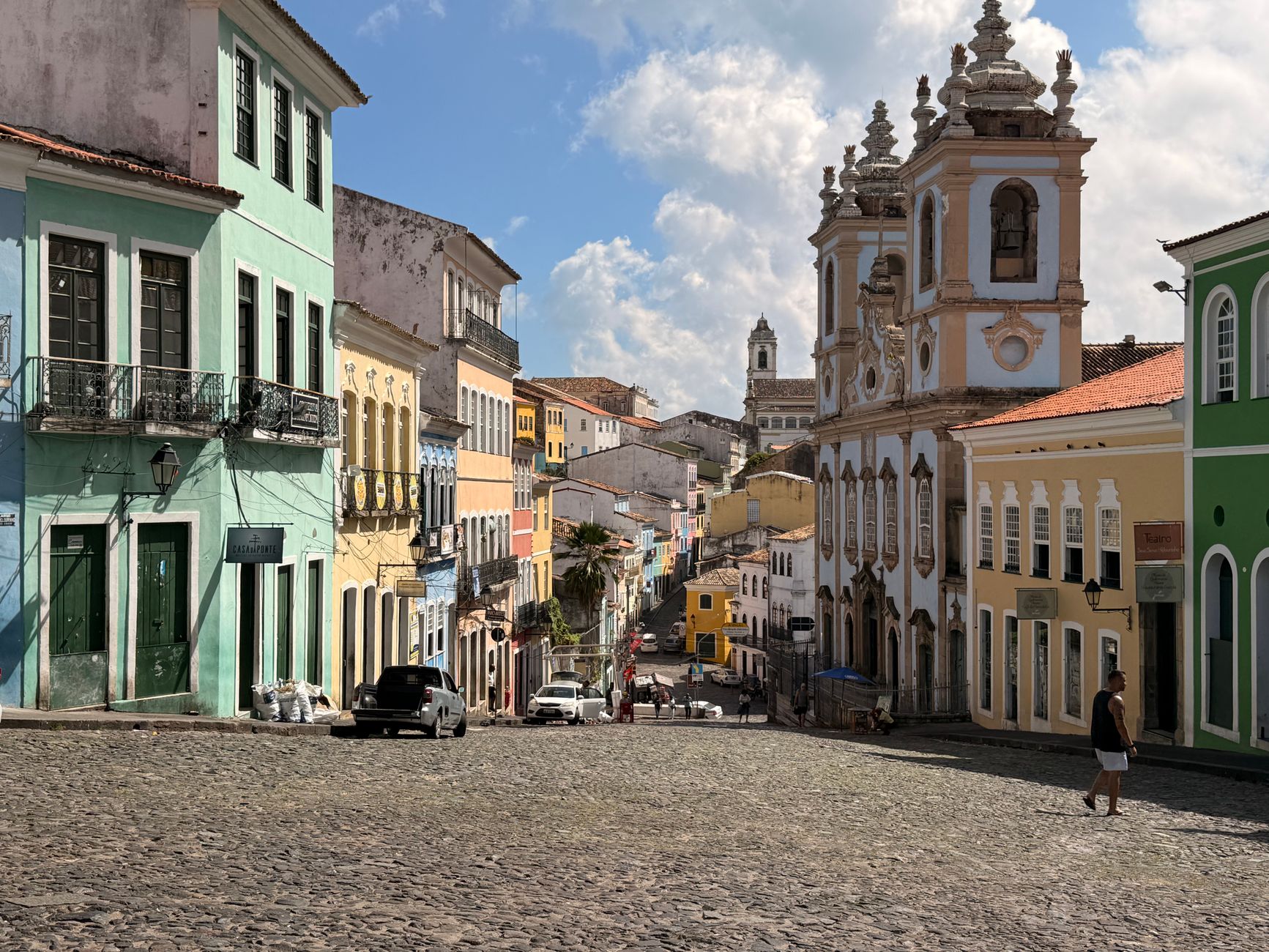
First stroll through the Pelourinho
Salvador's UNESCO-listed old town of cobbled squares and pastel colonial houses is free to wander; drumming groups often rehearse in the streets in the evening.
Day 5: Salvador's golden churches & capoeira
Salvador's upper city — baroque interiors and Afro-Brazilian heritage

The São Francisco church complex
Visit the ticketed baroque complex off the Terreiro de Jesus — the Church and Convent of São Francisco and the adjoining Ordem Terceira are among Brazil's most extravagantly gilded interiors; the photo here shows the Ordem Terceira's nave.

A historic-centre walking tour with capoeira
Join a guided Afro-Brazilian heritage walk through the upper city — churches, squares and the history of the Pelourinho — with capoeira rodas that play out on the squares; many tours include a demonstration or class.
Day 6: The lower city — Elevador Lacerda, Mercado Modelo & Bonfim
Salvador's lower city and Itapagipe peninsula — waterfront, market and shrine
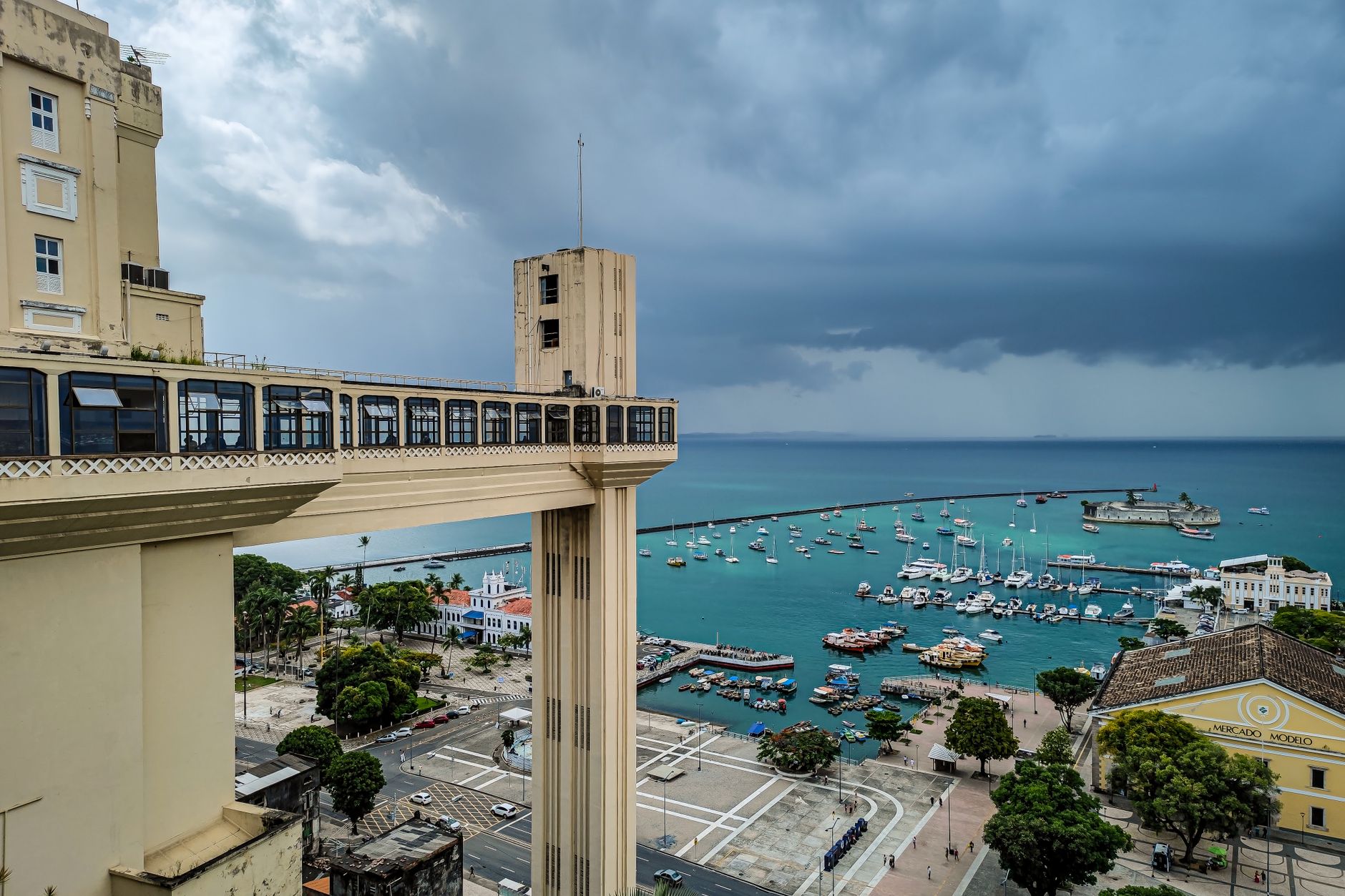
The Elevador Lacerda & Mercado Modelo
Ride the art-deco public elevator connecting the upper and lower cities — restored in 2025 and currently free to ride, it is public transit rather than a ticketed attraction — then browse the Mercado Modelo craft market and the All Saints Bay waterfront below.

The Church of Nosso Senhor do Bonfim
Visit the free working church on the Itapagipe peninsula, famous for the thousands of coloured fita ribbons tied to its railings — Salvador's most beloved shrine and a centre of Bahian syncretic faith.
Day 7: Fly to Manaus & the Teatro Amazonas
Salvador → Manaus — a long domestic travel day and the rubber-boom opera house

Fly Salvador → Manaus
Take a long domestic journey, usually with a connection in Brasília or São Paulo, deferring routings and times to the airlines. Arrive with the afternoon free in Manaus.
The Teatro Amazonas opera house
Visit the rubber-boom opera house of 1896, its dome tiled in the national colours; ticketed guided visits run through the gilded auditorium, so check the official Amazonas culture site for visiting days.
Day 8: The Meeting of the Waters & the Rio Negro waterfront
Manaus and the rivers east of the city — a guided boat trip and port walk

The Meeting of the Waters boat trip
Take a guided boat tour from Manaus to where the dark Rio Negro and sandy Solimões run side by side for kilometres without mixing — the classic Amazon day trip.
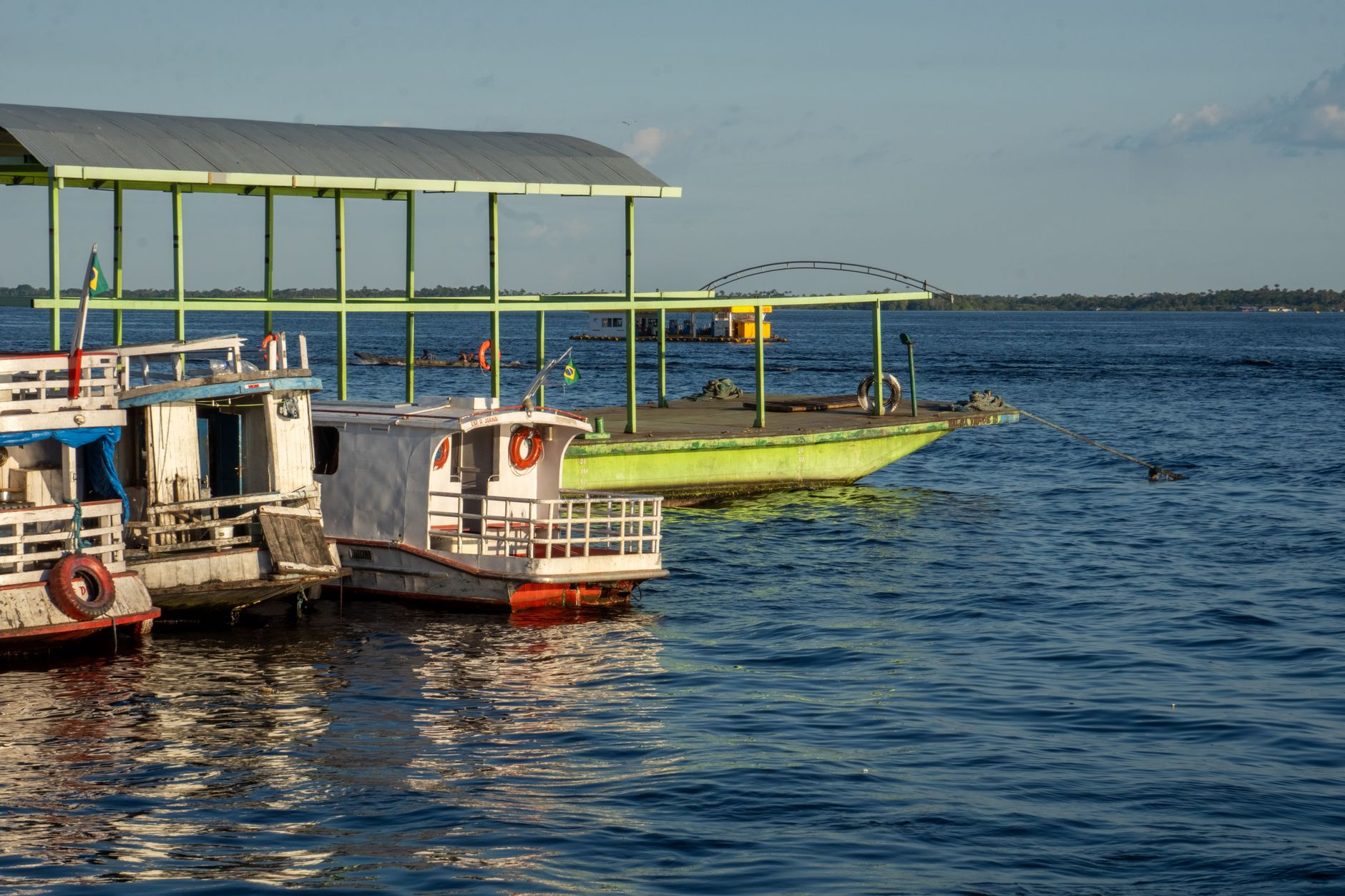
Manaus riverfront & port
Wander for free along the Rio Negro waterfront and floating docks where wooden riverboats load for every corner of Amazonas; the historic Mercado Adolpho Lisboa market is right by the port.
Day 9: Into the jungle — lodge, canoe & sunset on the river
Manaus → lodge region south of the city — transfer, guided canoe trip and an Amazon sunset

Transfer to the lodge region
Most jungle lodges and riverboats south of Manaus include the transfer — a van and boat combination across or down the river; confirm pick-up details with your lodge or boat operator.
Canoe the flooded forest
Take a guided paddle from your lodge along quiet channels and — in high-water season — through the flooded igapó forest, listening for howler monkeys and scanning for sloths and macaws.
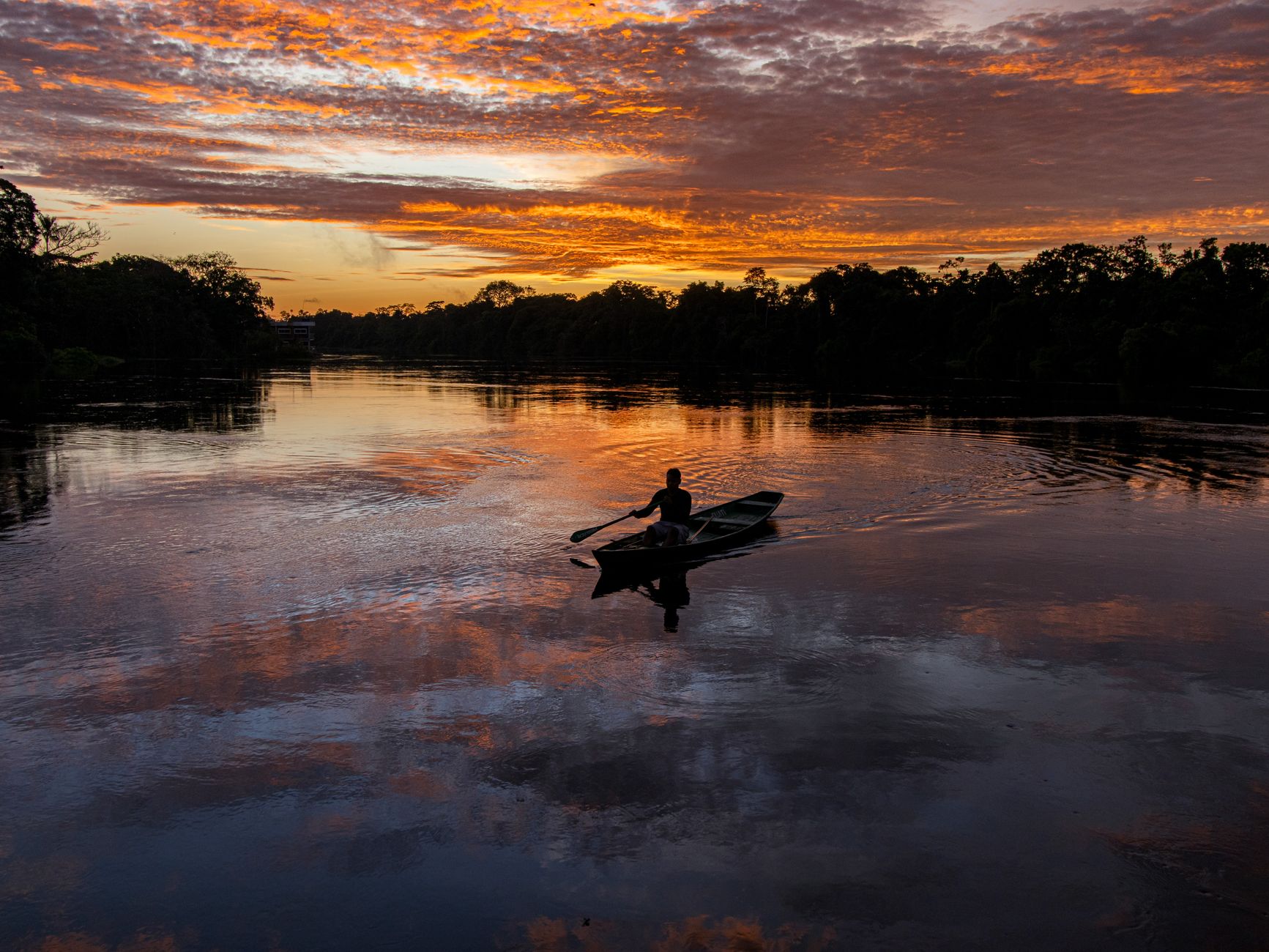
Sunset on the river & caiman spotting
Lodge programmes typically end the day on the water — an equatorial sunset, then torchlit caiman spotting after dark; this is included in most lodge packages rather than sold separately.
Day 10: Out of the Amazon & departure
A fully text-only return to Manaus and departure day with no master image
Return to Manaus
Take the boat and van transfer back to Manaus from the lodge region.
Fly home from Manaus
Fly out of Eduardo Gomes (MAO), usually connecting through São Paulo, Brasília or a Panama or Miami hub, and allow generous connection time.
Rio de Janeiro through Salvador to the Amazon
Nine visual-day anchors trace the route from Rio's beaches and peaks through Salvador's historic upper and lower cities to Manaus, the Meeting of the Waters and a lodge region south of the city; the final departure day is text-only.
- 1
Rio — Copacabana Beach
Arrival and a first walk beside the Atlantic
- 2
Rio — Christ the Redeemer / Corcovado
The statue above Rio and the Selarón Steps in Lapa
- 3
Rio — Sugarloaf
The cable car and an Ipanema sunset
- 4
Salvador — Pelourinho
Arrival in Salvador and a first old-town stroll
- 5
Salvador — São Francisco complex
Gilded churches and Afro-Brazilian heritage
- 6
Salvador — Elevador Lacerda
The lower city, Mercado Modelo and Bonfim
- 7
Manaus — Teatro Amazonas
Arrival in the Amazon gateway and its opera house
- 8
Meeting of the Waters
A boat trip where the Rio Negro and Solimões meet
- 9
Amazon lodge region south of Manaus
A canoe trip and a night beside the rainforest river
Frequently Asked Questions
How many days do you need for Rio, Salvador and the Amazon?
Ten days is a realistic minimum for the three-stop route — three full days in Rio, three in Salvador and three around Manaus including a lodge night; two weeks would let you add a second jungle night or a beach extension.
What is the best time to visit Brazil for this route?
There is no single perfect window — May–October is drier and milder in Rio, September–March is the drier stretch in Salvador, and the Amazon's high-water season, roughly January–June, is best for canoeing the flooded forest; all three are warm year-round.
Is Rio de Janeiro safe for tourists?
Millions visit without trouble, but petty theft is real — keep phones and valuables out of sight, use ride apps or registered taxis at night, avoid empty beaches after dark and only visit favelas with a locally organised guide.
Do I need a yellow fever vaccination for the Amazon?
Vaccination is recommended for travel to Amazonas state and should be taken at least ten days before arrival; check the CDC's Brazil page and a travel clinic for current guidance on yellow fever, malaria and dengue precautions.
How do I get between Rio, Salvador and Manaus?
Fly — the distances are continental. Rio→Salvador is a short nonstop hop, while Salvador→Manaus usually connects through Brasília or São Paulo, so treat it as a full travel day.
Should I choose a jungle lodge or a riverboat from Manaus?
Both work — lodges give you a fixed base with canoe trips, night walks and caiman spotting, while riverboats cover more water; either way book a licensed operator and confirm transfers, excursions and guiding language in advance.
What is the Meeting of the Waters?
It is the point near Manaus where the dark Rio Negro and the sandy-brown Solimões flow side by side for kilometres without mixing — differences in temperature, speed and sediment keep the two rivers visibly separate; boat tours run from Manaus.
Do I need a visa for Brazil?
It depends on your nationality — many travellers enter visa-free, while citizens of some countries, including the United States, Canada and Australia, now need an e-visa; check current rules with the Brazilian Ministry of Foreign Affairs before booking.
Is capoeira something you can actually watch in Salvador?
Yes — the Afro-Brazilian martial art was shaped in Bahia, and rodas play out in the squares of the historic centre; guided heritage walks often include a demonstration, and academies welcome visitors to classes.
Make this plan your own
Copy this plan into your account in one click — keep the original for reference and edit your copy any way you like.
Sign in once to save and edit your own copy.