

Australia Itinerary: Sydney, the Great Barrier Reef & Uluru in 10 Days
Australia's three biggest icons in ten days.
This route links Sydney's harbour, the tropical north around Cairns with the Great Barrier Reef and the Kuranda rainforest railway, and the Red Centre at Uluru and Kata Tjuta — three utterly different Australias joined by two internal flights.
Best time: the shoulder months, roughly September–November and March–May, are mild in Sydney and fall inside the dry, stinger-free winter season up north; the Red Centre is most comfortable outside the peak summer heat.
- Fly into Sydney (SYD) and out of Ayers Rock (AYQ), with two internal flights from Sydney to Cairns and Cairns to Uluru; an open-jaw ticket saves a long backtrack.
- Sydney is walkable and served by trains and ferries.
- The reef and rainforest run on day cruises and tours from Cairns, while the Red Centre revolves around Yulara and Ayers Rock Resort.
- On the Great Barrier Reef, swim between the flags, wear a stinger suit and heed local advice during marine stinger season, roughly November–May.
- Never touch coral or marine life, reapply reef-safe sunscreen often, check the sea conditions and go with a licensed operator.
Where to Stay
Use three bases across the city, tropical north and Red Centre
Where to Stay
Use three bases across the city, tropical north and Red Centre
Sydney
Stay around Circular Quay, The Rocks or Darling Harbour for the icons and beaches on nights 1–4.
Cairns or Port Douglas
Use Cairns or Port Douglas for the reef and rainforest days on nights 5–7.
Yulara / Ayers Rock Resort
Use Yulara and Ayers Rock Resort, the only base inside the Uluru area, for nights 8–9.
Official links & tickets
Use official tourism, entry, reef and national-park sites for current requirements
Official links & tickets
Use official tourism, entry, reef and national-park sites for current requirements
Tourism and entry planning
Check official tourism guidance and visa or ETA requirements before travel.
Sydney, reef and Red Centre planning
Confirm attraction, marine-park, national-park and Field of Light details on the official sites.
Budget Snapshot
Getting Around
10-Day Itinerary Breakdown
Day 1: Arrive in Sydney — the harbour & the Royal Botanic Garden
Sydney Airport (SYD) → the harbour — arrival, time-zone recovery and a first waterfront walk

Arrive in Sydney and settle in
Land at Sydney (SYD), take the airport train or a transfer into the city and ease into the time change with a first afternoon by the harbour.
Circular Quay & the Royal Botanic Garden
Take a free harbourside stroll from Circular Quay through the Royal Botanic Garden Sydney out to Mrs Macquarie's Chair, with classic views back to the Opera House and Harbour Bridge.
Day 2: Sydney icons — the Opera House & the Harbour Bridge
Base: Sydney — two genuine guided experiences around the harbour

Sydney Opera House guided tour
Take a ticketed guided tour inside Jørn Utzon's UNESCO-listed Opera House, going behind the sails into the concert halls and theatres.
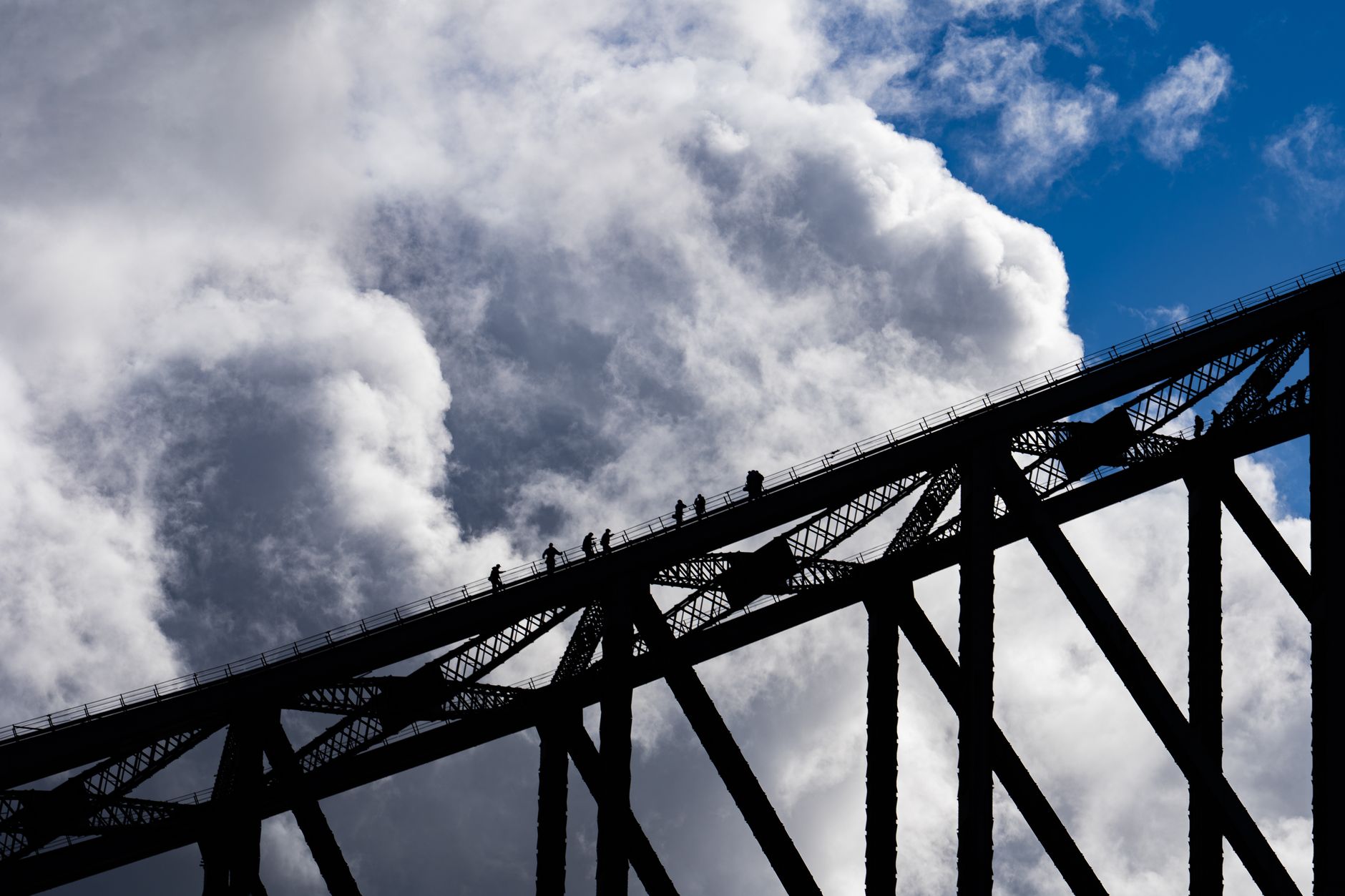
Sydney Harbour BridgeClimb
Join a guided, harnessed climb to the summit of the Sydney Harbour Bridge arch for a 360° view over the harbour.
Day 3: Taronga Zoo & the eastern beaches
Base: Sydney — Australian wildlife and a free clifftop coastal walk

Taronga Zoo
Visit the ticketed harbourside zoo reached by ferry, home to koalas, kangaroos and Australian wildlife with sweeping views back to the city skyline.

The Bondi to Coogee coastal walk
Follow the free clifftop walking path linking Bondi Beach to Coogee past Tamarama and Bronte, with surf, sandstone cliffs and ocean pools.
Day 4: A Blue Mountains day trip
Sydney → Blue Mountains → Sydney — Scenic World, the Three Sisters and a return to the city

The Blue Mountains: Scenic World & the Three Sisters
Ride the ticketed Scenic World railway, cableway and skyway above the Jamison Valley, with the Three Sisters lookout at Echo Point nearby.
Return to Sydney
Drive or ride back down from Katoomba to Sydney in the late afternoon for your last night in the city before the flight north.
Day 5: Fly north to Cairns & the tropical waterfront
Sydney → Cairns — a domestic flight and a first afternoon on the tropical waterfront
Fly from Sydney to Cairns
A domestic flight of roughly three hours carries you from temperate Sydney into the tropical north; check in for the reef and rainforest days ahead.
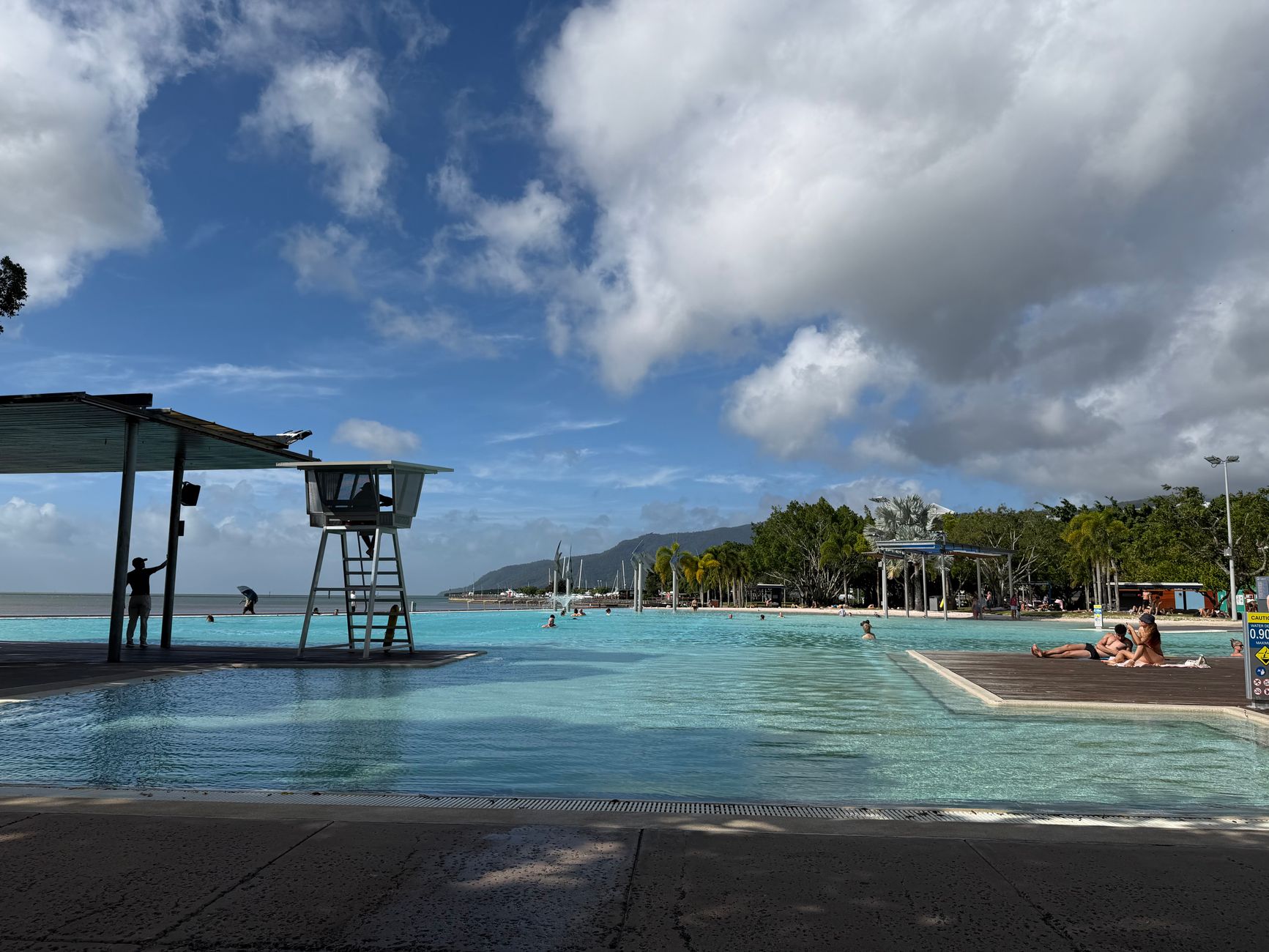
The Cairns Esplanade & lagoon
Walk the free waterfront promenade and use the public saltwater swimming lagoon on the Cairns Esplanade for an easy first afternoon in the tropics and safe swimming outside the stinger season.
Day 6: The Great Barrier Reef by boat
Base: Cairns — a guided outer-reef cruise and the coral shoals from the water

A Great Barrier Reef snorkel & dive cruise
Join a guided day cruise from Cairns out to the outer reef to snorkel or dive over coral gardens teeming with fish — the reef's signature experience.

The outer reef from the water
Many cruises moor at a reef pontoon or drift over shallow bommies; the patchwork of turquoise coral shoals is the view you came for, with no separate ticket beyond the cruise.
Day 7: Kuranda by rail & Skyrail
Cairns → Kuranda → Cairns — a heritage railway up, the village, and the Skyrail cableway back (a half- to full-day Cairns round-trip)
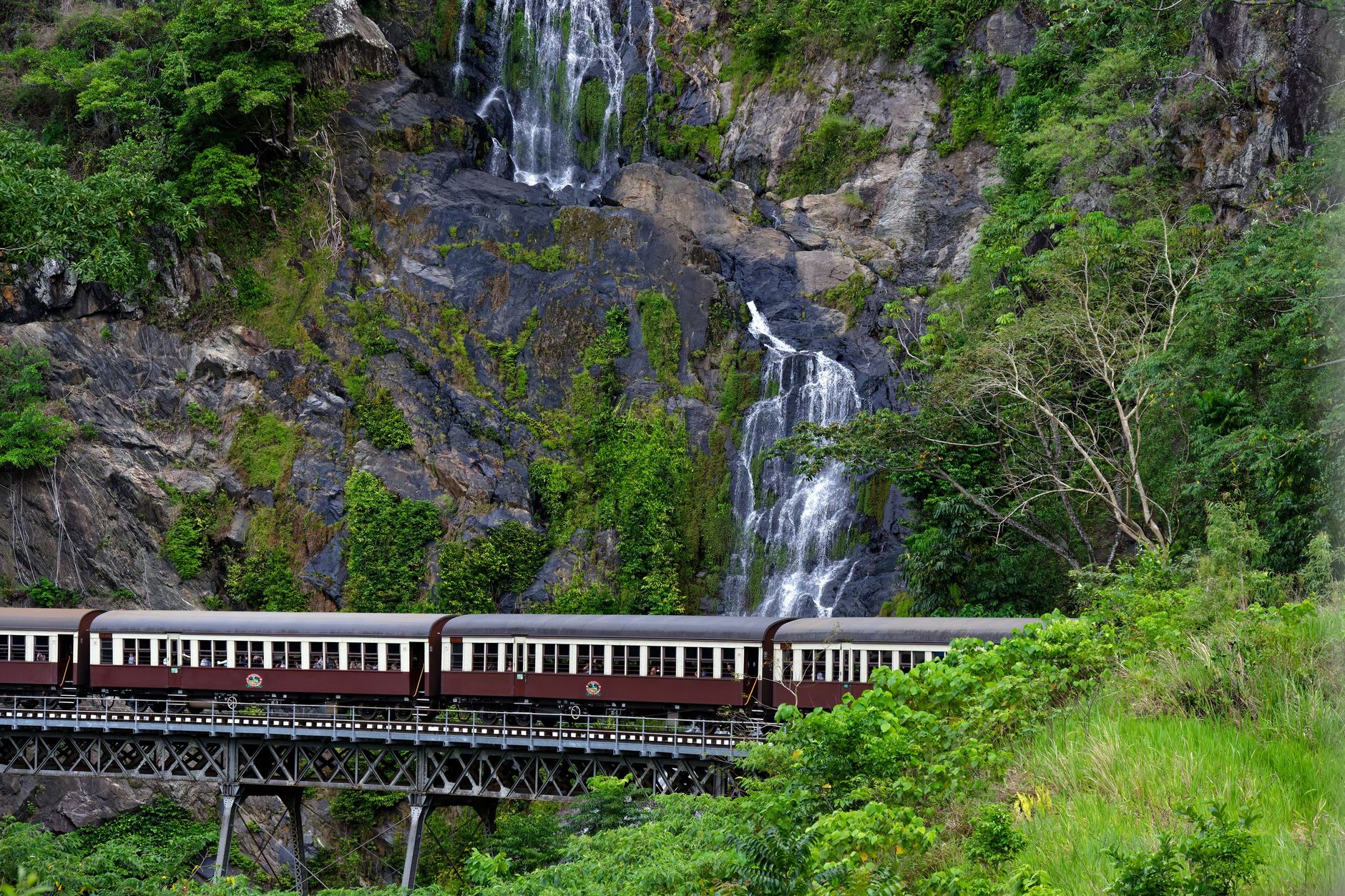
The Kuranda Scenic Railway
Ride the ticketed heritage railway from Cairns through rainforest gorges and past Barron Falls to the village of Kuranda, often paired with the Skyrail cableway.

Kuranda village & the Skyrail cableway
Wander Kuranda's rainforest village, markets and Barron Falls lookout, then glide back to Cairns on the Skyrail cableway above the World Heritage canopy — the classic loop paired with the morning railway.
Day 8: Into the Red Centre — Uluru's base & sunset
Cairns → Ayers Rock (AYQ) / Yulara — the flight usually connects via a mainland hub (Brisbane or Sydney) and eats about half a travel day, so keep the afternoon light: a short base-walk section and Uluru at sunset (save the full base walk for tomorrow's cool morning)
Fly to Uluru (Ayers Rock)
There is no non-stop Cairns–Uluru service, so the flight usually connects via a mainland hub such as Brisbane or Sydney and lands in the afternoon, taking about half a travel day; the desert air is dry and the sun fierce, so carry water from the moment you land.
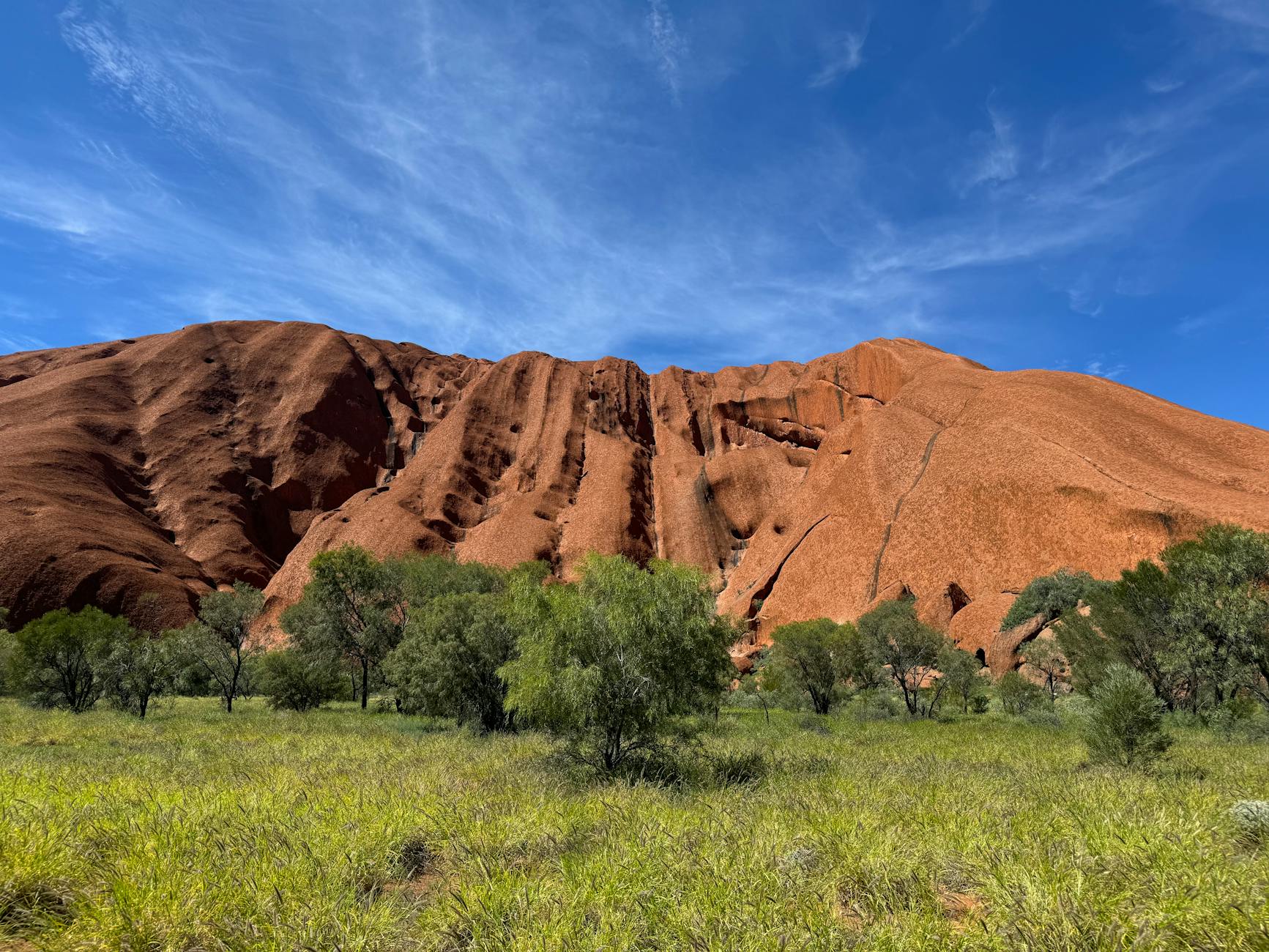
The Mala & Kuniya Walk
With only the afternoon in hand after the connecting flight, walk a short signed section of the base — the Mala Walk to Kantju Gorge or the Kuniya Walk to the Mutitjulu waterhole and rock art — rather than the full loop; climbing the rock is permanently closed out of respect for its Anangu owners.
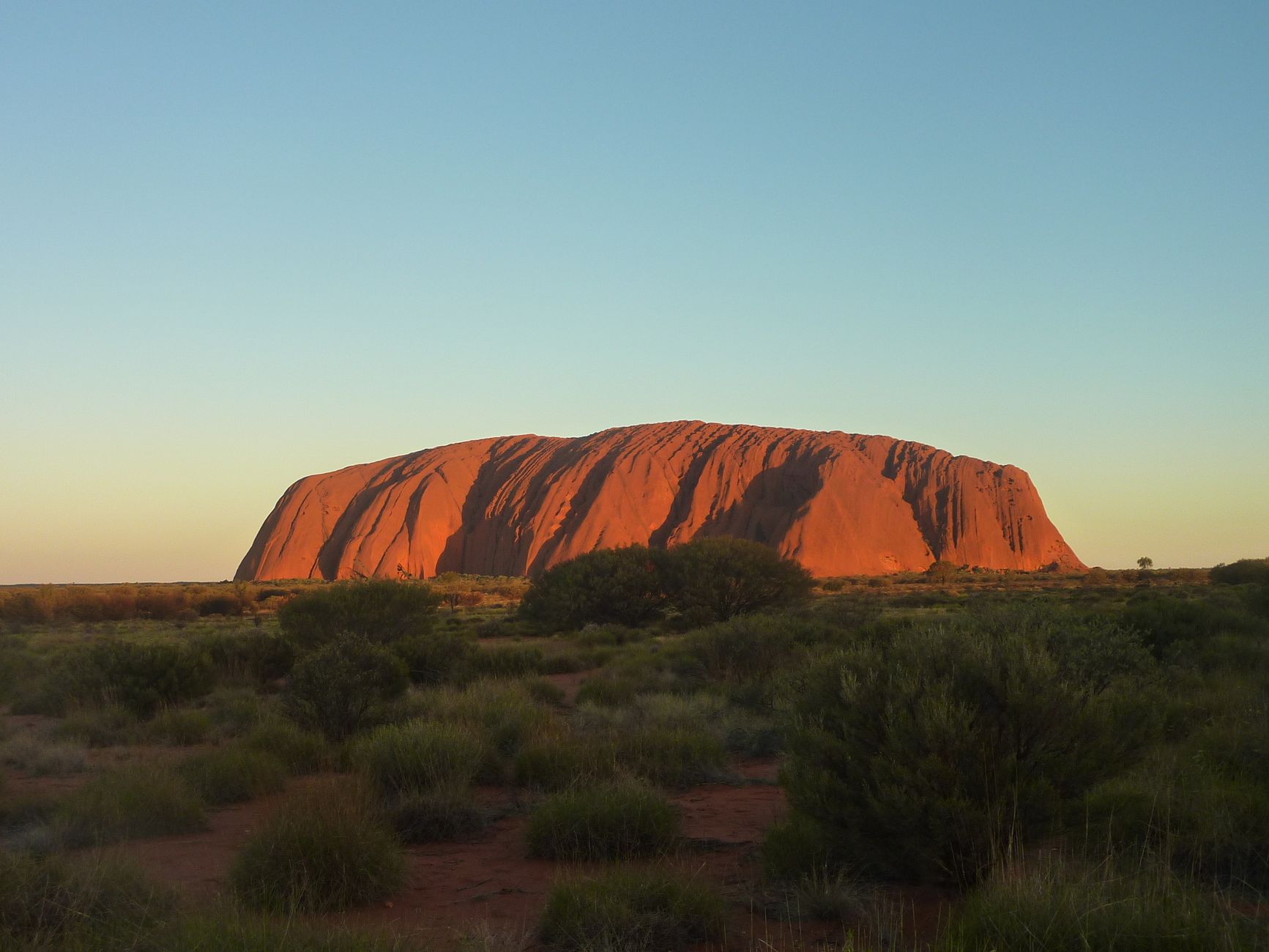
Uluru at sunset
Use the ticketed Uluru-Kata Tjuta National Park pass and watch the rock burn through red and orange from the sunset viewing area as the light fades, carrying water and sun protection.
Day 9: Kata Tjuta & the Field of Light
Base: Yulara — the full Uluru base walk at first light, then Kata Tjuta, and the Field of Light after dark

The full Uluru base walk
Set out at first light for the full 10 km loop on the free sealed and sandy tracks around the base of Uluru — roughly 3.5 to 4 hours past waterholes, rock art and ghost gums — finishing before the heat builds.
Kata Tjuta & the Valley of the Winds
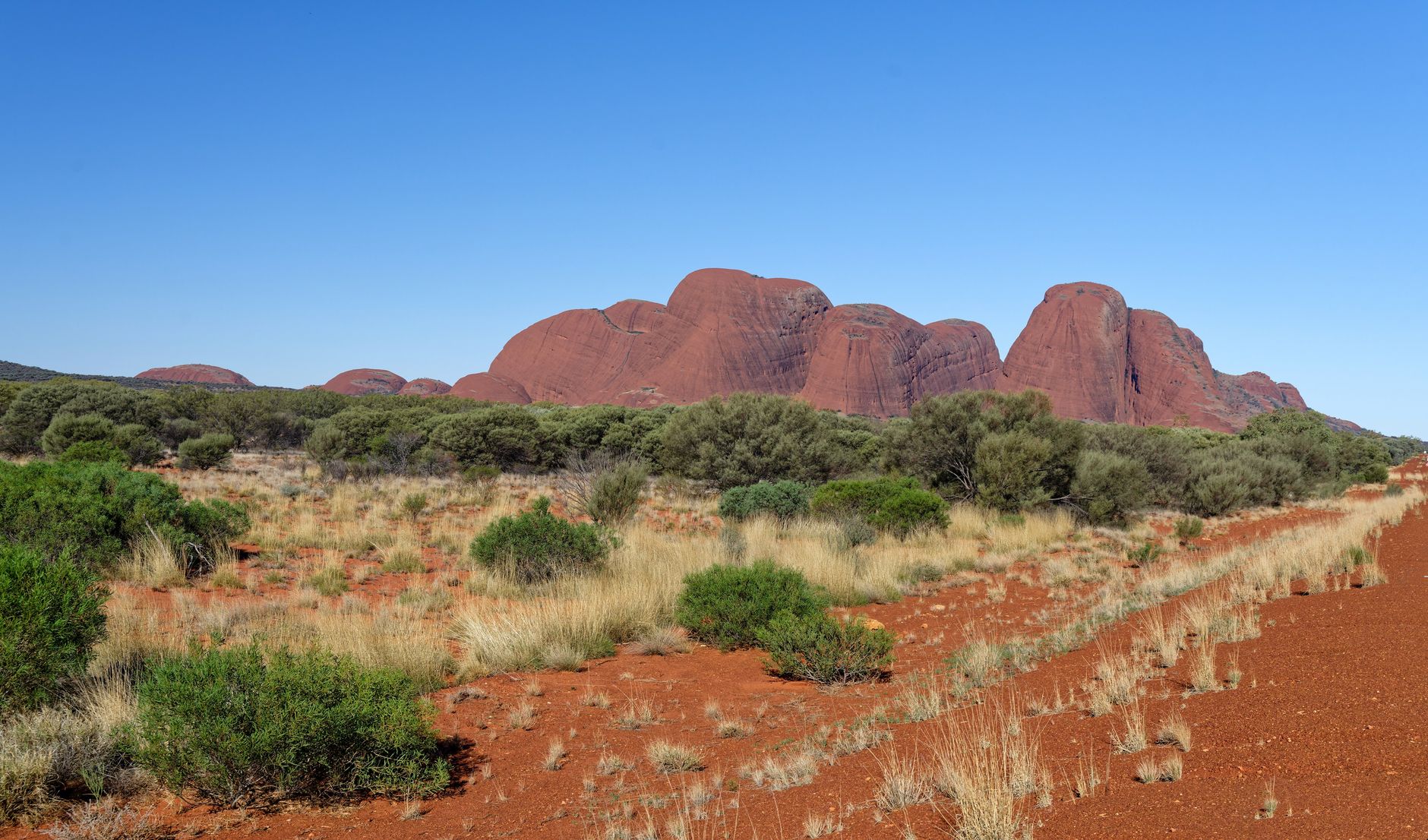
By mid-morning drive out to the great red domes of Kata Tjuta, the Olgas, and walk the free Valley of the Winds or shorter Walpa Gorge tracks inside the national park, turning back if the day turns hot.

The Field of Light
Visit Bruce Munro's ticketed after-dark installation of tens of thousands of glowing solar stems spreading across the desert within sight of Uluru.
Day 10: A last Red Centre morning & departure
A text-only final morning and transfer to Ayers Rock airport
A last outback sunrise
Catch a final desert sunrise over the spinifex and the distant rock, then pack up at the resort before your transfer.
Transfer to Ayers Rock airport & fly out
Head to Ayers Rock (AYQ) for your onward flight, usually back via Sydney, Melbourne or Alice Springs, to connect home.
Sydney to the Great Barrier Reef and the Red Centre
Nine visual-day anchors trace the route from Sydney and the Blue Mountains to Cairns, the outer reef and Kuranda, then on to Uluru and Kata Tjuta; the final departure day is text-only.
- 1
Sydney — Royal Botanic Garden / Circular Quay
Sydney Harbour and the Royal Botanic Garden
- 2
Sydney — Opera House
The Opera House and Harbour Bridge
- 3
Sydney — Taronga Zoo
Australian wildlife and the eastern beaches
- 4
Blue Mountains — Three Sisters
Scenic World and the Three Sisters
- 5
Cairns — Esplanade lagoon
The tropical waterfront around Cairns
- 6
Great Barrier Reef — outer reef off Cairns
A snorkel and dive cruise over the outer reef
- 7
Kuranda — Scenic Railway
The rainforest railway toward Kuranda
- 8
Uluru — sunset
Uluru's base and sunset viewing area
- 9
Kata Tjuta — the Olgas
Kata Tjuta and the Field of Light
Frequently Asked Questions
How many days do you need for Australia?
Ten days is enough to link Sydney, the Great Barrier Reef around Cairns and the Red Centre at Uluru without rushing, using two internal flights; two or three weeks lets you add Melbourne, the Whitsundays or Tasmania.
What is the best time to visit these three regions?
The shoulder months, roughly September–November and March–May, are mild in Sydney and fall inside the dry, stinger-free winter up north; the Red Centre is most comfortable outside the peak summer heat.
How do I get between Sydney, Cairns and Uluru?
Use two internal flights, Sydney to Cairns and Cairns to Ayers Rock/Uluru; an open-jaw ticket into Sydney and out of Ayers Rock avoids backtracking.
Do I need a visa for Australia?
Most visitors need a visa or an Electronic Travel Authority, or ETA, arranged online before travelling; check the Department of Home Affairs for your nationality.
Is it safe to swim on the Great Barrier Reef?
Yes, with care: swim between the flags, wear a stinger suit and follow local advice during marine stinger season, roughly November–May, go with a licensed operator, and never touch coral or marine life.
Can you climb Uluru?
No. The climb is permanently closed out of respect for the Anangu traditional owners; instead walk the base track, explore Kata Tjuta, and watch the rock change colour at sunrise and sunset.
How hot does the Red Centre get, and how do I cope?
It can be very hot and the sun is intense, so start walks at dawn, carry and drink plenty of water, wear a hat and sunscreen, and be ready for walks to close in extreme heat.
Is the Great Barrier Reef cruise or the Kuranda railway worth booking ahead?
Yes. Reef cruises, the Kuranda Scenic Railway and the Field of Light sell out in peak season, so reserve them before you arrive.
Is Australia expensive to travel?
It is one of the higher-cost destinations in this set; factor in the internal flights, day cruises and tours, and confirm current prices on the official sites rather than assuming fixed figures.
Make this plan your own
Copy this plan into your account in one click — keep the original for reference and edit your copy any way you like.
Sign in once to save and edit your own copy.